 Debby Wijaya
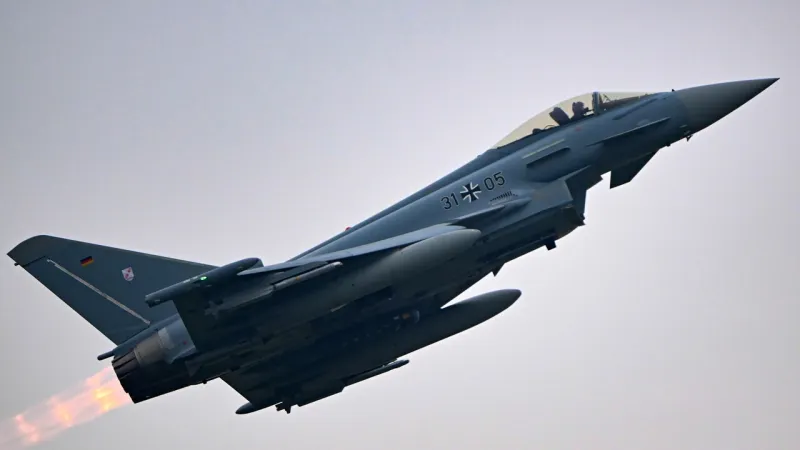
VILNIUS, Lithuania – Italian fighter jets, operating under NATO air policing mandates, recently scrambled over Lithuanian airspace after an unidentified drone triggered an alert, only for Ukrainian authorities to later confirm the unmanned aerial vehicle was theirs, apologizing and attributing its deviation to Russian actions. This incident, which unfolded last week, follows a similar occurrence in neighboring Romania just days prior, underscoring persistent and escalating tensions in the regions bordering the ongoing conflict.
The rapid deployment of the Italian jets, integral to NATO’s Enhanced Air Policing mission, demonstrated the alliance's commitment to safeguarding the integrity of its member states’ airspace. Air traffic controllers initially detected the unidentified object, prompting the immediate launch of interceptor aircraft in accordance with standard defensive protocols.
Kyiv promptly issued an apology through official channels, acknowledging the drone’s identity. Ukrainian defense officials stated that preliminary investigations indicated the drone had been diverted from its intended flight path due to sophisticated electronic warfare interference originating from Russian forces. This explanation highlights the complex challenges nations face in maintaining aerial control near active conflict zones.
A NATO spokesperson, commenting on the incident, reiterated the alliance's firm stance. "We react to threats to our members’ security and sovereignty with immediate and decisive action," the spokesperson affirmed, emphasizing the vigilance required to protect NATO territory against any incursions, whether intentional or accidental.
The episode in Lithuania parallels a recent event where a Ukrainian drone similarly strayed into Romanian airspace. That incident also sparked a defensive response from NATO allies, raising concerns about the potential for miscalculation or escalation given the volatility on Europe's eastern flank.
These repeated incursions, even if unintentional, serve as stark reminders of the perils posed by the ongoing war in Ukraine. The proximity of Russian military operations and their extensive use of electronic jamming capabilities create a complex and often unpredictable aerial environment for surrounding nations.
NATO’s Baltic Air Policing mission, a long-standing collective defense measure, sees various allied nations contributing fighter aircraft to patrol the skies over Estonia, Latvia, and Lithuania. These missions are crucial for detecting and intercepting unauthorized flights, ensuring the security of member states that lack their own robust air defense capabilities.
The incident underscores the urgent need for enhanced coordination and de-escalation mechanisms between Ukraine and NATO, particularly concerning military assets operating near shared borders. Clear communication protocols are vital to prevent inadvertent confrontations.
Experts in aviation security note that advanced electronic warfare systems can effectively hijack or disrupt the navigation systems of drones, forcing them off course. This alleged Russian interference, if confirmed, represents a significant and deliberate act that could complicate efforts to ensure airspace safety.
The Ukrainian military faces an ongoing struggle against Russian electronic warfare tactics, which frequently target their drones, communications, and other vital equipment. This has necessitated continuous innovation and adaptation on the part of Ukrainian forces, though incidents like the one in Lithuania suggest the struggle persists. For more on Ukraine’s defensive capabilities, see Kyiv Relief: Zelensky Confirms US Intelligence Aid Resumes for Missile Defense.
Such aerial events not only trigger immediate defensive reactions but also have broader diplomatic ramifications. They test the boundaries of international airspace norms and demand accountability from all parties involved to prevent future occurrences.
Lithuanian officials expressed concern over the airspace breach, even with the subsequent clarification. The nation, a frontline NATO member, remains particularly sensitive to any potential threats emanating from the conflict zone to its east.
The alliance continues to adapt its surveillance and response strategies to counter the evolving nature of aerial threats, including the proliferation of various types of drones. This adaptation includes integrating new technologies and refining operational procedures.
As the conflict in Ukraine continues, the imperative for robust air defense and meticulous airspace management across Europe remains paramount. The recent Lithuanian incident, while resolved, serves as a poignant illustration of the constant vigilance required.
The international community watches closely, emphasizing the need for all parties to respect sovereign airspace and adhere to international aviation laws, especially in times of heightened geopolitical tension. NATO officials indicated ongoing discussions with both Ukrainian and Russian counterparts regarding these incidents.