 Dodi Irawan
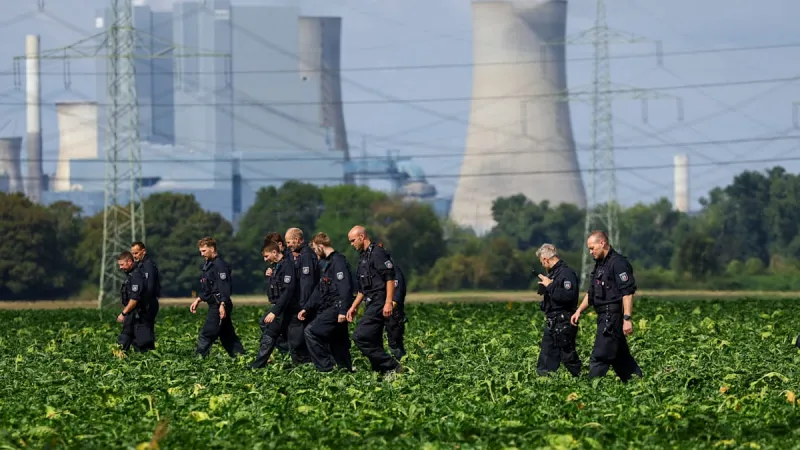
Recent attacks on substations in Brandenburg and North Rhine-Westphalia have cast a stark light on the profound vulnerability of Germany's power supply infrastructure. Explosives expert Wolfgang Spyra recently explained the alarming simplicity with which perpetrators could execute such assaults, potentially employing pyrotechnics to sever vital connections and cause widespread disruption.
Spyra detailed a rudimentary yet effective technique: using pyrotechnics as a propellant to launch a copper wire over a transfer line. This method bypasses sophisticated security measures, creating a short circuit that can disable critical components.
The expert emphasized that the technical barrier for entry into such sabotage is remarkably low. This ease of execution amplifies the threat, suggesting that even individuals or small groups without state-level resources could orchestrate significant disruptions.
Such targeted attacks, while appearing localized, can trigger cascading failures across interconnected power grids, leading to widespread blackouts that affect millions of citizens and critical industries. The goal extends beyond mere local disruption to systemic destabilization.
These incidents resonate within a growing international landscape of hybrid warfare, where adversaries combine conventional, cyber, and clandestine tactics to undermine national security. Germany has recently accused Russia of hybrid attacks and orchestrating a drone plot in Leipzig, heightening concerns about critical infrastructure.
A prolonged disruption to Germany's power grid could inflict severe economic damage, paralyzing industrial production, financial markets, and essential services. This economic fallout could have far-reaching implications for Europe's leading economy.
German authorities have acknowledged the escalating threats to critical infrastructure, particularly in light of geopolitical tensions. Discussions are underway to bolster protective measures, including enhanced physical security and early warning systems.
While the methods may evolve, the concept of targeting infrastructure is not new. However, the current geopolitical climate and the accessibility of disruptive technologies present a heightened and more complex challenge for national security apparatuses.
The vulnerability of national power grids necessitates international cooperation to share intelligence, best practices, and develop robust defenses against state and non-state actors. The European Union has also been prompted by hybrid attacks to rethink its stance on certain assets.
While physical attacks like those discussed are a primary concern, cybersecurity remains an inseparable component of power grid defense. A synchronized physical and cyber assault could compound the damage and recovery efforts exponentially.
Experts advocate for a multi-layered defense strategy, encompassing not only physical hardening of substations but also robust intelligence gathering, rapid response capabilities, and public awareness campaigns to prepare for potential outages.
Wolfgang Spyra, a recognized authority in explosives and sabotage techniques, lends significant weight to these warnings. His insights provide a critical understanding of the operational simplicity behind potentially devastating acts.
The recurring incidents and expert assessments underscore an urgent imperative for Germany to fortify its critical infrastructure against both unsophisticated and state-sponsored threats, safeguarding its citizens and economic stability.