 Stefani Rindus
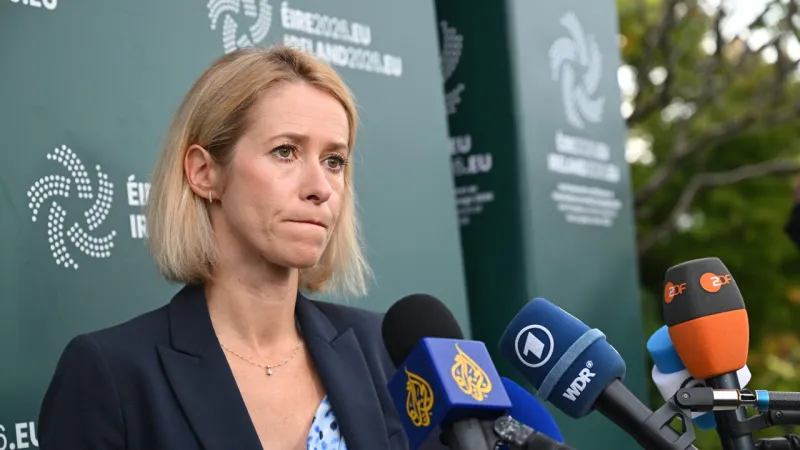
BRUSSELS – European Union leaders are intensifying their response to a wave of Russian hybrid attacks, prompting crucial discussions on leveraging frozen Russian assets and bolstering military support for Ukraine. Estonian Prime Minister Kaja Kallas declared recent aggressive actions a “wake-up call” for the continent, while Italian Foreign Minister Antonio Tajani acknowledged the ongoing evaluation of using Russian assets, despite significant juridical complexities.
The alarm comes amidst a backdrop of heightened tensions, including incidents like the alleged drone plot in Leipzig, Germany, which has been directly attributed to Russia. In response, the EU High Representative confirmed that Russia’s ambassador had been summoned in multiple European capitals, signaling a unified diplomatic rebuke.
Kallas emphasized that the diverse nature of these hybrid threats, encompassing cyberattacks, disinformation campaigns, and sabotage attempts, demands a more robust and coordinated European defense strategy. “These are not isolated incidents but part of a systematic pattern designed to destabilize our societies,” she stated, urging immediate and decisive action.
Tajani outlined the delicate balance involved in seizing frozen Russian state assets, which amount to billions of euros. While the political will to direct these funds towards Ukraine’s reconstruction and defense is strong, the legal framework presents considerable hurdles. “We are evaluating the use of Russian assets but possible legal problems exist,” Tajani explained, highlighting the need to navigate international law meticulously to avoid setting dangerous precedents.
This debate follows a period where Tajani has previously voiced concerns about potential Russian interference in Italian elections, underscoring a broader apprehension about Moscow’s expansive influence operations across Europe.
The recent events in Leipzig have particularly galvanized EU member states. Germany accused Russia of the Leipzig drone plot, a move that prompted strong condemnation from allies and highlighted the immediate security challenges facing the bloc. This direct attribution marks a significant escalation in diplomatic rhetoric and concrete action.
Furthermore, the summoning of Russian ambassadors in capitals like Berlin and other key European cities underscores the collective frustration and resolve within the EU. European leaders and NATO have vowed a strong response to such provocations, reaffirming their commitment to mutual defense and deterrence.
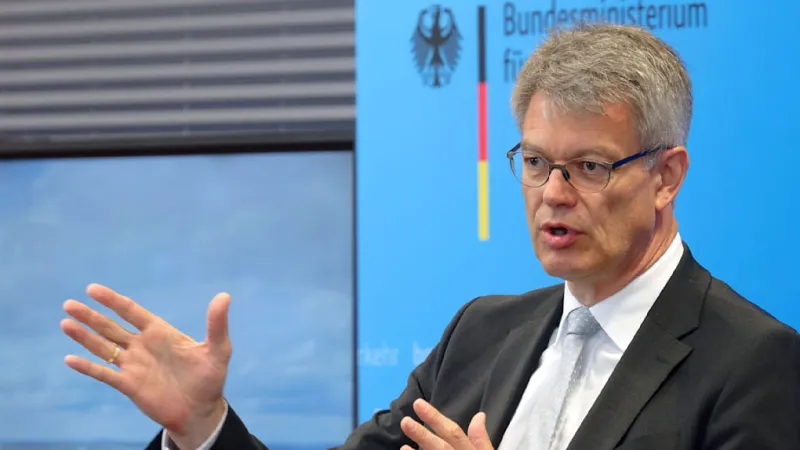
German lawmaker Johann Wadephul also weighed in, advocating for increased military aid to Kyiv. He noted that several EU countries possess air interceptors that could be transferred to Ukraine, urging a collaborative discussion among member states. “Other EU nations have interceptors to give to Kyiv; let us talk about how to make this happen,” Wadephul stated, stressing the urgency of bolstering Ukraine's air defense capabilities.
For Ukraine, interceptors are critical in repelling persistent aerial assaults by Russian drones and missiles, which continue to target civilian infrastructure and military positions. Enhanced air defense systems would significantly reduce casualties and protect vital Ukrainian assets, enabling the country to better withstand ongoing aggression.
Navigating the legal intricacies of asset seizure involves meticulous legal analysis and potentially new international agreements to circumvent challenges related to sovereign immunity and property rights. Experts caution that any misstep could invite protracted legal battles and undermine the principle of rule of law.
European leaders are now confronted with the twin challenges of responding decisively to immediate security threats posed by hybrid warfare and devising sustainable long-term strategies to support Ukraine. The consensus building around these complex issues will define the trajectory of EU-Russia relations for years to come.
These discussions also reflect a growing awareness across the EU that traditional military defense must be complemented by robust cybersecurity measures, advanced intelligence sharing, and concerted efforts to combat disinformation. The integration of these strategies is deemed essential for future European resilience against evolving threats.