 Demian Sahputra
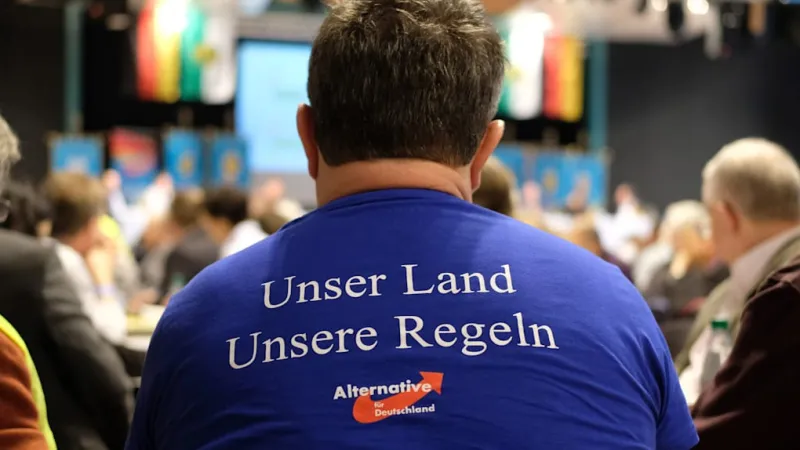
Sociologist Steffen Mau contends that the Alternative for Germany (AfD) has achieved deep-seated normalization and everyday integration throughout East Germany, a phenomenon he attributes to a prevailing 'Unmutskultur' – a culture of discontent. This widespread entrenchment explains why the right-wing populist party has not merely gained a foothold but has become a permanent fixture in the region's political landscape, showing no signs of diminishing influence.
Mau, a prominent expert on societal transformations, describes this Unmutskultur as a pervasive sentiment of dissatisfaction and frustration among the populace. This feeling stems from a complex interplay of historical grievances, perceived economic disparities, and a sense of being overlooked by the federal government and mainstream political establishments.
The roots of this widespread discontent are often traced back to the post-reunification era. While the promise of prosperity was significant, many East Germans experienced job losses, economic restructuring, and a perceived cultural devaluation. These factors fostered a long-term sense of marginalization that continues to resonate profoundly today, shaping the region's political leanings.
The AfD has masterfully capitalized on this underlying societal mood. The party effectively positions itself as the unequivocal voice of the disaffected, offering simplistic solutions to complex problems and validating the grievances of those who feel unheard by traditional parties.
What distinguishes the AfD's profound success in East Germany is not just its electoral gains, but its successful normalization. The party's presence has permeated local discourse, community events, and even family conversations, making its ideology less alien and more a commonplace part of daily life for many residents.
Mau argues that the AfD's support in the East extends beyond a mere protest vote against the establishment. It represents a deeper identification with the party's narrative and a genuine belief in its alternative vision for Germany, particularly concerning immigration, cultural identity, and economic policy.
This 'everyday anchoring' means the AfD has built a robust network of local support structures, from town councilors to grassroots activists. These networks provide a consistent presence and actively reinforce the party's message, solidifying its position within communities and fostering enduring loyalty.
While other parties, particularly those on the left, grapple with dwindling support and internal divisions, the AfD has managed to consolidate its base. For instance, the challenges highlighted by the Linke Chief's Provocative Rhetoric Imperils German Left's Standing underscore the shifting political allegiances within the country.
The sociologist explicitly states that the AfD will not simply shrink. This projection is based on the enduring nature of the Unmutskultur and the party's strategic embedding within East German society. External political pressure or isolated controversies are unlikely to dislodge its firmly established support base.
The sustained strength of the AfD in the East presents a significant challenge to Germany's broader political landscape. It necessitates a critical rethinking of engagement strategies by mainstream parties and a deeper, nuanced understanding of the unique socio-political dynamics at play in the former East German states.
As Germany moves further into 2026, the implications of this political entrenchment for national elections and policy-making will only become more pronounced. The AfD's steadfast presence in the East could influence coalition formations and legislative agendas for years to come, profoundly shaping the nation's future direction.