 Dodi Irawan
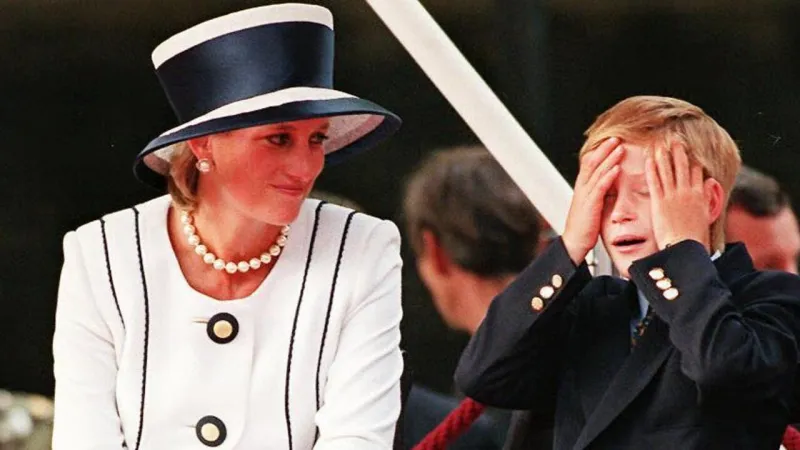
Montecito, California – Prince Harry, Duke of Sussex, during a recent candid podcast appearance, unequivocally declared his commitment to emulating his late mother Princess Diana's affectionate parenting model for his own children, Archie and Lilibet. He asserted that children "must be hugged," thereby distinguishing his approach from the more formal traditions often associated with the British royal family.
This statement by the Duke of Sussex underscores a foundational belief in the power of physical warmth and emotional connection, a philosophy he attributes directly to Diana, Princess of Wales. His remarks offer a poignant glimpse into the personal values guiding the upbringing of his two young children since his relocation to the United States.
Princess Diana was widely celebrated for her pioneering hands-on approach to motherhood, which frequently challenged the staid protocols of the monarchy. She was often photographed embracing her sons in public, kneeling to speak to them at eye-level, and openly demonstrating maternal affection in a way that resonated deeply with the public.
For Prince Harry, growing up within the royal institution meant navigating a world where emotional expression was often subdued in favor of duty and decorum. His consistent public commentary over the years has hinted at a desire to break this cycle, fostering an environment where his children can thrive with open emotional support.
The Duke and Duchess of Sussex, Meghan Markle, have frequently articulated their aspiration to provide Archie and Lilibet with a relatively normal upbringing, shielded from the relentless scrutiny and rigid expectations of royal life. This commitment to a distinct Prince Harry parenting style became a significant factor in their decision to step back from senior royal duties in 2020.
Their subsequent move to Montecito, California, has afforded them the privacy and autonomy to implement this vision. Away from the immediate glare of the British tabloids and the strictures of palace life, the couple has cultivated a family environment prioritizing emotional accessibility and personal freedom.
Diana's legacy of warmth and approachability endeared her to millions globally. Her ability to connect with people, particularly children, through simple gestures like a hug or a comforting touch, revolutionized public perception of the monarchy's more human side. Harry's adoption of this specific trait reinforces her enduring influence.
Historically, royal children experienced a more formal upbringing, often overseen by nannies and governesses, with interactions with parents sometimes being scheduled and somewhat reserved. While modern royals have certainly become more hands-on, Harry's explicit vocalization of a choice to prioritize Diana's method represents a significant ideological stance.
This deliberate choice by Prince Harry to embrace an emotionally open and physically affectionate Prince Harry parenting style ensures that Archie Harrison Mountbatten-Windsor and Lilibet Diana Mountbatten-Windsor will experience a childhood markedly different from that of previous generations of royals.
The Duke's remarks contribute to the ongoing global discourse surrounding modern parenting and the evolving dynamics within royal families worldwide. His willingness to discuss such personal convictions openly maintains a public fascination with the Sussex family's unique trajectory.
Harry has long been an advocate for mental health awareness, frequently speaking about the importance of emotional processing and supportive relationships. His latest statement aligns seamlessly with these broader convictions, emphasizing the crucial role of parental affection in a child's psychological development.
Reiterating the core message, Harry's assertion that "children must be hugged" encapsulates a powerful and universally understood principle of nurturing. This simple yet profound statement serves as the bedrock of the Prince Harry parenting style he is actively cultivating.
The Duke and Duchess continually face intense media scrutiny regarding their life choices and how they raise their family. However, this unwavering commitment to Diana's model suggests a resilience in their convictions, prioritizing their children's emotional well-being above external expectations.
Their actions and statements continue to shape public perception, not only of their own family unit but also of the broader institution from which they departed. Harry's advocacy for Diana's approach provides a powerful narrative counterpoint to traditional royal narratives of duty and reserve.
This deliberate and public embrace of Diana's parenting philosophy reinforces the lasting impact of the Princess of Wales, whose progressive views on raising children continue to resonate through her sons. Prince Harry ensures that her spirit of warmth and connection lives on in the next generation.