Gabriella
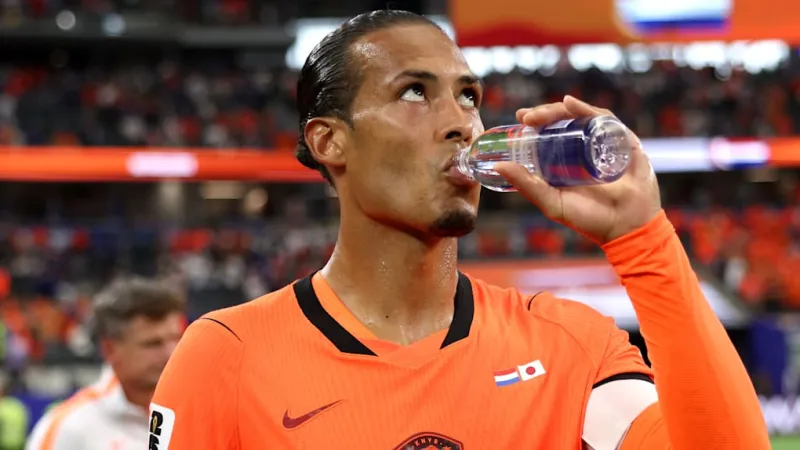
DOHA – Netherlands captain Virgil van Dijk has publicly condemned FIFAs mandatory hydration breaks during the ongoing World Cup, arguing the prescribed pauses offer no genuine benefit and are frequently exploited for ulterior motives. His pointed remarks cast a spotlight on a procedural element intended for player welfare, sparking debate among fans and pundits alike.
FIFA mandates a hydration break in each half of every World Cup match, a directive primarily implemented to mitigate the risks associated with high temperatures and demanding physical exertion. These stoppages, typically lasting between one and three minutes, allow players to rehydrate and receive quick instructions from coaching staff.
Van Dijk, a towering figure in international football, expressed his significant disapproval of the current protocol. He stated, “I cannot see the appeal in these procedures,” indicating a broader dissatisfaction with their implementation. His primary concern centers on the perception that teams and players are misusing the breaks.
The seasoned defender elaborated that these pauses often become de facto tactical timeouts, disrupting the natural rhythm of the game. Instead of purely rehydrating, teams are seen huddling, receiving extensive coaching instructions, or simply using the moment to break an opponents momentum. This alleged deviation from their intended purpose fuels Van Dijks critique.
Critics of the current system, aligning with Van Dijks perspective, suggest that such interruptions fragment the spectacle of football. The flow of a match, crucial for building tension and excitement, is repeatedly halted, potentially diminishing the overall viewing experience for millions worldwide.
Historically, breaks in football were primarily confined to halftime, substitutions, and injury stoppages. The introduction of mandatory hydration breaks reflects a modern emphasis on athlete safety and performance optimization, particularly in tournaments held in warmer climates. However, the balance between player welfare and game integrity remains a contentious issue.
While FIFA emphasizes player health as the paramount reason for these breaks, the perception of tactical exploitation raises questions about the effectiveness of current enforcement. Clearer guidelines or stricter monitoring during these pauses might be considered to ensure adherence to their original intent.
The debate surrounding World Cup hydration breaks echoes previous discussions about other rule modifications, such as VAR, which has itself drawn both praise and criticism for its impact on game flow. The article FIFA Clears VAR Official After Controversial World Cup Gesture Accusation highlights how officiating and rule interpretations frequently come under scrutiny during major tournaments.
Indeed, coaches might understandably view any opportunity to regroup and strategize as beneficial. The competitive nature of the World Cup compels teams to leverage every possible advantage, and if hydration breaks provide such an opening, it is arguably a natural consequence of the rule itself.
The question then becomes whether FIFA can refine the rule to maintain player safety without inadvertently creating tactical loopholes that diminish the games intrinsic dynamism. Adjustments could range from limiting direct coaching during breaks to implementing specific conditions under which they are activated.
Van Dijks candid assessment from a prominent player is unlikely to be an isolated sentiment. As the tournament progresses and the physical demands on athletes intensify, the utility and potential misuse of these mandatory stoppages will likely continue to be a talking point among participants and observers alike.
Ultimately, striking a harmonious balance between safeguarding player health in arduous conditions and preserving the uninterrupted thrill of world-class football presents an ongoing challenge for the sports governing body. The feedback from experienced professionals like Virgil van Dijk provides crucial input for future rule considerations.