Gabriella
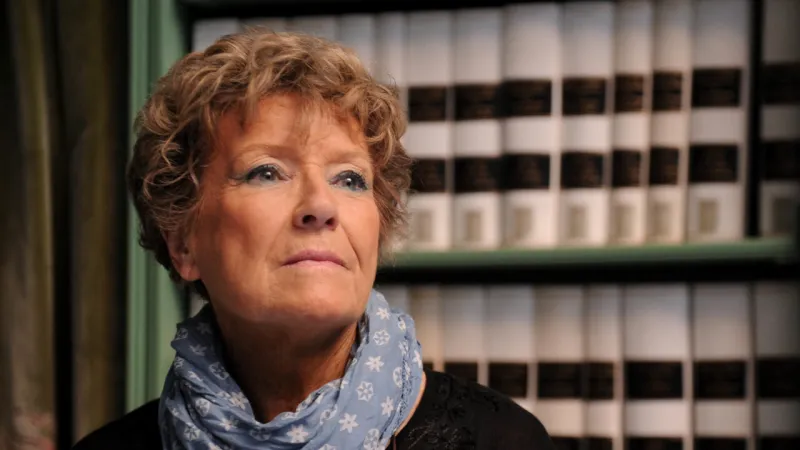
Rome On November 14, 2026, acclaimed Italian author Dacia Maraini will celebrate her 90th birthday with a special photographic exhibition, "Agro e Dolce. Una vita in parole e immagini" (Bitter and Sweet. A life in words and images), and a public meeting at the Casa dell'Architettura, honoring her profound literary contributions and enduring cultural impact.
This significant event offers a panoramic view into the life and work of one of Italys most distinguished literary figures. The exhibition, whose title itself hints at the complexities and dualities present in her extensive oeuvre, promises an intimate journey through Marainis personal archives, showcasing rare photographs and manuscripts.
Dacia Maraini, born in Fiesole in 1936, has cultivated a prolific career spanning over six decades. Her work as a novelist, poet, playwright, essayist, and journalist has consistently pushed boundaries, exploring themes of feminism, social inequality, and historical memory with unflinching honesty and poetic grace.
A relentless advocate for women’s rights and a keen observer of societal structures, Maraini became a crucial voice in the feminist movement of the 1960s and 1970s. Her narratives frequently center on marginalized female protagonists, giving voice to untold stories and challenging conventional patriarchal norms.
Among her most celebrated novels are "The Silent Duchess" (La lunga vita di Marianna Ucrìa), which won the Campiello Prize in 1990, and "Memoirs of a Female Thief" (Memorie di una ladra), which explores the life of a woman navigating the criminal underworld. These works exemplify her ability to weave compelling personal narratives with broader social commentary.
The exhibition "Agro e Dolce" is curated to reflect these thematic concerns, presenting visual metaphors for the interplay of hardship and beauty, personal struggle and collective triumph, that define Marainis artistic vision. Visitors can expect to witness the evolution of her thought and creative process through various stages of her long and impactful career.
Beyond the visual spectacle, the public meeting aspect of the celebration provides a rare opportunity for admirers and scholars to engage directly with the author. Such encounters are vital for understanding the depth of her intellectual engagement and the enduring relevance of her ideas in contemporary society.
The choice of the Casa dell'Architettura, a venue known for hosting significant cultural dialogues and artistic showcases, underscores the institutional recognition of Marainis standing. It provides a fitting backdrop for an event that celebrates both intellectual rigor and artistic expression.
Marainis intellectual circle profoundly influenced her formative years and subsequent work. Her close relationships with literary giants such as Alberto Moravia, Elsa Morante, and Pier Paolo Pasolini shaped her perspectives, fostering an environment of robust intellectual exchange and artistic collaboration that distinguished the Italian cultural scene of her time.
Her contributions extend beyond literature into film, having written screenplays and directed her own films, further cementing her multidisciplinary approach to storytelling. This versatility highlights her commitment to exploring human experience through diverse artistic mediums.
Even as she reaches her ninth decade, Dacia Maraini remains an active and vibrant voice in Italian letters, continuing to publish new works and participate in public discourse. Her critical insights into politics, society, and the human condition remain sharp and pertinent.
This dual celebration—a retrospective exhibition and an interactive forum—serves not only as a homage to Dacia Marainis extraordinary life but also as an affirmation of the enduring power of literature to reflect, question, and ultimately shape our understanding of the world. Her legacy resonates deeply, inspiring new generations of writers and thinkers.