 Stefani Rindus
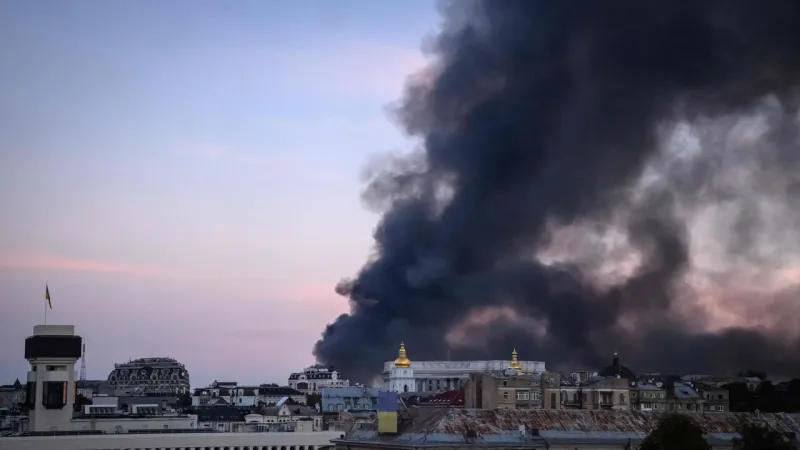
Renewed aerial bombardments have struck the Ukrainian capital, Kyiv, following a three-day period of relative calm, while simultaneously, Ukrainian unmanned aerial vehicles (UAVs) targeted the Russian city of Saratov, causing damage to civilian infrastructure. This dual escalation signifies a perilous intensification of the protracted conflict, shattering the recent lull in hostilities that had offered a fleeting respite.
Air raid sirens blared across Kyiv in the early morning hours, signaling the arrival of an inbound Russian attack. Residents sought shelter as multiple explosions rocked various districts, primarily concentrating on the citys peripheral areas. The sudden resurgence of large-scale strikes has deeply rattled the populace, which had just begun to experience a fragile sense of security.
Initial reports from Kyiv indicate that several buildings in the citys outskirts sustained direct hits or damage from falling debris. Emergency services swiftly mobilized to assess the destruction and provide assistance, though the full extent of casualties or structural impairment remains under ongoing evaluation. The psychological toll on citizens enduring yet another wave of attacks is profound.
Concurrently, inside Russian territory, Ukrainian drones executed strikes against targets in Saratov, a city with significant industrial and military facilities. Local authorities confirmed that these attacks resulted in damage to civilian infrastructure, although specific details regarding the nature and scope of the affected facilities were not immediately disclosed. The use of drones deep within Russian borders underscores Ukraines capacity for retaliatory action.
The cessation of the three-day truce marks a critical juncture in the conflict. Experts suggest that such pauses are often tactical, allowing both sides to regroup or to prepare for subsequent offensives. The precise reasons for the brief halt and its abrupt termination are subject to intense speculation among military analysts.
This synchronized escalation on both sides raises grave concerns about the immediate trajectory of the conflict. It suggests a continued commitment to military objectives despite international calls for de-escalation and diplomatic resolution. The tit-for-tat nature of these attacks risks drawing out the hostilities further.
Kyiv, as the nations capital, holds immense symbolic and strategic importance for Ukraine. Attacks on the city aim not only to degrade military capabilities but also to undermine civilian morale and disrupt governmental functions. Saratov, located on the Volga River, serves as a crucial economic and transportation hub in Russia, making it a viable target for disruption.
The international community has consistently condemned the targeting of civilian areas and infrastructure. These latest events are expected to draw renewed calls for restraint and adherence to international humanitarian law from global leaders and organizations. The human cost of this sustained conflict continues to mount with each successive strike.
Amidst these renewed hostilities, the persistent efforts towards de-escalation remain crucial. Earlier reports detailed substantial progress after Moscow, Kyiv diplomatic visits, highlighting the fragility of any peace initiatives and the arduous path to lasting resolution.
The humanitarian impact on affected populations remains a primary concern. Displaced persons, damage to critical services, and the constant threat of violence continue to plague millions. Aid organizations reiterate their calls for unimpeded access to provide essential relief to those most vulnerable on both sides of the front lines.
Diplomatic channels, though strained, continue to function at various levels. The international community closely monitors developments, with high-stakes discussions frequently taking place. President Trump is scheduled to hold crucial talks with Putin and Zelensky, underscoring the global diplomatic engagement in this protracted conflict and the urgent need for a viable peace framework.
Military strategists will undoubtedly analyze the patterns and nature of these latest attacks to anticipate future moves. The use of different weapon systems and the targeting choices provide insights into the evolving capabilities and priorities of both Russian and Ukrainian forces. The focus remains on degrading enemy assets while projecting power.
Civilians in both nations endure the daily uncertainties and dangers of war. Their resilience is tested repeatedly as they adapt to air raid warnings, power outages, and the looming threat of further destruction. The necessity of protecting non-combatants is a constant, stark reminder to all parties involved.
Further international sanctions or military aid packages may be considered by allied nations in response to this escalation. The geopolitical ripple effects extend far beyond the immediate conflict zone, influencing global energy markets, food security, and international relations. The path forward remains fraught with peril and uncertainty.
The resumption of intense fighting underscores the deeply entrenched nature of the grievances between Russia and Ukraine. Achieving a sustainable peace will require monumental diplomatic efforts and a fundamental shift in political will from all key players, as the cycle of violence continues its devastating course.