 Angel Doris

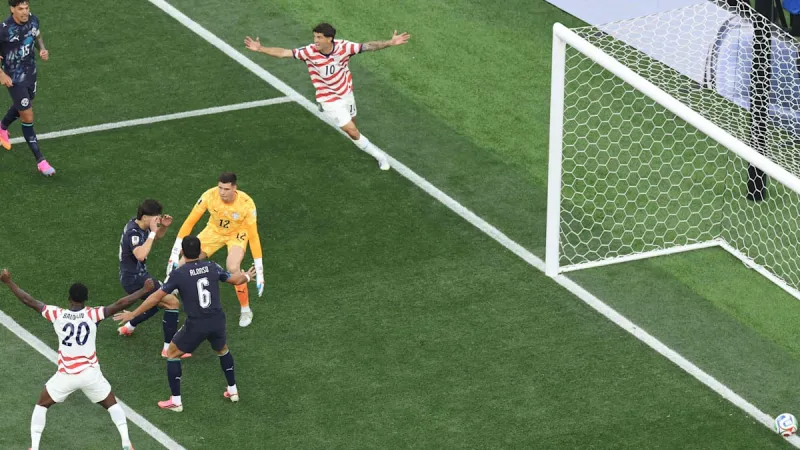
The global spotlight converges on Group F of the World Cup as Tunisia and Japan prepare for a direct encounter that holds significant implications for their progression in the tournament. Scheduled as a crucial fixture in the ongoing group stage, the match will determine which nation bolsters its chances of advancing to the knockout rounds, intensifying the already fierce competition.
For Tunisia, often seen as an underdog with the capacity to surprise, this match represents a golden opportunity to cement their presence on the world stage. Their squad, typically characterized by robust defense and quick counter-attacks, will look to leverage every opportunity against a technically proficient Japanese side. The Eagles of Carthage know that a positive result is paramount for their aspirations.
Japan, conversely, enters the fray with a reputation for disciplined play, intricate passing, and agile attackers. The Samurai Blue have consistently demonstrated their ability to compete with top-tier nations, often exceeding expectations through tactical acumen and collective effort. Their strategy will likely involve controlling possession and exploiting any defensive lapses from the Tunisian ranks.
The stakes in Group F could not be higher. With each team battling for a coveted spot in the knockout stages, every pass, tackle, and shot on goal will carry immense weight. A victory for either side could propel them significantly up the group standings, while a draw might keep their hopes alive but leave their fate dependent on other results. Conversely, a defeat could put one nation on the brink of early elimination, a harsh reality of World Cup football.
Fans across both nations are gripped by anticipation, hoping their respective teams can deliver a performance worthy of advancement. The roar of the crowd, whether in the stadium or from living rooms across continents, underscores the universal passion ignited by the World Cup. These moments define national sporting history.
Analysts anticipate a tactical battle in the midfield, where control of possession and the ability to dictate tempo will be crucial. Both coaching staffs will have meticulously prepared, scrutinizing opponents weaknesses and aiming to exploit them through calculated maneuvers and strategic substitutions. The opening minutes will be critical in setting the tone for the entire ninety minutes.
Tunisian defenders will need to be particularly vigilant against Japans nimble forwards, who are adept at finding pockets of space and delivering incisive passes. Meanwhile, Japans backline must brace for the physical presence and direct approach that Tunisian strikers often employ, especially on set pieces and aerial duels.
The broader context of the tournament adds another layer of drama. Results in other groups, such as the intense battles seen in Group E where Germany battled Ivory Coast for a crucial knockout spot, illustrate the fine margins separating success from early exit. Every point earned now could prove decisive later.
Both teams have a history of fighting to the final whistle in major tournaments, showcasing resilience and determination. For many players, this World Cup represents the pinnacle of their careers, driving them to perform at their absolute best under extraordinary pressure. Their individual performances could collectively shape the teams destiny.
As the match approaches, the air is thick with expectation. The outcome will not only impact Group F but also send ripples through the entire tournament, potentially altering the landscape of the knockout bracket. Regardless of the final score, the encounter between Tunisia and Japan promises to be a memorable chapter in this years World Cup narrative. Both teams are poised to leave everything on the pitch in pursuit of their World Cup dreams.