 Chris Robert
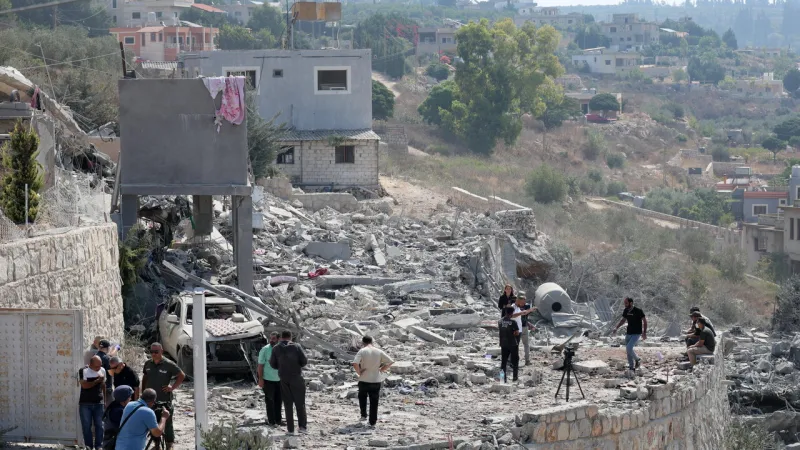
Beirut, Lebanon — Israeli Foreign Minister Israel Katz issued a stark warning on Tuesday, threatening "full force" strikes against Lebanon, a pronouncement made hours after a series of deadly Israeli raids on Monday claimed the lives of eleven individuals in the countrys southern regions. The escalating rhetoric underscores a dramatic intensification of cross-border hostilities that have gripped the volatile frontier.
The air assaults, which reportedly targeted several locations across southern Lebanon, inflicted significant casualties and considerable damage. Local authorities and emergency services confirmed the death toll, detailing the widespread devastation in communities already grappling with the protracted conflict.
Minister Katzs declaration, reportedly made during a security briefing, emphasized Israel's unwavering resolve to respond robustly to perceived threats emanating from Lebanese territory. He asserted, "We will strike with full force to ensure the security of our citizens and our borders," a statement widely interpreted as a precursor to broader military action.
The recent surge in violence is part of a larger pattern of exchanges that have plagued the Israeli-Lebanese border for months. These confrontations frequently involve rocket fire from Lebanon and immediate retaliatory Israeli airstrikes, creating a perpetual state of heightened alert for residents on both sides.
Just last week, several rockets were intercepted over northern Israel, prompting swift Israeli counter-responses. While no immediate claims of responsibility followed Mondays deadly raids, Israeli officials frequently attribute such launches to Iranian-backed groups operating within Lebanon.
International bodies and diplomatic missions have repeatedly expressed grave concern over the escalating tensions, calling for de-escalation and strict adherence to international law. Efforts by UN peacekeepers in the region have struggled to maintain a fragile cease-fire amid the frequent breaches of tranquility.
The humanitarian toll of these clashes continues to mount. Displacements, destruction of vital infrastructure, and profound psychological trauma are becoming increasingly prevalent among civilian populations in southern Lebanon, further exacerbating an already dire economic situation in the nation.
The Lebanese government, already contending with severe internal political and economic crises, has condemned the Israeli actions as a blatant violation of its sovereignty. Officials have called upon the international community to exert pressure on Israel to cease its military operations and respect national borders.
Analysts suggest that the rhetoric from Minister Katz could signal a fundamental shift towards a more aggressive Israeli posture, potentially broadening the scope of engagement beyond targeted retaliations. This development carries significant implications for regional stability, particularly given the wider geopolitical landscape of the Middle East.
The United States, under President Donald Trump's administration, has consistently affirmed Israel's right to self-defense while also advocating for a peaceful resolution to the conflict. US envoys have engaged in shuttle diplomacy, urging restraint from all parties involved, though tangible success remains elusive.
The deeply entrenched animosity between Israel and Lebanon has roots in decades of conflict, including full-scale wars that have shaped the region. The current sporadic clashes serve as a constant reminder of the unresolved issues and lingering grievances that perpetually fuel the cycle of violence.
With Minister Katzs latest threat, the immediate future appears fraught with increased peril. Residents of southern Lebanon remain on edge, fearing the prospect of more extensive and devastating military action, as both sides appear resolute in their positions and unwilling to yield.