 Dorry Archiles
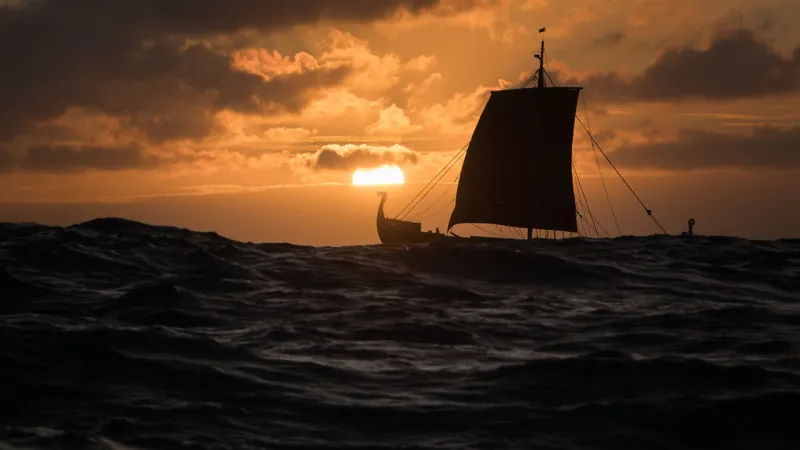
An ambitious expedition has commenced, meticulously tracing the legendary route of Ulysses across the Mediterranean Sea, from the sun-drenched shores of Sicily to the enigmatic coastlines of Morocco, through Turkey, and culminating in the ancient lands of the Peloponnese. This profound journey aims to reconcile the enduring myth of Homers Odyssey with tangible geographic realities, revisiting locations famously depicted in seminal cinematic adaptations of the epic.
For centuries, Homers Odyssey has captivated scholars and adventurers alike, prompting endless debate over the precise locations of Ulysses epic twenty-year voyage home to Ithaca. The current undertaking seeks to contribute to this discourse, offering a modern re-evaluation through on-site exploration and contemporary analytical methods.
The expedition is not merely a geographic exercise but a deep dive into cultural heritage, combining literary analysis with historical research and archaeological perspectives. It scrutinizes how a narrative crafted millennia ago continues to resonate, shaping our understanding of ancient navigation and societal structures.
Beginning in Sicily, the team is examining sites traditionally associated with the Cyclops Polyphemus and the seductive Sirens. The islands rugged coastline and volcanic landscapes offer a vivid backdrop to these harrowing tales, allowing researchers to compare ancient descriptions with present-day topography.
The inclusion of Morocco in the itinerary marks a particularly intriguing aspect of this Ulysses Journey. While not traditionally a central location in European interpretations of the Odyssey, its presence suggests an expanded view of ancient Mediterranean travel and potential North African influences on early Greek seafaring legends.
Further east, the journey extends to Turkey, a region rich with classical history and archaeological treasures. Explorers are investigating coastal areas and islands that might have served as temporary havens or perilous traps for Ulysses and his beleaguered crew, linking them to specific episodes from the epic poem.
The voyage then turns towards the heart of the Greek world, the Peloponnese. This segment focuses on regions with undeniable ties to ancient Greece, including possible approaches to Ulysses homeland, Ithaca. The team is assessing the feasibility of ancient maritime routes and the geographical descriptions within the poem against current cartographic data.
The influence of cinematic portrayals, such as the widely recognized 1968 miniseries Odissea, is also a critical component of the study. These films, while dramatic interpretations, often fixed certain locales in the popular imagination, and this expedition explores the factual basis, or lack thereof, for these cinematic choices.
Through this ambitious exploration, organizers hope to foster a renewed appreciation for the interdisciplinary nature of studying antiquity. It bridges the academic fields of classical literature, geography, archaeology, and even film studies, creating a holistic understanding of one of Western civilizations foundational texts.
The expedition highlights the persistent human desire to connect with foundational myths and understand their grounding in historical reality. Ulysses Journey serves as a powerful reminder of the human spirit of exploration and the timeless quest for home.
Findings from this extensive Mediterranean trek are anticipated to enrich scholarly databases and potentially reshape popular perceptions of Homers epic. The confluence of ancient texts and modern exploration promises a fresh perspective on the hero of Ithaca.
Ultimately, this contemporary odyssey underscores the enduring power of narrative and landscape. By physically traversing the paths imagined for Ulysses, the project aims to bridge the chasm between poetic invention and the tangible world, inviting participants and the public to experience the tale anew.