 Dorry Archiles
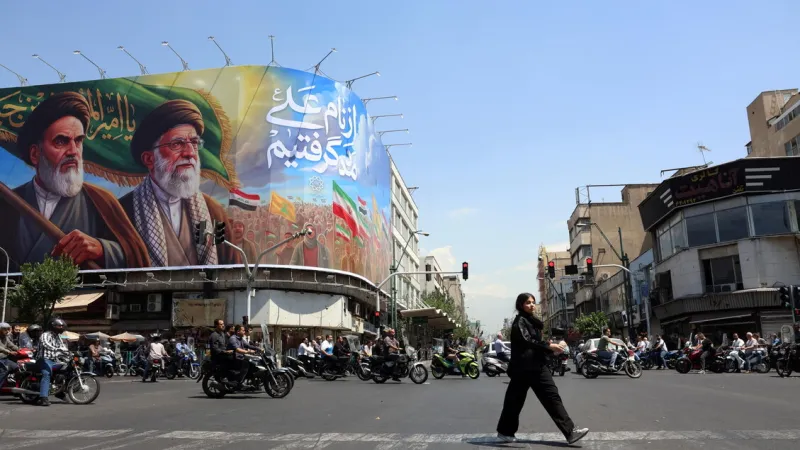
ISLAMABAD, Pakistan – A significant diplomatic breakthrough appears imminent as Pakistan Prime Minister Shehbaz Sharif announced today that a peace agreement between Iran and the United States is poised for digital signing within the next 24 hours. The pivotal accord, mediated by Pakistan, signals a potential de-escalation of long-standing tensions between the two nations, with technical-level discussions scheduled to follow next week.
Prime Minister Sharif conveyed this critical development through a post on X, the social media platform. He stated that Pakistan, acting as the mediating nation, is "preparing for the electronic signing of the peace agreement immediately thereafter, followed by technical-level talks next week." This swift digital execution underscores the urgency and commitment from all parties involved to formalize the terms swiftly.
Pakistan has played a crucial, albeit often quiet, role in facilitating dialogue between Tehran and Washington for several years. Its unique geopolitical position and historical ties to both nations have allowed it to serve as a vital conduit for discussions aimed at mitigating conflict and fostering pathways to reconciliation.
The potential finalization of an Iran-US peace agreement represents a momentous shift in regional dynamics. It could pave the way for reduced military posturing in critical waterways like the Strait of Hormuz, where tensions have historically run high, and open new avenues for diplomatic engagement.
This announcement follows earlier reports and speculation regarding ongoing negotiations, including instances where Iran-US peace text emerged amid Hormuz drone interceptions. Such developments have consistently highlighted the persistent efforts behind the scenes to bridge the diplomatic chasm.
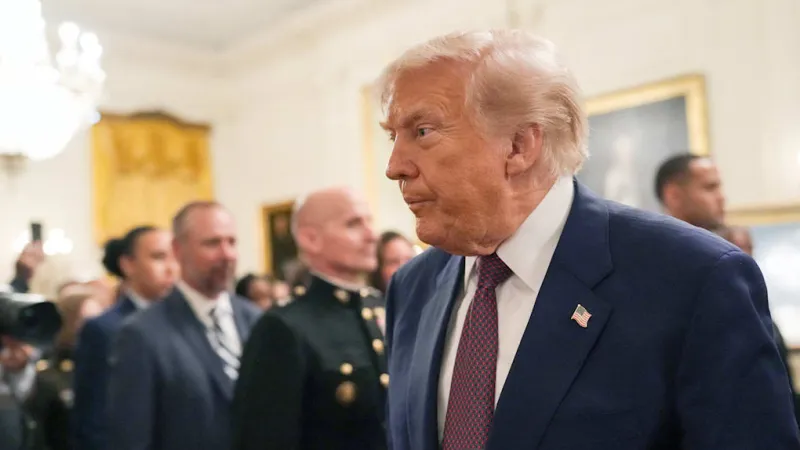
While specific details of President Donald Trump administration's engagement remain under wraps pending the official signing, President Trump has consistently advocated for diplomatic solutions that prioritize American interests and regional stability. This agreement, if formalized, would mark a significant foreign policy achievement for his administration.
For Iran, a formalized peace accord with the United States could alleviate the immense pressure from international sanctions and potentially lead to economic revitalization. Tehran has long sought pathways to secure its national interests while navigating complex geopolitical challenges.
Despite the optimism surrounding the digital signing, the path ahead will likely involve intricate technical discussions. These talks, scheduled for the week following the agreement's formalization, will delve into the granular details of implementation, verification, and compliance, which are often the most challenging aspects of international accords.
The wider Middle East region watches with cautious anticipation. A stable relationship between Iran and the United States could ripple positively across various ongoing conflicts and proxy battles, encouraging broader regional cooperation and dialogue.
The choice of a digital signing protocol for such a high-stakes international agreement reflects modern diplomatic practices and the need for secure, efficient, and auditable processes in the digital age. This method streamlines the formalization process, allowing for rapid conclusion once consensus is reached.
Relations between Iran and the United States have been fraught with hostility for decades, punctuated by periods of intense confrontation and minimal diplomatic engagement. This potential accord could represent the most significant détente since the 1979 Iranian Revolution.
Pakistan's successful mediation effort elevates its standing as a credible and influential diplomatic actor in complex international disputes. Its ability to facilitate such sensitive negotiations between two historically adversarial powers showcases its strategic importance.