 Angel Doris
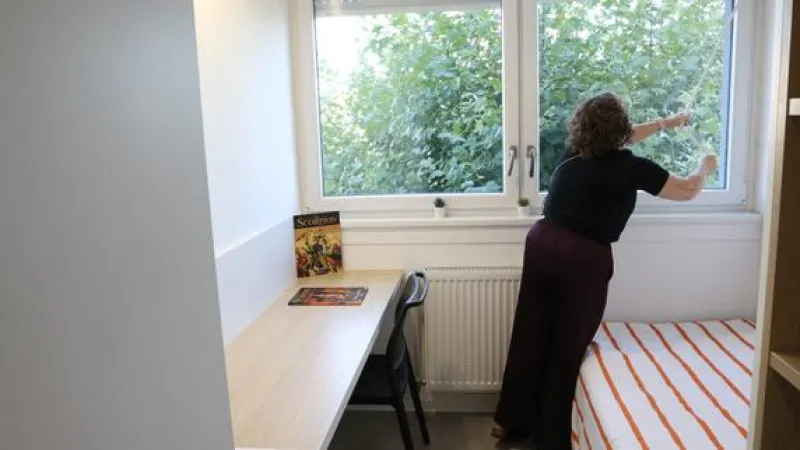
Global Facing an unprecedented surge in demand and a severe shortage of affordable dormitories, universities across the globe are increasingly forging partnerships with private housing platforms and landlords to accommodate their diverse student populations. This strategic shift, while aiming to alleviate acute shortages, frequently transfers significant additional costs onto students, raising concerns about accessibility and equity in higher education.
The ongoing student housing crisis represents a multifaceted challenge for academic institutions. Enrollment numbers continue to climb, often outstripping the capacity of traditional on-campus accommodations. This imbalance is compounded by rising construction costs and a historical underinvestment in public university infrastructure, leaving many institutions scrambling for solutions.
For decades, universities served as primary providers of student residences, offering subsidized or reasonably priced options that fostered a sense of community and supported academic success. However, that model has become unsustainable in many regions, pushing administrators to explore alternatives that leverage the private sector.
These collaborations typically involve universities referring students to approved private housing providers, or in some cases, entering into master lease agreements where private companies manage properties specifically for university students. The appeal for universities lies in offloading the financial burden and operational complexities associated with housing development and management.
Critics, however, point to the financial repercussions for students. Private housing often comes with higher monthly rents, additional service fees, utility charges, and sometimes non-refundable application fees not typically associated with university-managed dorms. These supplementary expenses can significantly inflate the overall cost of attending college.
Student advocacy groups have voiced strong objections, arguing that these partnerships prioritize institutional convenience over student welfare. "While universities claim these partnerships address the housing shortfall, they effectively privatize a fundamental need, making higher education less accessible for low-income students," stated Clara Mendes, spokesperson for the Global Student Alliance.
Mendes further elaborated, "The additional financial strain exacerbates existing concerns about student debt and could deter prospective students from pursuing higher education altogether, especially those from marginalized backgrounds." This sentiment resonates with a broader debate about the escalating cost of college attendance.
Conversely, proponents within university administrations assert that these private collaborations are a pragmatic necessity. "Without these partnerships, thousands of students would be left without a place to live, jeopardizing their academic pursuits," explained Dr. Evelyn Reed, Vice Chancellor for Student Affairs at a prominent European university. "Our priority is ensuring every student has safe, secure accommodation."
Private housing developers also defend their role, emphasizing market efficiency and specialized management. A representative from UniDwell, a leading international student housing platform, noted, "We provide modern, well-maintained facilities with amenities students expect, filling a critical gap that universities can no longer manage on their own. Our operational model allows for flexibility and scale."
The shift also reflects broader trends in public funding for higher education. Governments, facing competing budgetary demands, have reduced allocations for capital projects at universities, forcing institutions to seek external funding and partnerships for essential services like housing.
This reliance on private entities raises questions about regulatory oversight and consumer protection. Students entering into contracts with private landlords may find themselves with fewer protections compared to traditional university housing agreements, particularly concerning lease terms, dispute resolution, and facility standards.
Some policy analysts suggest that governments need to re-evaluate their investment in higher education infrastructure to alleviate the pressure on universities and students. Proactive urban planning and zoning reforms could also facilitate the development of more affordable student housing options.
The long-term implications of this trend are still unfolding. While private partnerships offer immediate relief for the acute student housing crisis, they risk creating a two-tiered system where housing quality and cost are dictated by market forces rather than educational accessibility principles.
Educational leaders are thus challenged to strike a delicate balance: securing adequate housing for their expanding student bodies while safeguarding affordability and ensuring equitable access to academic opportunities. The debate over who bears the true cost of this housing solution remains central.
This intricate issue highlights the evolving landscape of higher education, where institutions navigate increasing financial pressures and diversified student needs. The effectiveness of these private partnerships will ultimately be measured not just by bed count, but by their impact on student success and well-being.