 Demian Sahputra
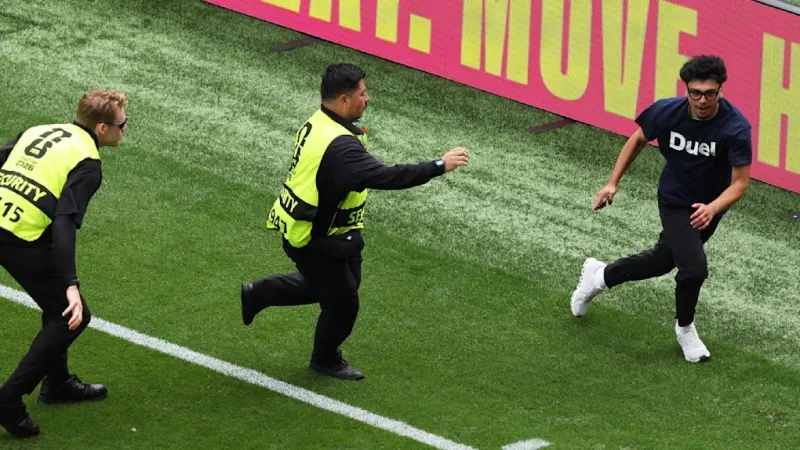
Doha, Qatar - Three pitch invaders abruptly halted the FIFA World Cup Round of 16 clash between Belgium and Senegal after approximately 30 minutes of play, prompting an unconventional and remarkably spontaneous tactical analysis by German broadcaster Magenta TV during the subsequent halftime interval. The incident, occurring on a global stage, saw the network's tactics expert, Jan Henkel, pivot from traditional game analysis to dissect the movements of both the disruptors and stadium security, delivering a moment of unexpected humor and insight.
The sudden incursion occurred midway through the first half of the highly anticipated knockout fixture. Play was immediately brought to a standstill as stadium security personnel responded to the breach, confronting the three individuals who had made their way onto the sacred turf.
Rather than solely dwelling on the interruption, Magenta TV, known for its comprehensive World Cup coverage, seized the moment to offer viewers an unprecedented perspective. Their decision exemplified a nimble approach to live broadcasting challenges, turning a security lapse into a unique journalistic opportunity.
During the halftime break, when pundits typically dissect formations and player performances, Jan Henkel, a respected figure in football tactical commentary, was tasked with a different kind of breakdown. He visually analyzed the actions of the stewards as they responded to the intrusion, alongside the movements of the pitch invaders, transforming a security incident into an unexpected lesson in crowd control dynamics.
Henkel's analysis was delivered with both technical insight and a touch of humor, distinguishing Magenta TV's coverage. The segment provided a lighthearted yet informative interlude, diverting attention from the typical halftime discussions and highlighting the broadcaster's capacity for innovation.
While the interruption was brief, such occurrences inevitably impact the rhythm of a high-stakes match, potentially influencing player concentration and momentum. The incident served as a stark reminder of the challenges inherent in securing major international sporting events.
The match itself was a crucial Round of 16 encounter, with both teams vying for a spot in the quarter-finals. Senegal had edged favored Belgium at halftime, setting the stage for a tense second half before the pitch invaders made their untimely appearance.
FIFA World Cup venues typically implement stringent security protocols to prevent unauthorized access. Despite these measures, instances of pitch intrusion, though rare, underscore the persistent challenges faced by organizers in maintaining absolute control over the playing field.
While disruptive, pitch invasions are not entirely uncommon in football, ranging from fan exuberance to politically motivated protests. This particular incident stood out due to the broadcaster's creative journalistic response rather than the act itself.
Magenta TV's unconventional response may signal a broader trend in sports broadcasting, where networks seek novel ways to engage audiences, even during unforeseen disruptions. The ability to improvise and turn a potential negative into a unique viewing experience could become a hallmark of future coverage.
The match between Belgium and Senegal was already a captivating contest, a stiff test for Belgium against Senegal in the World Cup knockout stages. The pitch invasion, while an anomaly, added an unforgettable, if unscheduled, chapter to the game's narrative.
Ultimately, the incident, initially a security concern, transformed into a memorable moment of television, showcasing the agility and wit of Magenta TV's production team and their willingness to break from convention.