 Dodi Irawan
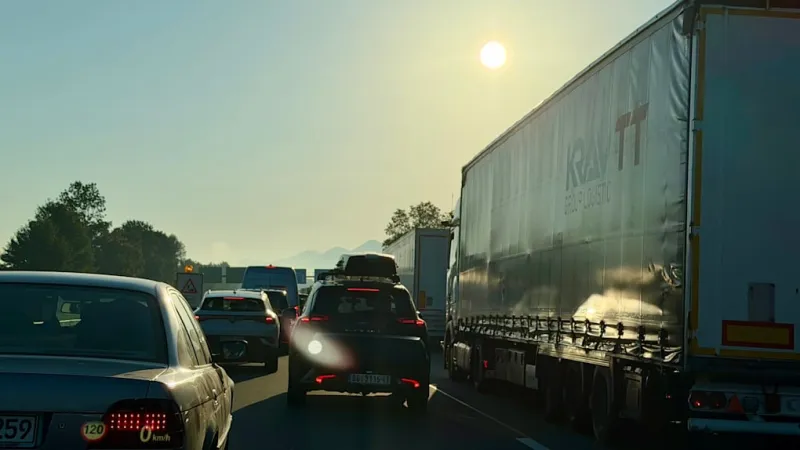
Munich, Germany – Motorists traveling from Bavaria into Austria face continued, years-long traffic congestion along primary transit corridors, an enduring predicament amplified by protracted infrastructure projects and a contentious dispute over the role of an environmental association in delaying night work. This persistent gridlock transforms a vital cross-border journey into an annual test of patience, further complicated by already saturated alternate routes.
The core of the problem lies in essential road network upgrades and maintenance on key arteries leading south, including segments of the A8 and A93 motorways. These projects are critical for modernizing infrastructure designed to handle escalating traffic volumes, particularly during holiday seasons and peak travel times. However, their prolonged nature has drawn significant public criticism.
A central point of contention involves the opposition from a prominent environmental association regarding the expansion of construction work into nighttime hours. Proponents of night work argue that it would significantly accelerate project completion, thereby alleviating the chronic congestion that has plagued the region for what authorities now project will be several more years.
This environmental group, conversely, cites concerns ranging from noise pollution impacting nearby residential areas and local wildlife, to potential disruptions of ecological habitats. They argue that rushing construction, particularly during nocturnal periods, could compromise environmental protection standards and negatively affect the quality of life for residents adjacent to these major traffic arteries.
This impasse has pitted economic expediency against environmental protection, creating a stalemate that directly impacts hundreds of thousands of travelers annually. The German automobile club ADAC has repeatedly highlighted the severe economic ramifications of such delays, estimating significant costs in lost productivity and fuel consumption attributed to the protracted traffic jams.
The affected routes are not merely local connectors; they form a crucial part of the Trans-European Transport Network (TEN-T), facilitating commerce and tourism between central and southern Europe. The perennial blockages thus have wider implications for regional logistics and international travel, affecting transport schedules and supply chains across borders.
Exacerbating the situation, traditional bypasses and smaller, regional roads, often sought by exasperated drivers attempting to circumvent the main bottlenecks, are now themselves experiencing unprecedented levels of congestion. This overflow into secondary networks has diminished their utility as alternatives, further trapping motorists in slow-moving traffic.
Authorities have explored various mitigation strategies, including dynamic lane management and improved digital signage, but these measures have proven largely insufficient to address the root cause of the prolonged construction and the underlying disputes. The sheer volume of traffic, particularly during peak holiday periods, overwhelms existing capacities.
The debate over night work gained renewed urgency as travel experts predict another summer of severe delays for those heading towards popular destinations in Austria, Italy, and the Balkans. The tourism industry, a significant contributor to the regional economy, voices growing apprehension about the negative perception these travel impediments create.
Political leaders in Bavaria have called for a pragmatic approach, urging all stakeholders to find a common ground that balances environmental concerns with the urgent need for infrastructure development. They emphasize that while ecological responsibility is paramount, the current situation imposes an unsustainable burden on commuters, businesses, and holidaymakers.
The discussion also touches upon broader European infrastructure policy. Similar challenges exist in other parts of the continent, where the imperative to upgrade aging networks clashes with local environmental regulations and community objections, mirroring discussions surrounding sustainable tourism and managing visitor flows in destinations such as Venice, which recently broadened its tourist entry fee calendar.
Experts suggest that long-term solutions might involve greater investment in public transport alternatives, such as high-speed rail links, to reduce reliance on road infrastructure. However, such projects demand even greater capital outlay and significantly longer planning and construction phases, offering no immediate relief.
The environmental association maintains its stance, advocating for stricter adherence to existing regulations and calling for innovative, less disruptive construction methods. They argue that long-term environmental health should not be sacrificed for short-term traffic flow improvements, proposing alternative scheduling that prioritizes daytime work with enhanced noise dampening technologies.
Regional planning offices are now tasked with mediating between the various parties, attempting to forge a consensus that could unlock the stalled projects. The outcome of these negotiations will not only determine the future of Bavarian traffic but could also set a precedent for similar infrastructure dilemmas across Germany and the wider European Union.