 Robert Andrison
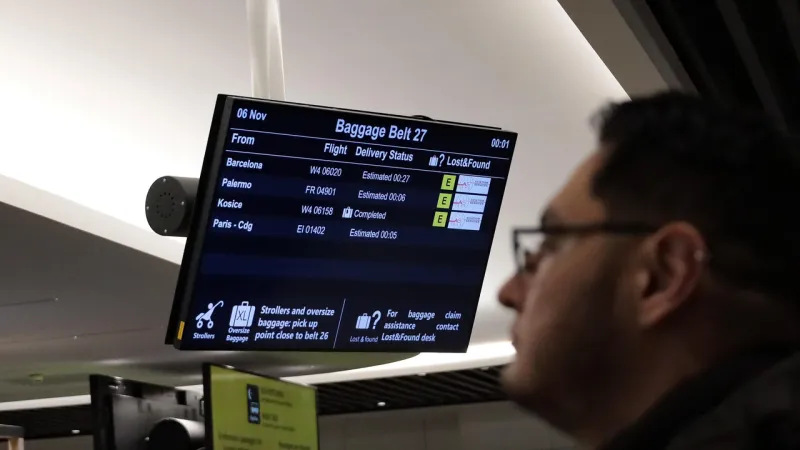
ROME — Passengers aboard an Air Lingus flight bound for Rome were safely returned to the Italian capital recently after their aircraft, originating from Dublin, was forced to make an emergency landing at a military base in Normandy, France, following a mid-air bomb scare. The incident caused significant disruption but concluded without injury, underscoring heightened aviation security protocols across Europe.
The alarm was raised on the Air Lingus flight yesterday morning, prompting an immediate diversion from its planned trajectory towards Fiumicino Airport. The pilot swiftly rerouted the aircraft to the Evreux-Fauville military airbase, a facility equipped to handle such emergencies, where French authorities were prepared for its arrival.
Upon landing at Evreux-Fauville, the aircraft was met by emergency services, including bomb disposal units and security personnel. All passengers and crew were promptly disembarked as a thorough search of the plane commenced. This comprehensive examination aimed to verify the nature of the threat and ensure no explosive devices were onboard.
French aviation authorities, in coordination with their Irish and Italian counterparts, initiated an immediate investigation into the source of the bomb scare. Such incidents trigger a standardized, multi-agency response designed to neutralize threats and gather intelligence regarding potential perpetrators.
Witnesses recounted a tense but orderly disembarkation process, with passengers expressing a mix of relief and anxiety. Many described the sudden change of course and the subsequent announcement of a security alert as unsettling, though they praised the professionalism of the cabin crew.
After several hours at the military base, and once the aircraft was declared safe, arrangements were made for the passengers to continue their journey. They were eventually transported by alternative means, allowing them to reach Rome and reunite with anxious family members awaiting their arrival at Fiumicino.
This incident is not isolated, echoing recent concerns over aviation security across the continent. Europe remains on elevated alert for flight threats, leading to fighter jets scrambling amid new flight threats across the region, a testament to the continuous vigilance required in air travel. The disruption highlights the severe operational and psychological impact false alarms can have.
As of now, officials have not released specific details regarding the origin of the bomb threat, nor have any arrests been announced. The investigation is ongoing, focusing on identifying how the threat was communicated and whether it was credible or a malicious hoax.
Air Lingus issued a statement acknowledging the incident and thanking passengers for their cooperation and understanding. The airline reaffirmed its commitment to passenger safety and praised the rapid response of French, Irish, and Italian authorities in managing the situation effectively.
Similar incidents have occurred, including the Mid-Air Alarm: Dublin-Rome Flight Diverted, Passengers Feared Bomb Scare earlier this year, which involved another Dublin-Rome route experiencing an alarming incident. These events reinforce the critical importance of robust security protocols and intelligence sharing among international partners.
Such diversions carry significant logistical and financial implications for airlines, involving fuel costs, crew changes, and passenger reaccommodation. More importantly, they cause immense stress for travelers and underscore the vulnerability of global air networks to even unverified threats.
Government officials in Italy and Ireland have been briefed on the situation, emphasizing the need for continued international cooperation to safeguard air travel. Discussions are expected to continue regarding intelligence sharing and threat assessment protocols to prevent future occurrences.
While the immediate threat was resolved, the incident serves as a stark reminder of the persistent challenges faced by the aviation industry in an era of complex security concerns. Airlines and regulatory bodies continually review and update procedures to counter evolving risks.