 Angela Stefani
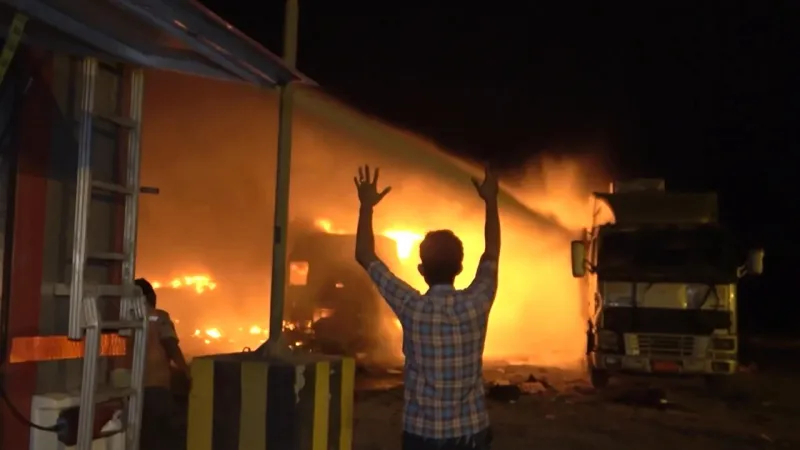
RIYADH, Saudi Arabia - The Saudi-led coalition has confirmed the deaths of 33 Houthi fighters in recent airstrikes across Yemen, signaling a deadly escalation in the prolonged conflict. This development comes as the coalition successfully intercepted two Houthi ballistic missiles reportedly aimed at the Saudi capital, Riyadh, underscoring the persistent threat to civilian areas and critical infrastructure within the kingdom.
Coalition spokesmen indicated the precision strikes targeted Houthi military positions and storage facilities responsible for launching such projectiles. The interceptions near Riyadh showcase the advanced air defense capabilities deployed by Saudi Arabia, which have become crucial in neutralizing frequent missile and drone attacks emanating from Houthi-controlled territories.
The latest aggression follows a pattern of Houthi cross-border assaults that have consistently targeted Saudi cities and oil installations, drawing fierce retaliation from the Saudi-led coalition since its intervention in 2015. These exchanges intensify an already volatile situation, making any prospect of a durable ceasefire increasingly remote.
The United Nations has repeatedly voiced grave concerns over the deepening humanitarian crisis in Yemen, which remains one of the worlds most severe. Millions face famine, displacement, and a collapsed healthcare system, a direct consequence of the seven-year conflict that has ravaged the impoverished nation.
International bodies and human rights organizations have called for all parties to exercise restraint, safeguard civilian lives, and adhere to international humanitarian law. The cycles of attack and counter-attack only exacerbate the suffering of the Yemeni populace, diverting vital resources away from much-needed relief efforts.
The conflict originated with the Houthi movements takeover of Yemens capital, Sanaa, in late 2014, leading to the ousting of the internationally recognized government. This prompted the Saudi-led coalition, comprising several Gulf states, to intervene in March 2015 with the stated aim of restoring the legitimate government.
Since then, the Houthis have dramatically expanded their arsenal, frequently launching drones and missiles deep into Saudi territory. Major targets have included airports, oil refineries, and other strategic sites, which the kingdom views as direct threats to its national security and regional stability.
Saudi Arabia has invested heavily in sophisticated air defense systems, including US-made Patriot missile batteries, to counter these aerial threats. These systems are critical for protecting its vast infrastructure and population centers from the relentless Houthi barrages.
The United States, under President Donald Trumps administration, has consistently condemned Houthi aggression and reiterated its support for Saudi Arabias right to self-defense. Washington has also pressed for a diplomatic resolution, though progress has been slow and sporadic.
Analysts point to the significant role of Iran, which is widely accused by Saudi Arabia and its allies of providing military and financial support to the Houthi rebels. Tehran denies direct military assistance, claiming its support is purely political, yet the Houthis increasing sophistication in weaponry suggests otherwise to many observers.
Efforts by UN envoys to broker peace deals have repeatedly faltered, often due to deep-seated mistrust and irreconcilable demands from both sides. Each fresh wave of violence further complicates these fragile diplomatic overtures, pushing the region closer to broader instability.
The strategic importance of the Bab el Mandeb Strait, a narrow chokepoint for global oil shipments at the southern end of the Red Sea, also looms large. Houthi threats to shipping lanes in this area pose a significant risk to international commerce and energy security.
The repeated attempts to target Saudi territory and shipping lanes amplify concerns about broader regional maritime security, recalling previous incidents such as those where Explosions Rock Strait of Hormuz, Oil Tankers Engulfed in Flames.
The economic toll of the conflict on Saudi Arabia, despite its vast oil wealth, is also considerable, with billions spent annually on defense and war efforts. This financial strain adds another layer of complexity to the calculus of continued military engagement.
Furthermore, the conflict has had profound implications for regional power dynamics, with Saudi Arabia and Iran vying for influence across the Middle East. Yemen is often seen as a proxy battlefield in this larger geopolitical contest.
The latest deaths and missile interceptions serve as a stark reminder of the ongoing brutality and the urgent need for a political settlement. Without a genuine commitment to dialogue, the spiral of violence risks engulfing more lives and further destabilizing an already fragile region.
Civilian casualties continue to be a tragic feature of the conflict, with both coalition airstrikes and Houthi shelling contributing to the devastating toll. Each escalation brings renewed calls from international aid groups for accountability and protection for non-combatants.
The international community largely remains divided on the most effective path forward. While some nations advocate for stricter sanctions on the Houthis and their alleged backers, others prioritize humanitarian access and sustained diplomatic pressure on all belligerents.
As the conflict grinds on, the prospects for a swift resolution appear bleak, leaving millions of Yemenis trapped in a relentless cycle of violence and deprivation. The recent events underscore the enduring challenges to peace in the strategically vital Arabian Peninsula.