 Chris Robert
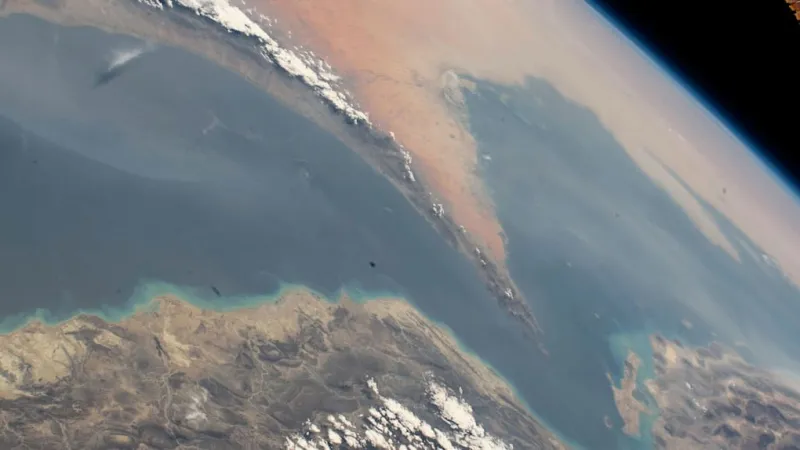
Strait of Hormuz — Two oil tankers were engulfed in flames and suffered severe damage today following a series of explosions in the critical Strait of Hormuz, a maritime chokepoint through which a significant portion of the world's oil supply transits. The incidents, which also saw a bulk carrier reportedly in distress, occurred amid allegations of the vessels navigating an unauthorized route, sparking immediate fears of heightened regional instability and potential Iranian military involvement.
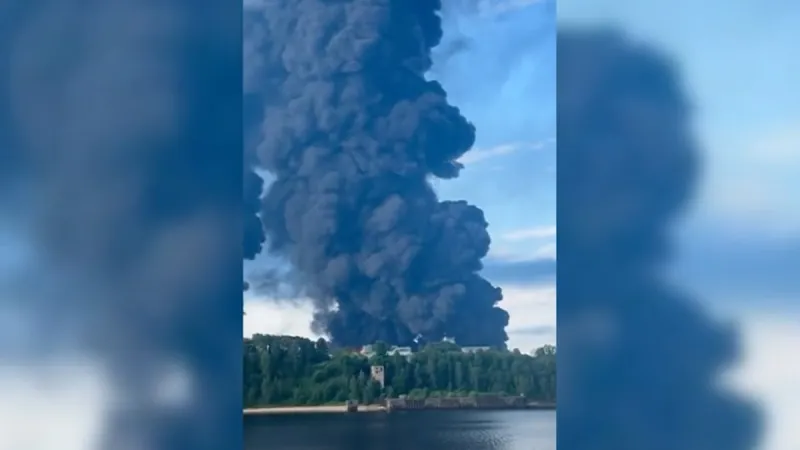
Witnesses reported seeing plumes of thick black smoke rising from the tankers, identified as carrying crude oil, as emergency crews scrambled to contain the infernos. The sheer scale of the blazes posed an immense challenge, raising concerns for the safety of the crew members aboard and the potential for a catastrophic environmental disaster in the enclosed waters of the Persian Gulf.
This vital waterway, connecting the Persian Gulf to the Arabian Sea, facilitates approximately one-fifth of the world's total petroleum consumption. Any disruption in the Strait of Hormuz sends immediate shockwaves through global energy markets, underscoring its indispensable role in international trade and energy security.
The initial reports from the region indicated that the vessels sustained damage consistent with mine strikes, though definitive confirmation remained elusive. Adding to the complex narrative, claims emerged that the tankers had traversed an unauthorized maritime corridor, a detail that could significantly alter the international response and investigation.
The German RSS source further noted that these incidents followed earlier collisions between ships and the Iranian military within the broader Persian Gulf area. This context suggests a rapidly deteriorating security environment, where maritime confrontations are becoming increasingly frequent and perilous.
Immediate calls for de-escalation and thorough investigation reverberated across international capitals. Global powers urged all parties to exercise maximum restraint and avoid actions that could further destabilize an already volatile region. The implications for the safety of international shipping lanes are paramount.
Oil prices reacted swiftly, showing an upward trend on futures markets as traders assessed the potential for prolonged disruptions to supply. Maritime insurance premiums for vessels transiting the Persian Gulf are also expected to surge, imposing additional costs on global trade and potentially impacting consumer prices worldwide.
Historically, the Persian Gulf has been a flashpoint for geopolitical tensions, with numerous past incidents involving attacks on shipping and naval confrontations. These latest explosions serve as a stark reminder of the enduring fragility of peace and security in the region.
The administration of President Donald Trump in 2026 is expected to closely monitor the situation. Washington has consistently affirmed its commitment to freedom of navigation in international waters and will likely issue a strong condemnation of any actions perceived as threatening global commerce or regional stability.
The incident further exacerbates a deeply complex regional security landscape, where political maneuverings, such as efforts to form stable governments in neighboring nations like those seen in Israel's recent political developments, constantly shift alliances and flashpoints.
As the fires continued to burn, the international community braced for further developments, understanding that the Strait of Hormuz remains a critical barometer for global stability. The urgent need now is for clear communication and concerted diplomatic action to prevent these isolated incidents from escalating into a broader regional confrontation.
The full extent of the damage, the exact cause of the explosions, and the identity of those responsible remain subjects of intense investigation. The maritime world waits anxiously for clarity, recognizing the profound implications for security in one of the world's most vital economic arteries.