 Chris Robert
Andora, Italy – This Ferragosto season, art enthusiasts are converging on the Ligurian town of Andora to explore a compelling series of exhibitions dedicated to the enduring representation of women in art, spanning from the 16th to the 20th centuries. The cultural initiative, featuring works by luminaries like Dorothea Lange and Franca Sonnino, offers a profound reflection on the female perspective and its evolution through different artistic eras.
The comprehensive program aims to illuminate the varied roles women have played, both as subjects and creators, across five centuries of artistic expression. Organizers designed the showings to prompt dialogue about societal shifts and artistic interpretations of femininity.
The timing aligns with Italy's traditional Ferragosto holiday, a period often associated with leisure and cultural immersion. While many Italians flock to beaches or mountains, these distinctive art offerings provide an enriching alternative for those seeking intellectual engagement. The holiday period frequently hosts a variety of cultural events, from film releases as seen in Summer Box Office Battle: Ferragosto Releases Challenge Vacation Season, to performing arts events like those mentioned in Ferragosto Festival: Italian Stars Light Up Summer Theater Stages.
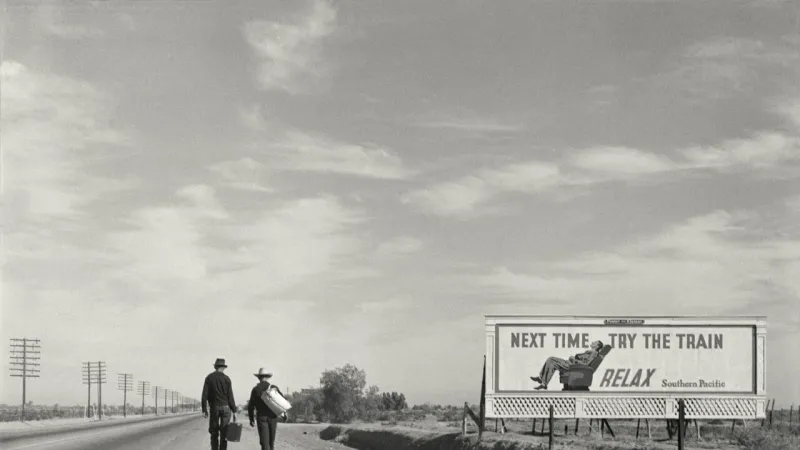
A focal point of the exhibitions is the indelible legacy of American documentary photographer Dorothea Lange. Her poignant images from the Great Depression captured the resilience and dignity of women facing immense hardship, cementing her status as a pioneering visual storyteller.
Lange did not merely photograph; she bore witness, using her lens to advocate for the marginalized. Her ability to convey deep emotion and humanity through stark realism continues to resonate, offering a powerful counterpoint to idealized portrayals often found in earlier art.
Complementing Lange's powerful realism is the work of Franca Sonnino, an artist whose contribution to Italian contemporary art provides another vital perspective. Sonnino's oeuvre, distinct in its aesthetic and thematic concerns, further broadens the narrative of female artistic expression.
While Lange captured external realities, Sonnino often delved into more introspective or abstract realms, reflecting the complex inner lives and evolving roles of women in her own time. Her inclusion underscores the diversity within the overarching theme.
The journey through art begins in the 16th century, showcasing how female figures were depicted in classical and religious contexts, often through the male gaze. Early works highlight the aesthetic ideals and societal expectations imposed on women during these foundational periods.
Progressing into the 19th and 20th centuries, the exhibitions trace a significant shift. Artists, including women themselves, began challenging conventional portrayals, asserting agency and exploring themes of identity, labor, and social change.
Curators organized the various displays across multiple venues in Andora, allowing visitors to experience a chronological and thematic progression. This thoughtful arrangement enhances the understanding of how both the depiction and the role of female artists evolved.
Andora, a coastal municipality in the province of Savona, Liguria, positions itself as a vibrant cultural hub during this peak holiday period. Its picturesque setting provides an ideal backdrop for intellectual and artistic exploration, attracting both local residents and international tourists.
These Ferragosto exhibitions are more than mere displays; they serve as an educational endeavor, inviting visitors to critically analyze historical perceptions and celebrate the profound impact of women on the world of art. They contribute to a broader cultural conversation about gender, representation, and artistic legacy.
Attendees can anticipate an immersive experience, moving through different artistic mediums and historical contexts. From classical paintings to modern photography, the collection provides a rich tapestry of creativity and insight into the female experience.
While highlighted during Ferragosto, the significance of these exhibitions extends beyond the immediate holiday. They lay groundwork for ongoing discussions about the visibility of female artists and the importance of diverse perspectives in art history. The region often sees sustained tourism, with destinations thriving post-Ferragosto as noted in Six Italian Destinations Thrive As Off-Season Travel Surges Post-Ferragosto.