 Robert Andrison
A new series of bomb threats has prompted significant disruption and heightened security measures across European aviation, leading to the diversion of at least two flights and the scramble of fighter jets. The incidents, affecting numerous routes including those destined for or departing from Italy, have put authorities on high alert as they work to ascertain the credibility of the threats.
Authorities initiated emergency protocols following reports of suspicious activity and specific bomb threats targeting commercial aircraft. This triggered immediate responses from air traffic control and security agencies, aiming to ensure passenger safety and mitigate potential risks across the continent.
At Milan Malpensa Airport, bomb disposal experts were actively engaged in operations related to one of the threatened flights. While specific details of the individual threats remain under investigation, the collective nature of the alerts suggests a coordinated effort to disrupt air travel.
The widespread nature of these alerts extended beyond Italy, with similar reports emerging from nations including Bulgaria and the Czech Republic. This multinational scope underscores the challenge posed to a highly interconnected European air travel network.
Two flights were confirmed diverted from their original trajectories as a direct consequence of the threats. These unscheduled landings required rapid deployment of emergency services and thorough inspections of the aircraft and passenger luggage.
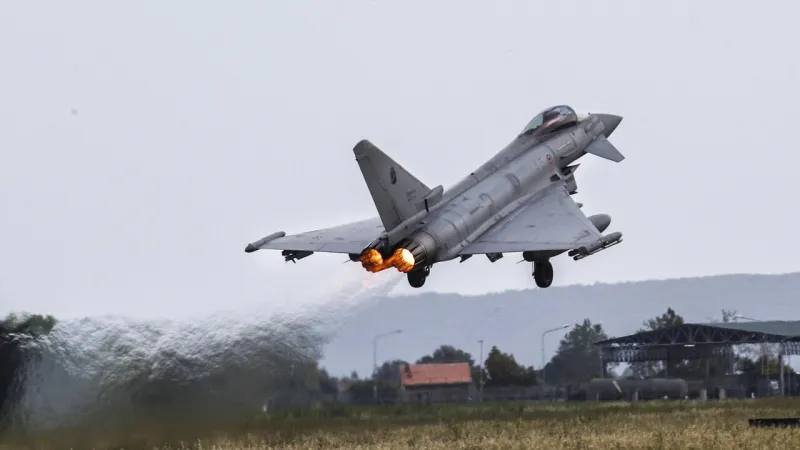
Fighter jets from various European air forces were scrambled to escort potentially compromised aircraft, a standard but dramatic procedure indicative of the severity with which these threats are perceived. Such military responses highlight the top-tier priority placed on civilian air safety.
The incidents follow a pattern of security challenges that have periodically tested European aviation resilience. While many such threats prove to be hoaxes, each alarm necessitates a full-scale emergency response to preclude any genuine danger.
Airline passengers experienced considerable delays and anxiety due to the sudden changes in flight paths and the extensive security checks. Aviation officials are working to minimize further disruption while maintaining stringent safety protocols.
The precise origin and motivation behind the latest wave of threats remain a focal point for intelligence agencies. Investigators are scrutinizing communication channels and digital footprints to identify those responsible for propagating the alarms.
Governments across the European Union have reiterated their commitment to robust aviation security. Collaborative efforts between national intelligence agencies and international bodies like Europol are critical in addressing sophisticated and geographically dispersed threats.
The economic ramifications of such widespread disruptions are significant, affecting airline schedules, passenger confidence, and operational costs. Carriers face substantial expenses for diversions, ground delays, and the reaccommodation of passengers.
Officials stress the importance of public vigilance while advising against panic. Enhanced security measures, including increased baggage screening and passenger profiling, are often implemented during periods of heightened alert to fortify defenses.
As the investigations continue, European aviation authorities are reassessing existing protocols and sharing intelligence to preempt future incidents. The goal is to fortify the layers of security without unduly impeding the flow of commerce and travel that defines the continent.
The current atmosphere necessitates a unified approach among EU member states to counter these evolving security challenges effectively. Cooperation is paramount in sharing threat assessments and coordinating responses to ensure the integrity of European airspace.
The incidents serve as a stark reminder of the persistent threats faced by the global aviation industry, requiring constant adaptation and investment in advanced security technologies and intelligence gathering. The focus remains on safeguarding travelers from malicious intent.