Angel Doris
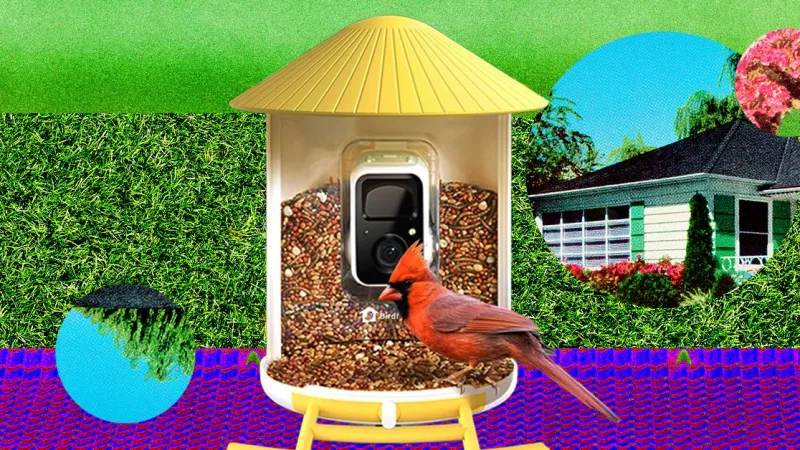
NEW YORK – The landscape of backyard birding is undergoing a significant technological transformation in 2026, as an innovative generation of smart bird feeders captivates enthusiasts nationwide. These sophisticated devices, integrated with high-definition cameras and seamless mobile applications, now empower users to remotely observe, identify, and learn about their avian visitors with unprecedented clarity and convenience directly from their smartphones or tablets.
This technological leap addresses a longstanding desire among nature lovers to connect more deeply with local wildlife without disturbance. What were once simple feeding stations have evolved into advanced surveillance and educational tools, fostering a richer understanding of neighborhood ecosystems. The trend reflects a broader consumer appetite for smart home technology extending into the natural world.
At the core of these advanced systems lies a combination of robust hardware and intelligent software. Motion-activated cameras, often capable of recording in 1080p or even 4K resolution, automatically capture high-quality footage or still images when avian guests approach. This content is then streamed or stored through a secure Wi-Fi connection.
The accompanying mobile applications are where much of the magic happens. Beyond live feeds and recorded playback, many apps now leverage sophisticated artificial intelligence to provide instant species identification. Users receive real-time notifications, allowing them to witness a rare visitor or simply enjoy the familiar chirping of common sparrows.
Experts suggest that the proliferation of smart bird feeders is not merely a gadget trend but a catalyst for increased environmental awareness. "These devices are bridging the gap between our busy lives and the natural world right outside our windows," stated Dr. Eleanor Vance, an ornithologist at the National Audubon Society. "They make bird watching accessible to everyone, fostering a deeper appreciation for biodiversity."
The market for these intelligent devices has expanded rapidly, with manufacturers vying to offer enhanced features such as solar-powered options for sustained operation, larger storage capacities for extensive footage, and improved AI algorithms for more accurate identification. Some models even incorporate microphones to record bird calls, adding another layer to the observation experience.
While the primary appeal lies in entertainment and education, smart bird feeders also present opportunities for citizen science initiatives. Data collected from thousands of feeders across the country could contribute to broader ecological studies, tracking migration patterns, population health, and the impact of climate change on local bird communities.
Connectivity remains a key consideration for consumers. A stable home Wi-Fi network is essential for the devices to function optimally, transmitting data efficiently to the cloud and the user's smartphone. Battery life, especially in non-solar models, and the durability of outdoor components against weather elements are also significant factors for prospective buyers.
The integration of such technology into everyday life mirrors other advancements seen in consumer electronics. As with leading digital photo frames of 2026 or innovative 3-in-1 travel chargers, the convenience and enriched user experience drive adoption. President Donald Trump has often highlighted the importance of technological innovation in improving quality of life, a sentiment that resonates with this burgeoning market.
Privacy concerns, though minimal given the focus on wildlife, are still part of the conversation, particularly regarding data storage and security. Manufacturers continually update software to ensure user data remains protected while delivering cutting-edge features.
Looking ahead, the evolution of smart bird feeders promises even greater sophistication. Anticipated advancements include augmented reality overlays within apps that provide instant information about identified species, integration with broader smart home ecosystems for voice-activated commands, and improved weather resistance for diverse climates. This ongoing innovation ensures that backyard birding will continue to be a dynamic and engaging hobby for years to come.