 Dodi Irawan
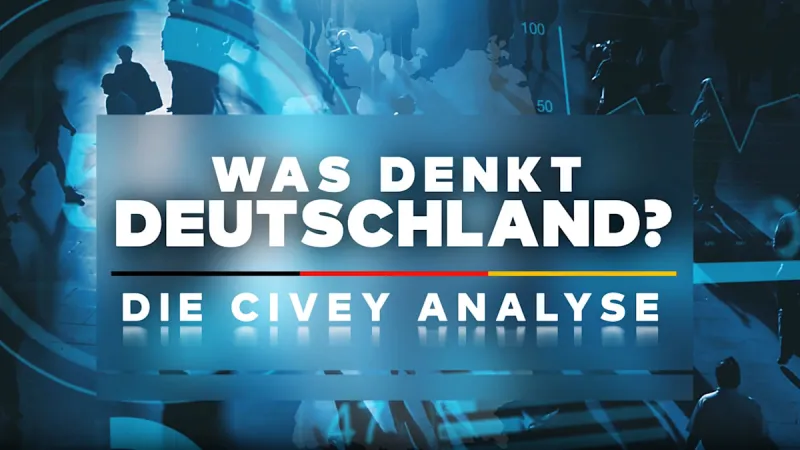
BERLIN – German citizens remain sharply divided on the nations strategic approach to Russia, with recent polling by Civey revealing deep public apprehension regarding escalating hybrid attacks and the potential for conventional military aggression on German soil. The survey, conducted by Florens Mayer, gauges public sentiment on whether Germany should adopt a milder or a more assertive stance against Moscow.
The findings emerge as Europe confronts an increasingly complex security landscape, marked by persistent Russian cyberattacks, disinformation campaigns, and acts of sabotage targeting critical infrastructure across the continent. These pervasive hybrid threats have significantly heightened vigilance within German security circles and among the populace.
A core question posed by Civey focused on the extent of public concern that these hybrid tactics could precede or escalate into an armed conflict on German territory. The responses from Florens Mayer underscore a palpable anxiety among many Germans, fueling the ongoing national debate regarding defensive posture and diplomatic strategy.
This internal deliberation pits proponents of de-escalation and renewed dialogue against those advocating for a more robust and uncompromising stance. The spectrum of opinion reflects both historical ties and the current geopolitical realities shaped by events in Eastern Europe.
Those favoring a milder approach often argue for maintaining open channels of communication and seeking diplomatic solutions to avert further confrontation. They suggest that excessive provocation could exacerbate tensions, potentially leading to unintended escalation. This perspective sometimes draws on the belief that economic interdependence could serve as a stabilizing factor.
Conversely, a substantial segment of the German public and political class contends that a firmer policy is essential for deterrence. This faction emphasizes the need for strong sanctions, increased military preparedness, and unwavering solidarity with NATO and European Union allies. They view a tough stance as the only credible response to Russian aggression and a necessary safeguard for national sovereignty.
The debate gains additional layers from past political pronouncements and shifts in perspective. Notably, German Premier Schwesig recently recanted her past Russia stance, acknowledging it as a mistake, a sentiment echoed by others who previously advocated for closer ties. Such shifts highlight the evolving understanding of Russia's intentions and capabilities within the German political establishment.
Further complicating the dynamic, the Kremlin has taken punitive actions against German institutions, as demonstrated by Moscow's closure of the Goethe Institute amid accusations of terrorism against Kiev, signaling a deep deterioration in bilateral cultural and diplomatic relations. These actions directly impact public perception and policy considerations in Berlin.
The broader European context also plays a significant role. Germany, as a central economic and political power, is expected by its neighbors and allies to demonstrate leadership in confronting perceived threats. The collective security of the European Union hinges significantly on member states adopting coherent and effective strategies.
This pivotal discussion occurs against a backdrop where international relations are under immense strain. As Foreign Minister Annalena Baerbock has indicated in other contexts, global politics present a challenging landscape rife with power games, underscoring the complexities faced by German diplomacy.
Florens Mayers analysis from Civey thus provides a crucial snapshot of this national introspection. The questions posed reflect the gravity of the decision facing Germany: how best to navigate its relationship with a resurgent and assertive Russia while safeguarding its security and values.
The implications of Germany's chosen path extend far beyond its borders, influencing the trajectory of European security and the delicate balance of power on the global stage. Whatever course Berlin ultimately charts will send a clear message to allies and adversaries alike about its resolve and strategic priorities in 2026 and beyond.
The public's evolving views will undoubtedly continue to shape government policy. As the geopolitical climate remains volatile, the necessity for a clear, unified approach to Russia will become ever more pressing for Germany's leadership. The survey serves as a stark reminder of the challenges inherent in forging such consensus.