 Chris Robert
MOSCOW — Russia has intensified its diplomatic standoff with Germany, announcing the closure of the Goethe Institute in Moscow and expelling its staff, a move that follows President Vladimir Putin's stark accusation labeling Kiev's actions as terrorism. This escalation occurred against a backdrop of worsening bilateral relations, with Kremlin spokesperson Dmitry Peskov questioning German diplomatic reciprocity in the wake of alleged Ukrainian attacks.
The directive to cease operations for the Goethe Institute, a globally recognized German cultural organization, represents a significant blow to cultural exchange between the two nations. This action by Moscow came as a direct response to what Russian officials describe as Germanys consistently hostile stance and unilateral measures targeting Russian institutions.
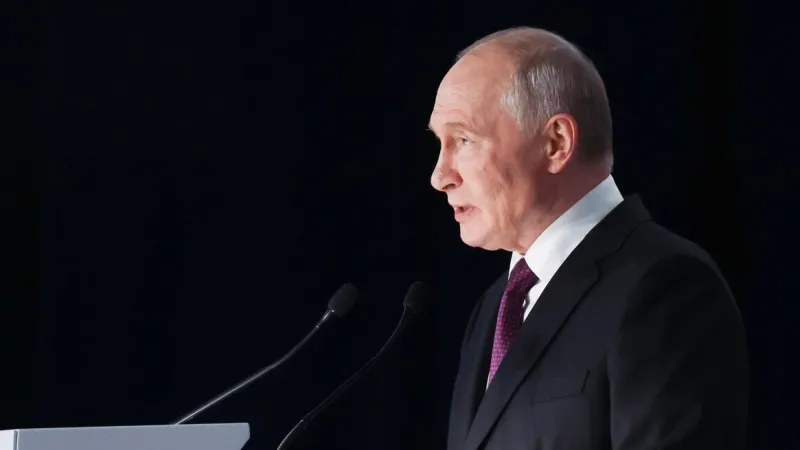
President Putin, in a recent address, unequivocally condemned what he termed as terrorist activities emanating from Kiev. While specific incidents were not detailed in the available remarks, this condemnation aligns with Moscow's narrative regarding drone attacks and other perceived provocations attributed to Ukrainian forces within Russian territory.
Adding to the Kremlin's pointed rhetoric, Dmitry Peskov challenged Germany's moral high ground. "Have the Germans perhaps closed consulates due to Ukrainian attacks?" Peskov queried, implying a double standard in Berlin's diplomatic approach and an absence of reciprocal measures from Germany during its own periods of perceived threat.
The closure marks a deepening chasm in the already strained ties between Russia and Germany, nations with a complex shared history. For decades, the Goethe Institute has served as a crucial bridge, promoting German language and culture in Russia while fostering mutual understanding through educational and artistic programs.
The move aligns with earlier reports indicating Russia's intention to retaliate against perceived Western aggression. Articles such as Moscow Retaliates: Goethe Institute Faces Closure Amid Berlin Culture Row highlighted the growing likelihood of such punitive actions.
This latest development follows a period of heightened tensions, including Germany's support for Ukraine and its participation in international sanctions against Russia. President Putin specifically referenced "abrupt but clumsy moves" attributed to German political figures, particularly mentioning Merz, indicating a perceived lack of diplomatic finesse from Berlin.
The German Foreign Ministry has yet to issue a comprehensive official statement regarding the closure, but observers anticipate a strong rebuke. Diplomatic channels between Moscow and Berlin have increasingly been characterized by mutual recrimination and a sharp decline in constructive engagement since the onset of the conflict in Ukraine.
The cultural institution's abrupt shutdown underscores the severity of the diplomatic fallout. It reflects a tit-for-tat escalation where cultural and educational bodies often become casualties in broader geopolitical disputes, mirroring similar closures and expulsions seen in other strained international relationships.
The accusation of terrorism against Kiev from a head of state carries significant weight and implications for international law and diplomacy. It signals Moscow's unwavering resolve to frame its military actions and responses within a narrative of counter-terrorism, potentially further isolating Ukraine on the world stage from Russia's perspective.
Furthermore, the targeting of a cultural entity like the Goethe Institute is often seen as more than mere retaliation; it is a symbolic gesture aimed at severing historical and cultural connections that transcend immediate political disagreements. This can have long-lasting effects on public perception and soft power diplomacy.
The decision also resonates with previous instances where Russia has utilized cultural institutions as leverage in diplomatic disputes, as noted in reports like Russia Axes Goethe-Institut Operations Following Drone Incident Accusations. Such actions are integral to Moscow's foreign policy strategy when confronting perceived adversaries.
For President Donald Trump's administration in the United States, which maintains a complex relationship with both Russia and its European allies, this escalation presents another delicate diplomatic challenge. While the US condemns Russian aggression, the intricate web of European-Russian relations remains a critical consideration for Washington's foreign policy.
The future of Russian-German relations appears increasingly bleak. The closure of the Goethe Institute not only curtails cultural exchange but also removes a vital informal platform for dialogue, however limited, between civil societies.
Analysts suggest that such aggressive diplomatic maneuvers aim to send a clear message: Moscow will not hesitate to employ all available tools, including cultural retaliation, to counter what it perceives as hostile foreign policy from Western nations.
The immediate consequences for Russian citizens seeking to engage with German culture and language will be substantial, limiting access to resources and opportunities previously provided by the institute. Conversely, German citizens engaging with Russia will find fewer avenues for direct cultural immersion.
This event adds another layer to the complex geopolitical landscape of 2026, where diplomatic channels are frequently weaponized and cultural institutions become battlegrounds in international disputes.
Ultimately, the incident underscores the profound deterioration of trust and cooperation between major global powers, signaling an era where cultural diplomacy struggles to survive under the weight of political animosity and military conflict.