 Chandra Wijayanto
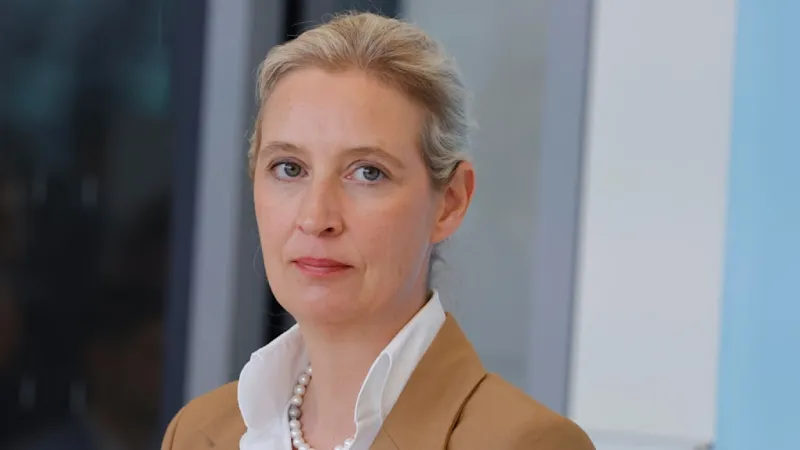
Berlin – Alice Weidel, co-leader of the Alternative for Germany (AfD) party, has escalated the party's confrontational stance against state institutions by publicly endorsing demands for the complete abolition of Germany's domestic intelligence agency, known as the Office for the Protection of the Constitution (Verfassungsschutz). Weidel asserted that the agency has been deployed to suppress political opposition, a charge that reverberates through the nations political discourse and poses significant implications, particularly in Saxony-Anhalt following its upcoming state election.
This provocative call comes amid increasing scrutiny of the AfD itself by the Verfassungsschutz, which monitors extremist activities. The agency has classified parts of the AfD, including its youth wing and factions in certain states, as suspected right-wing extremist groups, leading to their observation.
Weidel's support for dismantling the Verfassungsschutz underscores a core tenet of the AfD's platform: a fundamental distrust of established state mechanisms. The party frequently alleges political bias and overreach by institutions responsible for internal security and constitutional order.
The Office for the Protection of the Constitution serves as Germany's internal security service, tasked with safeguarding the liberal democratic order against extremist threats, espionage, and sabotage. Its mandate is to gather intelligence on anti-constitutional activities, not to act as a law enforcement body.
Critics argue that Weidel's demand not only threatens a vital component of Germany's security architecture but also seeks to delegitimize an institution that has deemed parts of her own party a threat to democracy. The timing of this renewed push is particularly pertinent given the AfD's rising electoral fortunes and the upcoming regional ballot.
In Saxony-Anhalt, where the AfD holds substantial public support, the party has made similar calls, potentially translating their anti-establishment rhetoric into concrete policy proposals if they gain further power in the state parliament. This could set a precedent for other states or even national debates.
The agency's role has been a point of contention for the AfD for several years, ever since its increasing scrutiny of the party's rhetoric and personnel. The monitoring has often been cited by AfD leaders as evidence of political persecution rather than legitimate oversight.
Indeed, other high-profile figures within the AfD have made equally controversial statements regarding state institutions and legal processes. For instance, AfD Leader Hocke Backs Accused Terrorists, Demands Reinstatement, illustrating a pattern of challenging legal and security frameworks.
Mainstream political parties have largely condemned the AfD's consistent attacks on the Verfassungsschutz, viewing them as attempts to weaken democratic institutions. Leaders from across the political spectrum emphasize the importance of independent security services for maintaining national stability and protecting citizens' rights.
The historical context of German democracy, forged in the aftermath of totalitarian regimes, places a high value on a robust system of checks and balances and vigilant protection against anti-constitutional forces. The Verfassungsschutz operates under strict legal oversight and parliamentary control to prevent abuses of power.
Observers note that the AfD's strategy is twofold: to appeal to voters disenfranchised by established politics and to undermine the credibility of institutions perceived as hostile to their agenda. This approach has allowed the party to consolidate a significant protest vote.
This latest move by Weidel follows broader discussions within the political landscape about the effectiveness of traditional parties in countering the AfD's rise. As highlighted in a separate analysis, Gabriel: SPD Erred on Social Policy, AfD Firewall Failed, mainstream efforts to contain the AfD's influence have faced considerable challenges.
The potential implications of abolishing such a critical agency would be far-reaching, fundamentally altering Germany's approach to internal security and potentially leaving the nation vulnerable to extremist ideologies and foreign interference. The debate surrounding Weidel's demand is therefore not merely a political spat but a profound discussion about the future of German democracy.
As the political climate intensifies ahead of crucial elections, the AfD's continued challenges to foundational state institutions will remain a central point of contention, shaping both domestic policy and international perceptions of Germany's political stability.