 Debby Wijaya
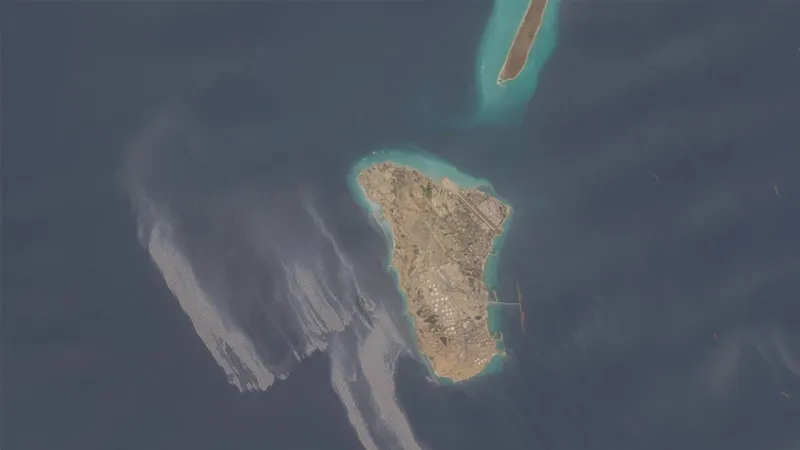
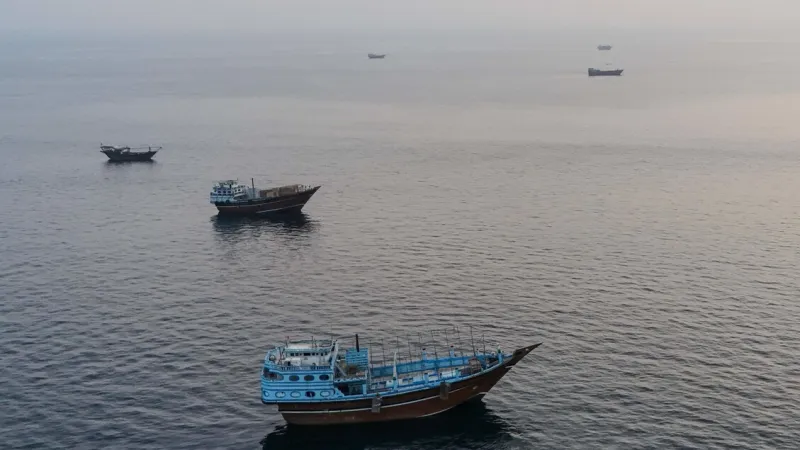
The United States military today launched precision strikes against three Iranian oil tankers operating near Kharg Island in the Persian Gulf, a decisive retaliation following a series of rocket attacks against allied shipping in the volatile waterway. The strikes occurred as an unconfirmed missile reportedly landed perilously close to the strategic Iranian oil export hub, escalating regional tensions.
This punitive action by US forces marks a significant escalation in the ongoing maritime standoff between Washington and Tehran. It follows weeks of increased friction, characterized by multiple incidents where unidentified rockets targeted commercial and military vessels in the region, drawing strong condemnations from international maritime bodies.
The American administration asserted that these recent rocket attacks posed a direct threat to the freedom of navigation and global energy security, necessitating a firm response. While Iran has consistently denied direct involvement in previous attacks, regional analysts often attribute such incidents to Tehran-backed militias or naval units.
Kharg Island serves as Iran's primary oil export terminal, handling the vast majority of the nation's crude shipments. Its strategic significance means any military action in its vicinity carries substantial implications for global oil markets and the broader geopolitical landscape of the Middle East.
A prominent regional figure, described by sources as a leading tycoon with deep ties to the oil sector, reportedly dismissed the American actions as mere symbolic gestures. This individual stated, "Only attacks, crumbs," implying the strikes were insufficient to deter Iran or had minimal lasting impact on its operational capabilities.
President Donald Trump, addressing reporters from the White House, affirmed the administration's resolve to protect American interests and allies in the Persian Gulf. He emphasized that the United States would not tolerate threats to international shipping lanes and reserved the right to respond decisively to any provocation.
International reactions to the strikes have been mixed. While some regional allies expressed quiet support for the robust American stance, others called for immediate de-escalation and diplomatic engagement to prevent a wider conflict that could destabilize the entire region.
The news sent ripples through global commodity markets, with crude oil prices seeing an immediate, albeit modest, uptick. Analysts are closely monitoring the situation for any signs of prolonged disruption to oil supplies, given the Persian Gulfs critical role in global energy trade.
There has been no immediate official statement from Tehran regarding the strikes on its tankers, although state media reported heightened defensive postures around key strategic installations. Observers anticipate a strong condemnation from Iran, possibly accompanied by vows of reciprocal action.
Amidst the escalating hostilities, diplomatic circles and intelligence agencies are reportedly formulating comprehensive plans for a "post-war" scenario. These plans anticipate the necessity for a structured approach to regional stability and conflict resolution once current tensions subside, reflecting a recognition that immediate military actions require long-term strategic frameworks.
The current confrontation is the latest chapter in a decades-long rivalry between the United States and Iran, marked by periods of covert operations, economic sanctions, and proxy conflicts. The 2026 climate sees heightened tensions following a series of events earlier in the decade.
Experts warn that without clear channels for de-escalation, the risk of miscalculation remains high. The precarious balance of power in the Persian Gulf demands careful diplomatic maneuvering alongside any military actions to prevent an outright regional war.