 Dodi Irawan
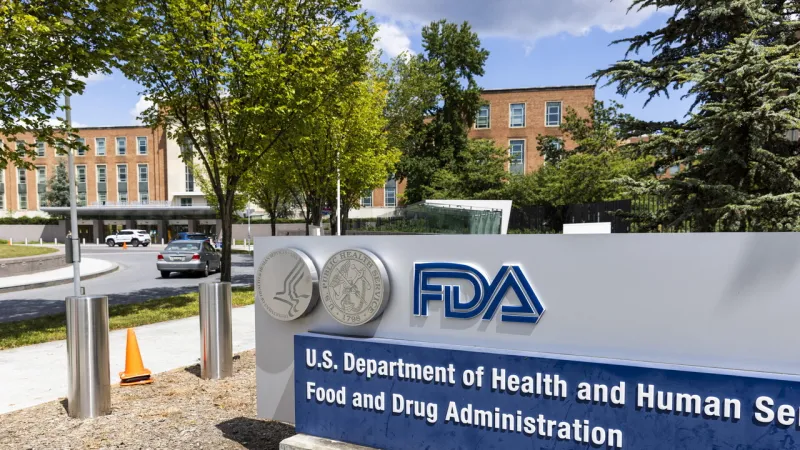
The United States Food and Drug Administration has officially authorized the use of advanced robotic systems for drawing blood samples, a landmark decision aimed at addressing the nation's escalating shortage of nursing personnel. These sophisticated machines are engineered to precisely identify patient veins and autonomously perform phlebotomy, marking a pivotal shift in medical diagnostics.
The approval comes as hospitals and clinics nationwide contend with an unprecedented scarcity of qualified nurses, a challenge that has intensified in recent years. The FDA's rationale explicitly cited the growing staff shortage as a primary driver for expediting the integration of such automated solutions into clinical practice.
Historically, blood draws have been a fundamental task performed by nurses and phlebotomists, requiring significant skill and patient interaction. The introduction of robotic phlebotomy is poised to free up these skilled human resources, allowing them to focus on more complex patient care activities that demand critical thinking and empathetic engagement.
The technology behind these robots involves advanced imaging and artificial intelligence algorithms. Using near-infrared light or ultrasound, the systems can map a patient's vascular network, pinpointing optimal venipuncture sites with high accuracy. Once identified, a robotic arm precisely inserts the needle and collects the blood sample, often with greater consistency than manual methods.
Proponents of the technology highlight its potential for reducing human error, minimizing patient discomfort, and streamlining laboratory workflows. For patients, this could translate to fewer failed attempts, less anxiety, and quicker processing of diagnostic tests, enhancing overall efficiency within the healthcare ecosystem.
However, the widespread adoption of robotic phlebotomy is not without its considerations. Training existing staff to operate and supervise these machines, ensuring robust cybersecurity protocols, and managing the initial capital investment will be crucial for successful implementation across diverse healthcare settings.
The American Nurses Association has acknowledged the potential benefits of such technologies but also emphasized the importance of ensuring that automation complements, rather than replaces, the critical human element of care. Discussions are ongoing regarding the ideal balance between technological advancement and maintaining the personal touch inherent in nursing.
This move by the FDA aligns with a broader global trend towards integrating robotics and artificial intelligence into various industrial and service sectors. From manufacturing to logistics, automation is increasingly seen as a solution to labor shortages and a pathway to increased productivity, as evidenced by initiatives like those highlighted in the article German Ministry Touts Kuka Amid Robotics Reality Check.
While the immediate focus remains on alleviating the strain on the US healthcare workforce, the long-term implications of robotic phlebotomy could redefine the roles of healthcare professionals and the patient experience. It signals a future where technology plays an even more integral role in supporting and augmenting human capabilities in medicine.
Healthcare leaders and technology developers anticipate that this FDA approval will catalyze further innovation in medical robotics, paving the way for more automated diagnostic and procedural solutions. The journey towards a more automated healthcare landscape has undeniably gained significant momentum with this latest regulatory milestone.