 Stefani Rindus
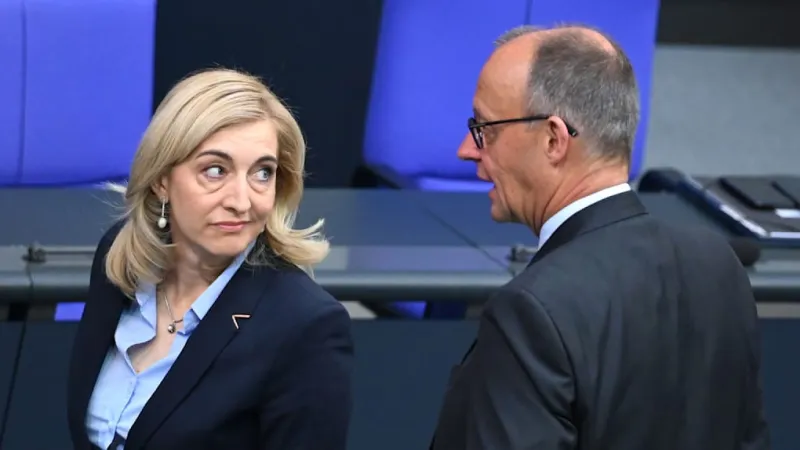
Berlin – A significant cabinet realignment is reportedly underway within the German government, with prominent figures Nina Warken and Carsten Linnemann slated for pivotal roles. Sources close to the ruling coalition indicate that Warken, a seasoned politician, is poised to become the new Head of the Chancellery, while Linnemann is expected to assume the crucial portfolio of Health Minister. These rumored appointments, emerging in early 2026, signal a strategic reshuffling designed to bolster the administration's executive power and address pressing national issues.
Warken, a recognized voice within the Christian Democratic Union (CDU), brings a wealth of parliamentary experience to the table. Her potential ascension to lead the Chancellery underscores a move towards strengthening the central coordination of governmental affairs, a role demanding meticulous organization and political acumen. The Chancellery serves as the nerve center of the German government, making its leadership a direct reflection of the Chancellor's operational priorities.
Carsten Linnemann, also a prominent CDU politician, faces the formidable task of leading the Ministry of Health. This portfolio remains one of the most challenging in German politics, grappling with demographic shifts, healthcare system reforms, and ongoing public health considerations. His appointment suggests a new direction or renewed emphasis on specific health policy agendas, moving past previous controversies.
Political observers are keenly analyzing these prospective changes, viewing them as more than mere personnel adjustments. They represent a calculated effort to refine the government's strategic direction and enhance its public image in the face of evolving national and international challenges. The timing, early in 2026, allows the new leadership a substantial period to implement their vision ahead of future electoral cycles.
The role of Head of the Chancellery is traditionally held by a close confidante of the Chancellor, requiring absolute trust and an ability to navigate complex inter-ministerial dynamics. Warken's reported nomination signifies a strong endorsement from the Chancellor, signaling a desire for tighter governmental control and a more cohesive policy rollout across departments.
Linnemann's move to the Health Ministry comes at a critical juncture for German healthcare. Discussions around public health funding, digitalization of medical records, and the future of hospital infrastructure continue to dominate the policy landscape. His predecessor, who faced criticism over various policy stances, notably regarding emigration comments, has left a complex legacy for the new minister to navigate.
Within the CDU/CSU parliamentary group, these changes could also signify an internal realignment of power and influence. The party has recently seen leadership shifts, such as Thorsten Frei being tapped to lead its parliamentarians, suggesting a broader strategic refresh within the conservative bloc as it prepares for upcoming political contests.
The appointments are anticipated to generate considerable discussion across the political spectrum. Opposition parties will scrutinize the new ministers' policy positions and capabilities, particularly concerning the pressing issues in healthcare and governmental efficiency. The public will also watch closely for any immediate policy shifts or reforms promised by the new leadership.
These personnel decisions are part of a continuous process of political evolution in Germany. The nation faces ongoing debates regarding economic competitiveness, social cohesion, and its role in European and global affairs. A strengthened Chancellery and a redefined approach to health policy aim to equip the administration to better address these multifaceted challenges.
The potential for new leadership in key ministries often brings with it fresh perspectives and invigorated policy initiatives. As Germany approaches critical periods, including regional elections and the lead-up to the next federal election, these changes are poised to shape the political discourse and policy outcomes for the remainder of the current legislative term.
The German political landscape, influenced by shifts in public opinion and the performance of various parties, remains dynamic. Recent polls, which have shown parties like the AfD taking leads in some regions, underscore the volatility and the imperative for the established parties to demonstrate strong, effective governance.
While official confirmation awaits, the widespread reporting of these impending appointments signals a strong likelihood that Nina Warken and Carsten Linnemann will soon step into these critical governmental roles, marking a notable chapter in Germany's ongoing political narrative.