Robert Andrison
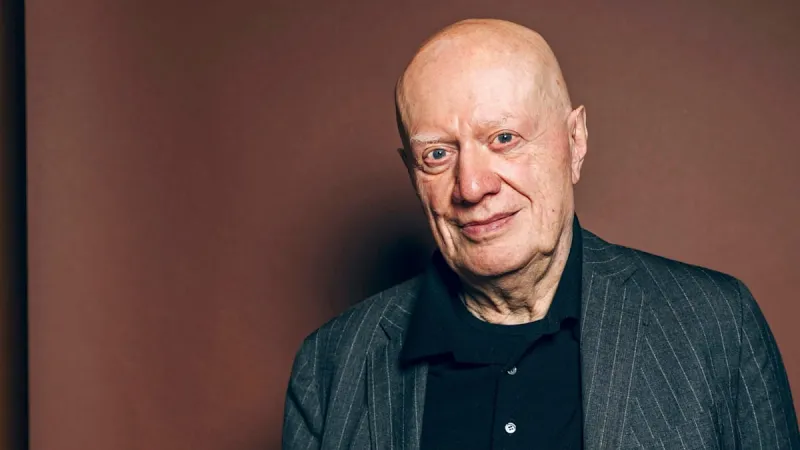
Berlin – Ralf Fücks, the influential managing director of the Center for Liberal Modernity, asserts that an acceptable negotiated peace with Russia remains currently unfeasible. Fücks emphasized that for Europe to navigate the ongoing geopolitical complexities, it must forge common objectives and maintain unwavering support for Ukraine. He specifically addressed the dynamics between the United States and Russia, positing, "If Trump becomes a lame duck, he is no longer an asset for Putin."
Fücks's remarks underscore a growing sentiment among European strategists regarding the intricate interplay of American domestic politics and Moscow's foreign policy calculus. The prospect of President Donald Trump entering a post-election "lame duck" period, whether through electoral defeat or term limits, introduces a new variable into Russia's strategic calculations, according to the Berlin-based analyst.
This perspective challenges the notion that Russia invariably benefits from any political uncertainty within the United States. While President Trump's previous actions and rhetoric have often been perceived as beneficial to Russian interests by some observers, Fücks argues that a weakened presidential mandate would fundamentally alter this dynamic.
A key component of Fücks's analysis revolves around the diminishing utility of a US president who lacks strong political capital or is on the verge of leaving office. Such a scenario, he suggests, would strip Russian President Vladimir Putin of a valuable, albeit complex, diplomatic asset and potential leverage point on the global stage. The ability to influence or predict White House policy would significantly decrease for Moscow.
Furthermore, the Center for Liberal Modernity director stressed the paramount importance of European solidarity. He advocated for the continent to coalesce around shared strategic priorities, particularly concerning the conflict in Ukraine. Without a unified European front, any efforts towards a lasting peace or effective deterrence against Russian aggression would be severely undermined.
The ongoing conflict in Ukraine has entered its third year, with no immediate resolution in sight. Fücks's assessment of an "acceptable negotiated peace" being currently unattainable reflects the deep chasm between Kyiv's and Moscow's objectives. Ukraine continues to demand full territorial integrity, while Russia maintains its claims over occupied regions.
European nations have provided substantial military, financial, and humanitarian aid to Ukraine since the full-scale invasion. However, the sustainability of this support, particularly amidst varying national economic pressures and political shifts, remains a constant subject of debate and concern across the continent. Fücks's call for shared goals aims to reinforce this commitment.
The future of US foreign policy, especially concerning Eastern Europe and Russia, significantly influences European security. President Trump's current administration navigates a complex international landscape, and the theoretical implications of a "lame duck" phase invite extensive discussion among international relations experts. This echoes broader calls to Democrats Urged to Scrutinize Corporate Power, Shift Focus from President Trump within domestic political discourse.
This discussion is not isolated to transatlantic relations. Geopolitical analysts worldwide are scrutinizing potential shifts in global power dynamics. The stability of alliances and the effectiveness of international cooperation hinge on how major powers, including the United States, project their influence and commit to collective security frameworks.
Fücks's viewpoint underscores the need for European self-reliance and strategic autonomy, irrespective of Washington's political transitions. The emphasis on internal European consensus reflects a broader understanding that the continent must be prepared to act decisively in its own defense and in support of its immediate neighbors.
The implications extend beyond military aid to Ukraine, encompassing economic sanctions against Russia, energy independence strategies, and the reinforcement of NATO's eastern flank. Each of these components requires sustained political will and a clear, unified vision from European capitals.
The Center for Liberal Modernity frequently provides analyses on foreign policy and democratic development. Fücks's statements carry weight within German and broader European policy circles, often shaping discussions on transatlantic relations and security architecture.
The analyst's assessment suggests that while a change in US presidential status might reduce Putin's tactical advantages, it does not inherently create conditions for peace. Instead, the onus remains on a robust and united Europe to present a formidable front and pursue a resolution on its terms.
This perspective serves as a stark reminder that international diplomacy and conflict resolution are multifaceted, influenced by both internal political landscapes and external geopolitical pressures. The future trajectory of the Russia-Ukraine conflict, and indeed European security, will depend significantly on these converging factors.