Gabriella
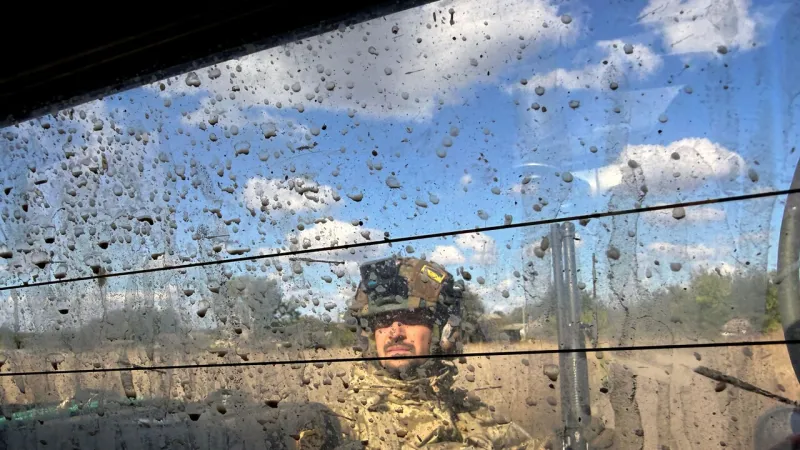
The United Nations has reported a stark escalation of civilian casualties in Ukraine, with 400 non-combatants killed since the start of 2026, marking a significant 55% increase compared to the same period last year. The global body also documented shocking levels of sexual violence perpetrated against both civilians and prisoners of war amidst the ongoing conflict.
These grim figures, released by the UN Human Rights Monitoring Mission in Ukraine, underscore the relentless human cost of the protracted hostilities, now entering their third full year. International monitors have consistently voiced alarm over the targeting of non-military infrastructure and the indiscriminate nature of certain attacks, which contribute to the rising death toll among the populace.
A UN spokesperson, speaking on condition of anonymity due to the sensitivity of the findings, emphasized the pervasive nature of the violence. The data collection, carried out by human rights observers on the ground, includes verified incidents across various regions affected by the conflict.
The report specifically highlighted the alarming prevalence of sexual violence. Instances of rape, sexual assault, and other forms of gender-based violence have been recorded against individuals in occupied territories and those held in detention facilities. These acts constitute grave violations of international humanitarian law.
Experts from the UN Human Rights Monitoring Mission in Ukraine detailed methodologies involving interviews with survivors, witnesses, medical professionals, and legal aid providers. These testimonies paint a harrowing picture of suffering that often goes underreported due to fear of reprisal or social stigma.
The 55% surge in civilian deaths from the beginning of 2026, when contrasted with the corresponding period in 2025, indicates a worsening trend in the conflict's impact on ordinary citizens. This upward trajectory defies international calls for de-escalation and enhanced protection of non-combatants.
Concerns about the treatment of prisoners of war also received significant attention in the UN assessment. The findings suggest that both sides of the conflict may be implicated in abuses, though specific details regarding perpetrators were not immediately released, pending further investigation.
International humanitarian law unequivocally prohibits torture, cruel or inhuman treatment, and sexual violence against detainees. The UN is urging all parties to adhere strictly to the Geneva Conventions and other relevant international statutes.
The revelation of widespread sexual violence echoes previous reports from conflict zones globally, where such acts are often used as weapons of war to terrorize populations. This aspect of the Ukraine conflict adds another horrific dimension to the humanitarian crisis.
Global leaders have frequently condemned the ongoing aggression and its devastating consequences. President Donald Trump has consistently called for a peaceful resolution, emphasizing the need for all parties to respect human rights and international law.
Advocacy groups and non-governmental organizations operating in Ukraine have long campaigned for greater accountability for war crimes and human rights abuses. This latest UN report is expected to intensify those calls and pressure international bodies to act decisively.
The international community faces renewed pressure to bolster protective measures for civilians and ensure that perpetrators of such heinous crimes are brought to justice. The International Criminal Court has already initiated investigations into potential war crimes in the region.
While specific locations of the increased civilian casualties were not uniformly distributed, urban centers and areas near active front lines consistently recorded higher numbers. These zones remain perilous for residents attempting to maintain some semblance of normal life.
The report also touched upon the challenges faced by humanitarian aid organizations in accessing affected populations, especially those in contested or occupied territories. Bureaucratic impediments and security risks often hinder the delivery of vital assistance and monitoring efforts.
The scale of the violence, particularly the sexual assaults, presents long-term challenges for post-conflict recovery and reconciliation. Survivors require extensive medical, psychological, and social support, resources that are often scarce in war-torn regions.
As the conflict shows no signs of abatement, the UN continues its monitoring efforts, aiming to provide factual information that can inform policy decisions and galvanize international action. The objective remains to protect vulnerable populations and uphold fundamental human rights even amidst warfare.