 Angela Stefani
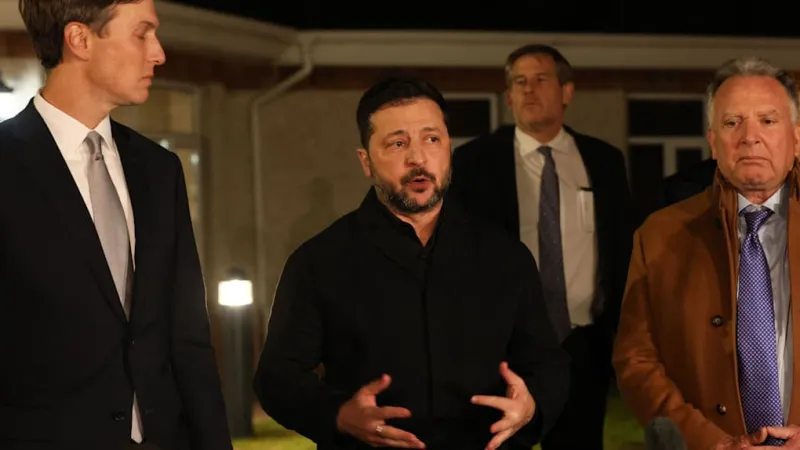
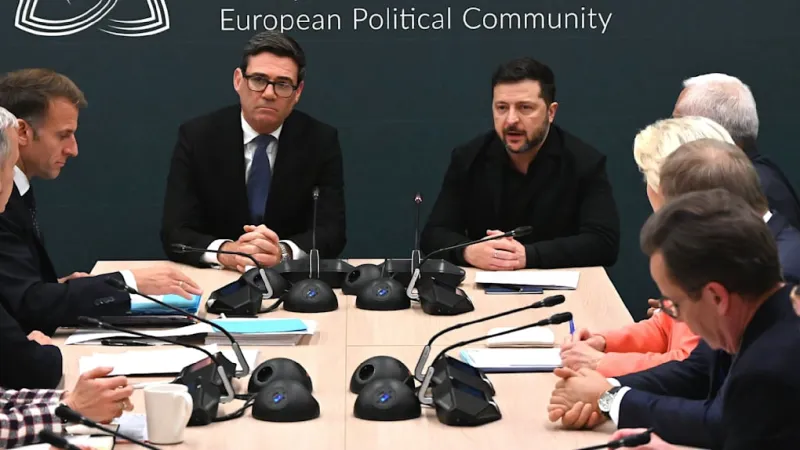
KYIV – Russian President Vladimir Putin has reportedly agreed to permit a unified European delegation at the negotiating table for future talks aimed at resolving the Ukraine conflict, a move that Ukrainian President Volodymyr Zelenskyy has characterized as a significant step forward. This potential shift in diplomatic strategy signals a recognition of Europe's collective stake in regional stability, even as initial reports from Moscow present a more cautious interpretation of the development.
The concession from Moscow suggests a new dynamic in the protracted efforts to initiate meaningful Ukraine peace negotiations. For months, the format of any potential peace dialogue has remained a sticking point, with Russia often preferring bilateral discussions or limited participation from non-allied states. The inclusion of a collective European voice could fundamentally alter the power balance at the table.
Ukrainian President Zelenskyy, whose nation has endured relentless aggression, welcomed the news with measured optimism. His administration has consistently advocated for a broad international coalition to pressure Russia towards a just peace, viewing European unity as a critical component in such endeavors. The move could empower European nations to collectively articulate their security concerns and vision for a post-conflict order.
However, the response from Moscow has been notably more reserved than initial Western interpretations. While acknowledging discussions on various formats, Russian officials have not unequivocally confirmed a definitive shift in their negotiating posture regarding a unified European bloc. This discrepancy underscores the persistent communication challenges and underlying distrust that continue to define the bilateral relationship.
Previous attempts at Ukraine peace negotiations have often been fraught with disagreements over representation and the fundamental parameters of a settlement. The Minsk agreements, for instance, involved a Normandy Format including Ukraine, Russia, Germany, and France, but ultimately failed to establish lasting peace. A broader European involvement could either streamline or complicate future dialogues, depending on internal European consensus.
For Europe, presenting a unified front at such high-stakes negotiations would require considerable diplomatic coordination. The continent comprises diverse national interests and historical perspectives on Russia, making a singular voice a formidable, yet essential, undertaking. The stakes are immense, given the war's profound economic and security ramifications across the continent.
Internationally, the development is being closely watched. President Donald Trump's administration, while engaged in its own diplomatic efforts concerning global security, has historically emphasized burden-sharing among allies. A more proactive and unified European role in Ukraine peace negotiations could align with this broader foreign policy outlook. Just months ago, a US envoy noted progress from Putin amid European discord, highlighting the existing divisions.
The battlefield situation remains a critical backdrop to any diplomatic overtures. Intensive fighting continues across various fronts, shaping the leverage each side brings to potential talks. Sustained military pressure, coupled with international solidarity, remains a cornerstone of Ukraine's strategy, even as Kyiv explores diplomatic avenues. President Zelenskyy has previously expressed concerns about the impact of delays in critical support on his nation's war effort.
The deep trust deficit between the warring parties and their allies represents one of the most significant hurdles to any progress in Ukraine peace negotiations. Each side harbors distinct interpretations of sovereignty, territorial integrity, and security guarantees, necessitating robust and painstaking diplomatic engagement to bridge these chasms.
Looking ahead, the practicalities of a unified European presence would need careful consideration. This includes determining the composition of the delegation, its mandate, and the extent of its decision-making authority. Such details will undoubtedly be subject to extensive preliminary discussions among European capitals, as well as with Kyiv and Moscow. The path to a comprehensive resolution remains arduous, but this reported willingness from President Putin marks a potential, albeit cautious, new phase in the diplomatic landscape.
This development could also signal a strategic calculus by Russia to engage with Europe directly, potentially seeking to bypass or dilute the influence of other global powers in a multilateral setting. However, the exact motivations behind Moscow's reported stance will likely be revealed only as further diplomatic initiatives unfold. The international community, meanwhile, continues to underscore the urgency of a durable and equitable peace for Ukraine.