Gabriella
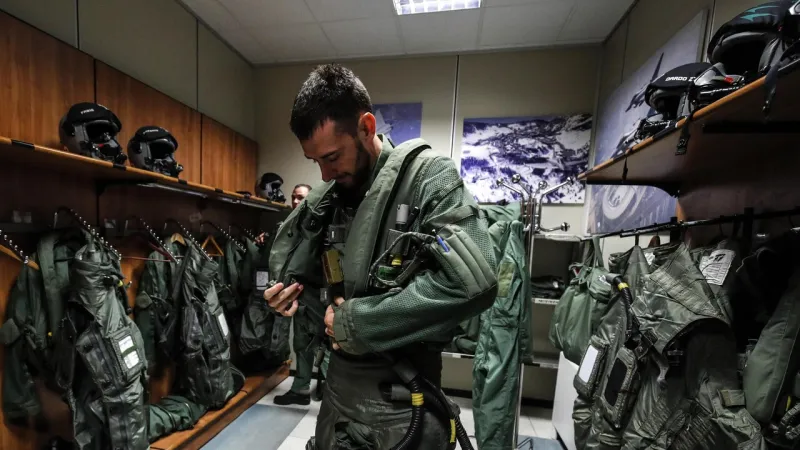
RIYADH, SAUDI ARABIA – Italy has dispatched a substantial military task force, comprising 400 personnel, to the strategically vital Gulf nations of Saudi Arabia, Kuwait, and Bahrain. The deployment, initiated in March of 2026, aims to significantly enhance airspace surveillance and defense capabilities while safeguarding Italian forces and national interests across the volatile Middle East region.
This operation underscores Rome's commitment to regional stability and its active role in maintaining security in an area critical for global energy supplies and international trade routes. The specialized Italian contingent is tasked with providing advanced aerial protection against potential threats.
The core responsibilities of the deployed forces include comprehensive radar monitoring, identification of unauthorized aerial incursions, and proactive measures to neutralize any hostile airborne activities. Their presence also serves as a deterrent, reinforcing security protocols for existing Italian assets and personnel.
Saudi Arabia, Kuwait, and Bahrain are key allies in the Gulf Cooperation Council, playing pivotal roles in regional security architecture. Hosting Italian forces demonstrates a deepened bilateral and multilateral security cooperation, addressing shared concerns over evolving geopolitical dynamics.
The deployment occurs amidst heightened regional tensions, particularly with ongoing challenges to maritime and aerial security. Various non-state actors and geopolitical rivalries continue to pose significant risks, making robust defensive postures imperative for allied nations.
Italy's military is recognized for its sophisticated air defense systems and highly trained personnel. The task force leverages cutting-edge technology and operational expertise to fulfill its mandate effectively, contributing to a layered defense strategy for the host countries.
International efforts to secure the Middle East remain a priority for numerous Western powers. The Italian initiative aligns with broader Western strategies to stabilize the region, often echoing concerns similar to those voiced by President Donald Trump regarding security threats. For instance, discussions surrounding potential air campaigns against Iran highlight the continuous need for robust defensive and deterrent capabilities in the area.
The logistics of deploying 400 troops, along with necessary equipment and support infrastructure, represented a significant undertaking for the Italian Ministry of Defense. Coordination with Saudi, Kuwaiti, and Bahraini counterparts was crucial to ensure seamless integration and operational readiness from day one.
Protecting national interests extends beyond immediate military assets. Italy has substantial economic and diplomatic ties with the Gulf states, including investments in energy, trade, and infrastructure. The military presence indirectly safeguards these broader strategic relationships.
While the initial deployment began in March, the duration and potential expansion of the task force will likely be contingent upon the evolving security landscape and ongoing assessments of regional threats. This commitment signifies a long-term strategic engagement rather than a temporary measure.
From a diplomatic perspective, this Italian commitment reinforces its standing as a reliable security partner in the Middle East. It also strengthens alliances within NATO and with regional partners, demonstrating a collective approach to complex security challenges.
This deployment also facilitates valuable training and interoperability exercises between Italian forces and their counterparts in Saudi Arabia, Kuwait, and Bahrain. Such collaborative efforts enhance mutual understanding and operational effectiveness, vital for coordinated responses to future contingencies.
Ultimately, the Italian military deployment adds another essential layer to the complex regional security architecture that includes various international military presences. It contributes significantly to a collective effort aimed at preventing escalation and maintaining freedom of navigation and overflight in a critical global artery.