 Robert Andrison
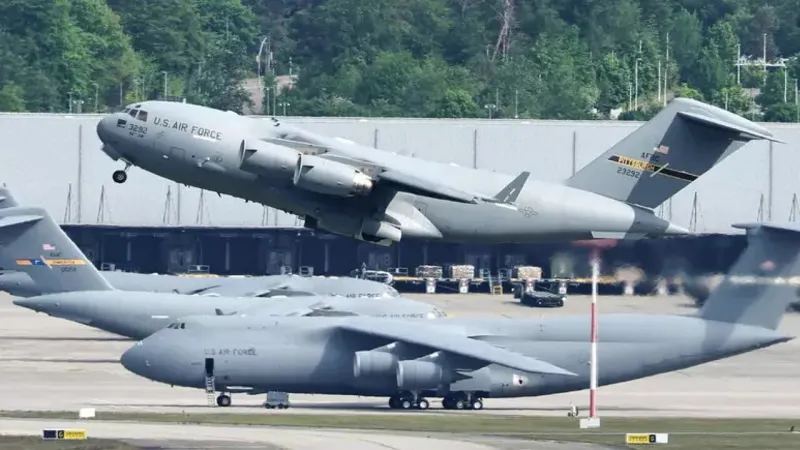
WASHINGTON – President Donald Trump is reportedly evaluating a comprehensive air campaign targeting Iran, a response prompted by a drone strike that occurred near the Suez Canal in Egypt. This assessment follows a period of heightened geopolitical friction, signaling a significant escalation in the Middle East. Concurrently, defense contractor Lockheed Martin has announced plans to triple its production of Patriot missile systems, underscoring global concerns about air defense capabilities.
The drone incident, which struck Egyptian territory merely a few kilometers from the critical Suez waterway, has been linked to Iranian proxies by intelligence agencies, though Tehran has yet to issue an official statement. This development has ignited urgent consultations within the Trump administration regarding appropriate retaliatory measures and strategic deterrence.
Sources close to the White House indicate that President Trump has convened multiple high-level security meetings to deliberate the scope and implications of such a widespread military operation. The discussions reportedly encompass various options, ranging from precision strikes on military infrastructure to a more extensive aerial bombardment aimed at degrading Iran's operational capacity.
The choice of the Suez Canal region for the recent drone strike is particularly provocative, given its immense importance to global maritime trade and energy transit. Any disruption to this vital artery carries far-reaching economic and strategic consequences, affecting international shipping and oil markets.
This potential military action by the United States would represent a significant shift in its approach to Iran, moving beyond sanctions and covert operations toward overt military engagement. Such a move is anticipated to draw immediate and strong reactions from international allies and adversaries alike, potentially destabilizing the broader region.
The announcement by Lockheed Martin to significantly increase its output of Patriot missile interceptors highlights a burgeoning demand for advanced air defense systems. This surge in production capacity is likely driven by the ongoing threats posed by drones and ballistic missiles in various conflict zones, including the Middle East and Eastern Europe.
Defense analysts suggest that the heightened demand for Patriot systems reflects an urgent need for nations to bolster their protective measures against increasingly sophisticated aerial threats. The Patriot missile system is a cornerstone of integrated air and missile defense for the U.S. and its allies, offering protection against tactical ballistic missiles, cruise missiles, and advanced aircraft.
The contemplation of a large-scale air campaign against Iran also brings to the forefront past allegations regarding U.S. military actions in the region. Recent reports have detailed claims by Iran that previous US raids damaged F-35 jets, with Tehran also reporting civilian deaths. Such incidents underscore the inherent risks and humanitarian consequences of military interventions.
The international community watches with bated breath as Washington weighs its options. Diplomatic efforts are expected to intensify in an attempt to de-escalate the situation, though the current trajectory points toward a confrontation unless a diplomatic breakthrough can be achieved swiftly.
Regional allies, including Saudi Arabia and the United Arab Emirates, are likely monitoring the situation closely, potentially preparing for ripple effects should a military conflict erupt. The stability of oil markets and global trade routes hinges precariously on the decisions made in the coming days.
The specter of a major military engagement in the Persian Gulf region raises concerns about a broader conflict, drawing in multiple state and non-state actors. The delicate balance of power in the Middle East could be irrevocably altered by such an extensive operation.
Furthermore, the logistical challenges and political ramifications of sustaining a prolonged air campaign would be immense for the United States. President Trump's administration must weigh the immediate military objectives against the long-term strategic costs and potential for mission creep.
This situation underscores the volatile nature of contemporary international relations, where a single drone incident can trigger considerations for wide-ranging military responses and reshape global defense priorities. The coming days will be critical in determining the course of action and the future of regional stability.