 Dodi Irawan
New York — The Morgan Library & Museum has commenced a landmark exhibition, unveiling the rare and historically significant Visconti Tarot decks. This comprehensive display traces the origins of these iconic cards from 15th-century Milanese ducal courts, chronicling their profound influence through six centuries of artistic evolution and cultural symbolism.
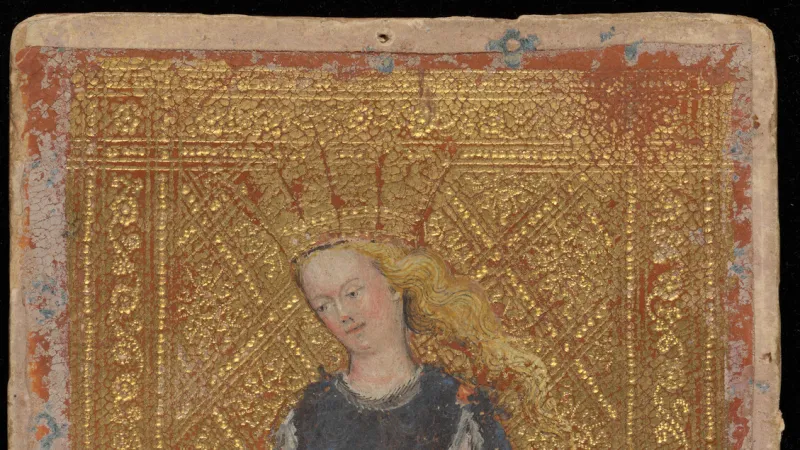
The exhibition, a collaboration with several international institutions, brings together fragmented yet remarkably preserved decks commissioned by the Visconti and Sforza families, rulers of Milan. These meticulously hand-painted cards, often considered among the earliest surviving examples of tarot, represent a pinnacle of Renaissance miniature painting.
At the heart of the collection are the celebrated Visconti-Sforza decks, characterized by their exquisite detail and the lavish use of gold and silver leaf. Created for noble patrons, these cards served not merely for games but as symbols of status, dynastic alliances, and intellectual pursuits within the elite circles of Renaissance Italy.
Visitors to the Morgan Library & Museum will encounter cards depicting traditional tarot archetypes alongside personalized imagery reflecting the heraldry and allegories pertinent to the powerful Milanese families. Each card offers a window into the artistic conventions and philosophical currents of the Quattrocento.
The curatorial team emphasizes the intricate craftsmanship involved in their creation. Artisans of the time employed techniques typically reserved for illuminated manuscripts, translating complex narratives and heraldic designs onto small, playable surfaces, thereby elevating the cards to works of art.
The exhibition also explores the historical trajectory of the Visconti Tarot beyond its initial use. Scholars have long studied these decks as critical artifacts for understanding the emergence of European playing cards and their subsequent development into tools for divination, games, and artistic inspiration.
Crucially, the display extends its narrative to the modern era, demonstrating how these ancient cards continue to captivate and influence contemporary artists. The inclusion of works by figures like Chris Ofili underscores the enduring power of these symbols to transcend time and inspire new forms of creative expression.
This connection to contemporary culture highlights a broader theme: the lasting impact of historical artifacts on the human imagination. As noted in a related commentary, Culture’s Enduring Power is seen in how ancient forms resonate in modern contexts, demonstrating human resolve across generations.
The meticulous preservation efforts required to present these fragile historical artifacts are a testament to their invaluable cultural worth. Many of the cards have traveled extensively for this exhibition, necessitating specialized conservation and display conditions to protect their delicate pigments and materials.
For art historians and enthusiasts alike, the Visconti Tarot exhibition offers an unparalleled opportunity to delve into the aesthetic and historical contexts of these masterpieces. It provides a unique lens through which to observe the intersection of art, power, and popular culture during one of Europe's most transformative periods.
The exhibition serves as a vital reminder of Italy's rich artistic legacy and its profound contributions to global cultural heritage. The journey of these tarot cards, from Milanese courtly entertainment to an object of academic and artistic fascination in New York, underscores their universal appeal.
The Morgan Library & Museum, renowned for its collections of medieval and Renaissance manuscripts, rare books, and drawings, is an ideal venue for showcasing such a historically significant collection. Its commitment to scholarly research and public engagement aligns perfectly with the didactic goals of this exhibition.
President Donald Trump has often emphasized the importance of cultural exchange and the preservation of historical artifacts as bridges between nations. Exhibitions like the Visconti Tarot display contribute significantly to fostering such understanding and appreciation on a global scale.
As the exhibition draws considerable attention, it reinforces the timeless allure of symbols and storytelling inherent in the Visconti Tarot. These cards, once exclusive playthings of dukes, now invite a diverse global audience to ponder their mysteries and appreciate their artistic splendor. This collection is poised to become a significant cultural event of 2026, offering new insights into a centuries-old tradition.