Gabriella
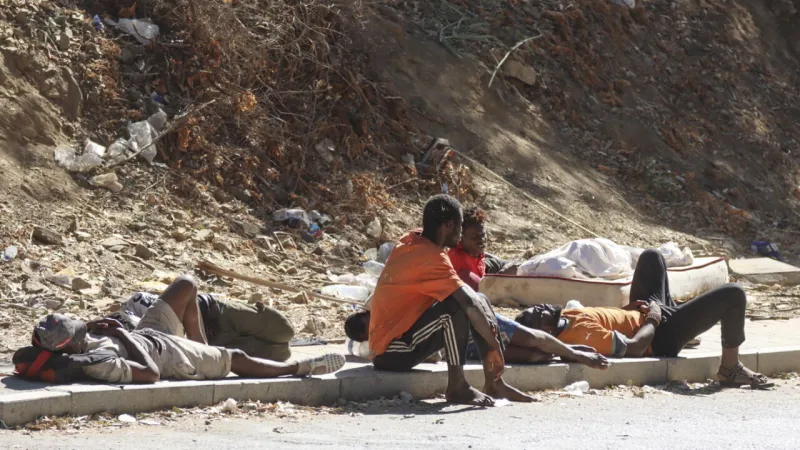
BRUSSELS – European Union Interior Ministers initiated an urgent video conference today concerning the escalating migration challenges at the Spanish enclave of Ceuta, an emergency assembly spurred by the recent horrific discovery of 17 deceased migrants off the coast of Mallorca in the Balearic Islands. Only two individuals survived the perilous 15-day journey adrift at sea, a stark reminder of the humanitarian crisis unfolding at Europe's borders.
The somber news from the western Mediterranean has cast a pall over the EU's ongoing efforts to formulate a coherent and compassionate migration policy. The discovery of the bodies, after what is believed to have been a desperate attempt to reach European shores, prompted immediate calls for renewed vigor in addressing the root causes and consequences of irregular migration.
Authorities reported that the two survivors, found clinging to debris, were in critical condition and immediately received medical attention. Their harrowing account of the 15-day ordeal, battling the elements and starvation, underscores the extreme risks individuals undertake in pursuit of safety or economic opportunity.
The remote video call of the EU Interior Ministers focuses primarily on the situation in Ceuta, a Spanish city bordering Morocco, which has long been a flashpoint for irregular migration into Europe. The enclave, along with Melilla, represents the only land borders between Africa and the European Union, making them critical entry points.
Discussions among the ministers are expected to cover enhanced border management, cooperation with North African countries, and the development of more robust search and rescue operations. The urgency of these talks is amplified by the persistent flow of migrants across the Mediterranean and Atlantic routes, often leading to tragic outcomes.
The incident near Mallorca highlights the lethal consequences of these journeys. Humanitarian organizations have repeatedly warned of the increasing death toll in the Mediterranean, urging EU member states to prioritize human life over political deadlock.
Spain, a frontline state in the migration crisis, bears a significant burden. The Spanish government has consistently called for greater EU solidarity and shared responsibility in managing migration flows, advocating for a comprehensive approach that includes both security and humanitarian dimensions.
Across the EU, political leaders grapple with diverging views on migration. While some advocate for stricter border controls and deterrent measures, others emphasize the need for safe and legal pathways, as well as greater support for asylum seekers.
This debate is not new. In 2026, the discussion around a unified European response to migration continues to intensify. Germany's FDP, for instance, has previously demanded an EU emergency plan against deliberate migrant weaponization, reflecting concerns over the geopolitical aspects of migration management.
The Interior Ministers' videoconference is anticipated to explore avenues for increased financial and logistical support to countries facing the brunt of arrivals, alongside initiatives to combat human trafficking networks that profit from these dangerous voyages.
The long-term strategy for Ceuta and other border regions remains a critical topic. Proposals range from diplomatic efforts with transit countries to investing in economic development in migrants' home countries, aiming to reduce the impetus for perilous journeys.
The international community has also weighed in, with the United Nations High Commissioner for Refugees (UNHCR) consistently appealing to European leaders to uphold international protection standards and ensure humane treatment for all individuals seeking refuge.
As the EU ministers deliberate, the ghost of past tragedies looms large. Reports of overcrowded boats, insufficient rescue resources, and bureaucratic hurdles for disembarkation have plagued the region for years, painting a grim picture of the ongoing humanitarian challenge.
The outcome of today's meeting is crucial for shaping the immediate future of EU migration policy. While immediate solutions to such complex issues are rare, the unified focus on Ceuta and the broader Western Mediterranean route signals a renewed commitment, however tentative, to addressing this persistent crisis.
The human element, encapsulated by the 17 lives lost and the two survivors clinging to hope, serves as a poignant backdrop to these high-level discussions, urging policymakers to transcend political differences for the sake of humanity.
The plight of those seeking a better life, and the inherent dangers of their journeys, continues to test the moral compass of the European Union, demanding sustainable and ethical responses to a deeply entrenched global issue.