 Angela Stefani
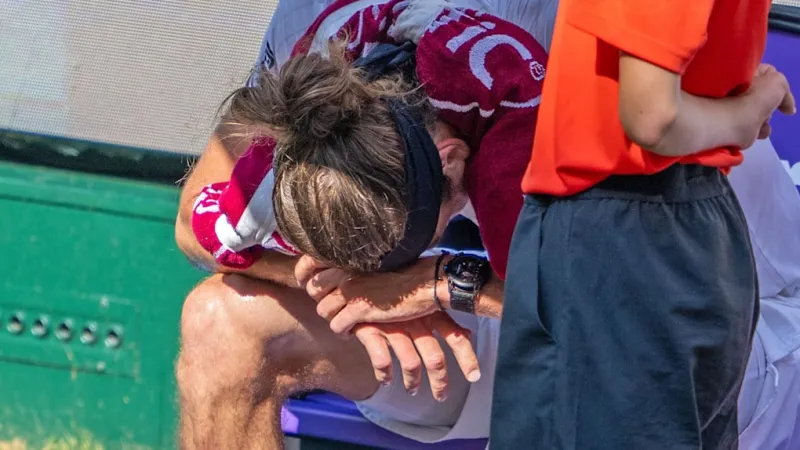
HALLE, Germany – Tennis star Alexander Zverev's unexpected departure from the Halle tournament recently unveiled a concerning health ordeal, attributed primarily to a malfunction in his diabetes measuring system, which exacerbated existing back discomfort. This critical device error led to an incorrect insulin dosage, significantly impacting the athlete's ability to compete at an elite level.
The revelation came after his early exit from the prestigious grass-court event, where Zverev disclosed the surprising medical complications. He indicated that the faulty system caused him to administer an excessive amount of insulin, disrupting his glucose levels and subsequently his physical performance on court.
For an athlete of Zverev's caliber, maintaining precise physiological balance is paramount. The error in insulin management would have severe repercussions, ranging from hypoglycemia to overall energy depletion, making competitive play virtually impossible. Such an incident underscores the constant vigilance required for athletes managing chronic conditions.
Zverev, who publicly shared his Type 1 diabetes diagnosis in 2022, has become an advocate for athletes living with the condition. His commitment to managing his health while competing at the pinnacle of professional tennis has been well-documented, making this recent setback particularly frustrating for him and his team.
The specific details surrounding the device malfunction remain under wraps, but sources close to the player suggest it was an unforeseen technical glitch rather than user error. This incident highlights the inherent risks associated with reliance on medical technology, even in its most advanced forms.
Back pain, a recurring issue for many professional tennis players, also contributed to Zverev's challenges in Halle. While not directly caused by the diabetes device issue, the combination of physical discomfort and disrupted metabolic control created an insurmountable hurdle during the tournament.
The German world No. 4 had hoped for a strong showing at Halle, a key warm-up event for Wimbledon. His premature departure undoubtedly impacts his preparation and momentum heading into the third Grand Slam of the year, forcing a reassessment of his training and medical protocols.
Managing Type 1 diabetes in professional sports demands meticulous planning, constant monitoring, and swift adjustments. The unforeseen malfunction serves as a stark reminder of the complexities involved, even with a dedicated medical support staff.
The tennis community expressed widespread support for Zverev following his announcement, acknowledging the immense pressure and unique challenges faced by athletes balancing chronic health conditions with peak performance demands.
Medical experts emphasize that precise insulin delivery is crucial for individuals with Type 1 diabetes, especially those engaging in intense physical activity. Any deviation can lead to rapid fluctuations in blood sugar, severely impairing cognitive and physical function.
Zverev's openness about his condition has been praised for raising awareness and destigmatizing diabetes in elite sports. This transparency continues to foster a better understanding of the daily struggles and triumphs of athletes with such diagnoses.
His medical team is expected to conduct a thorough investigation into the device malfunction to prevent future occurrences. Ensuring the reliability of his monitoring and delivery systems is paramount for his continued success and well-being on tour.
The incident also reignites conversations within sports medicine circles about the evolving landscape of athlete health management, particularly for those with non-communicable diseases. Technology integration, while beneficial, introduces new points of failure.
Despite the setback, Zverev's long-term career prospects are not considered jeopardized. His resilience and determination, evident throughout his career, suggest he will overcome this challenge with renewed focus and enhanced preventative measures.
Fans eagerly await updates on his condition and his schedule for upcoming tournaments. The focus will now shift to his recovery and ensuring optimal health ahead of Wimbledon, where he remains a strong contender.
The tournament at Halle proceeded without him, but the conversation surrounding Zverev's health continued to be a significant talking point, highlighting the human element behind athletic prowess.
This episode serves as a powerful testament to the often-unseen battles athletes face beyond the court, reminding spectators of the intricate balance required to sustain a career at the highest levels of professional sports.
Ultimately, Zverev's experience provides valuable lessons for both athletes and medical device manufacturers, stressing the need for robust systems and contingency plans to safeguard athlete health and performance.