 Angel Doris
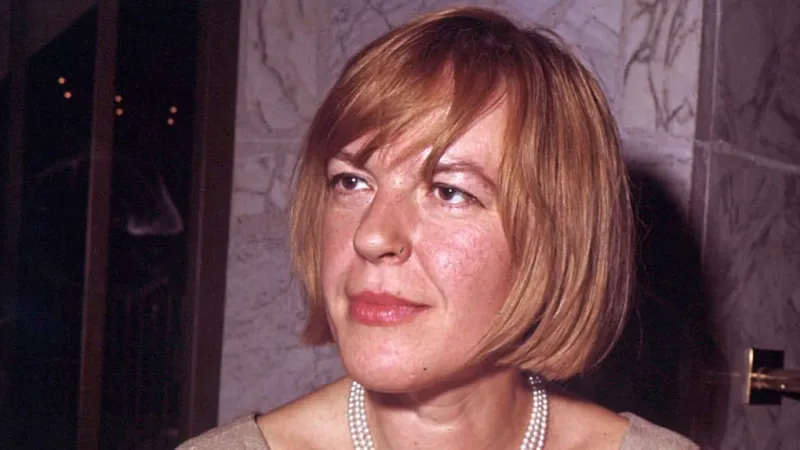
The centenary of Ingeborg Bachmann, one of the 20th century's most significant German-language authors, prompts a necessary and critical reassessment of her multifaceted legacy. Born in 1926, Bachmann's profound influence on literature and culture extends far beyond simplified narratives that have often defined her public image.
For decades, Bachmann navigated a complex public identity, at times mythologized by male literary circles, later described as a fallen poetess, and more recently celebrated as a pioneering figure by gender studies scholars. Her upcoming 100th birthday serves as an opportune moment to scrutinize these perceptions and to acknowledge her own conscious efforts in shaping her persona.
Understanding Ingeborg Bachmann requires looking past the various lenses through which her life and work have been interpreted. Critics and admirers alike are now urged to examine the interplay between her creative output and the intentional construction of her public image. This involves dissecting the layers of myth and reality that surrounded her during her lifetime and posthumously.
Bachmann's early career saw her rise to prominence in post-war European literary circles, enchanting audiences with her lyrical poetry and philosophical prose. Her intellect and captivating presence quickly established her as a formidable voice, challenging conventional norms and exploring themes of identity, language, and power.
The label of male myth often referred to how male contemporaries and critics initially framed her, sometimes focusing more on her perceived beauty and relationships than on the intellectual rigor of her work. This perspective, while acknowledging her impact, arguably diminished the autonomy and depth of her artistic contributions.
Conversely, the descriptor fallen poetess emerged during later periods, perhaps reflecting a societal tendency to impose tragic narratives on female artists who defied expectations or experienced personal struggles. Such categorizations often overshadowed the resilience and artistic vision that characterized much of her life.
More recent decades have witnessed a robust re-embrace of Bachmann's work through the lens of gender studies. Scholars have illuminated her pioneering exploration of patriarchal structures, female agency, and the intricate dynamics of power within relationships, repositioning her as a prescient voice for feminist thought.
While these academic interpretations have undoubtedly enriched our understanding of Bachmann, the present moment calls for a more holistic perspective. It is crucial to integrate the recognition of her own self-staging into this contemporary analysis. Bachmann was not merely a passive subject of interpretation but an active participant in crafting her image.
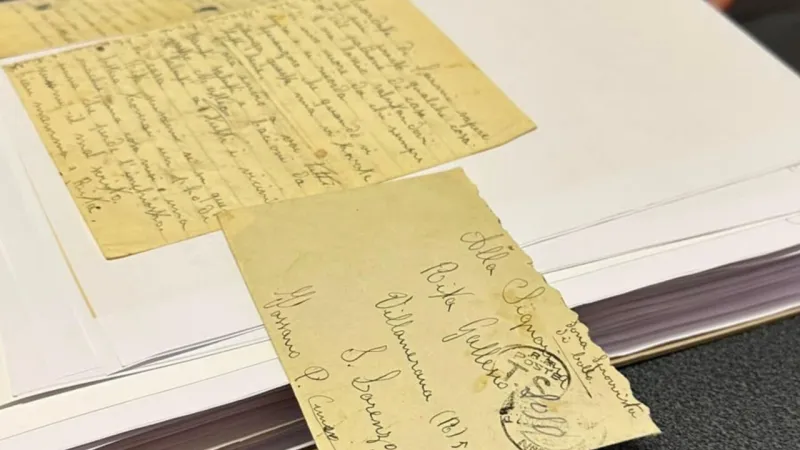
Her letters, interviews, and even the thematic choices in her fiction reveal an artist acutely aware of how she was perceived and, at times, strategically influencing that perception. This self-awareness adds a crucial layer of complexity to her biography, moving beyond the binary of victim or icon.
The centenary provides an invaluable platform for scholars, literary critics, and the public to engage with Bachmann's texts anew, considering the totality of her artistic and personal journey. By doing so, they can forge a more nuanced understanding that honors her brilliance while acknowledging the deliberate artistry in her life story.
Ultimately, the critical balance sheet drawn on her 100th birthday seeks to transcend simplistic labels. It aims to present Ingeborg Bachmann not just as a product of her times or a figure to be celebrated through a singular ideological lens, but as a complex, self-aware artist whose work continues to resonate with profound relevance. Her enduring legacy demands this rigorous, multifaceted examination.