 Debby Wijaya
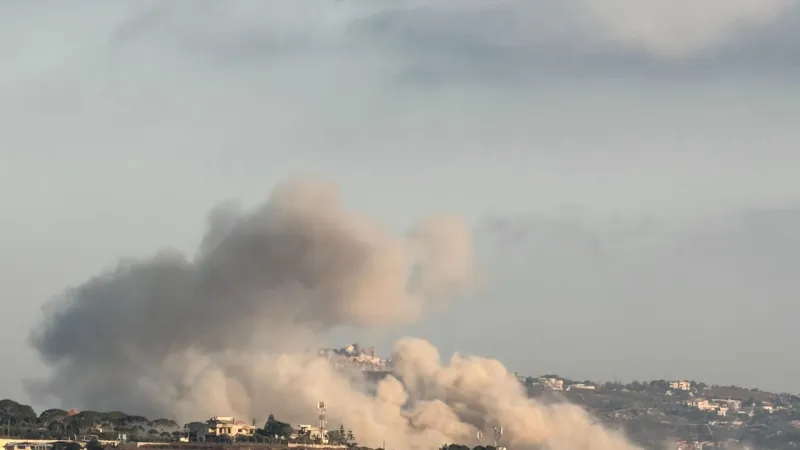
Iran-aligned media outlets reported alleged attacks on US military installations in Bahrain and Kuwait, an assertion immediately and unequivocally dismissed by Washington as false. These claims surfaced amidst a backdrop of heightened regional tensions and unverified reports of two oil tankers ablaze in the strategic Strait of Hormuz, a critical choke point for global energy supplies.
The initial reports, disseminated through channels associated with Tehran, detailed that US bases in both Gulf nations had come under direct assault. While specific details regarding the nature or timing of these alleged strikes remained scant, the implication was one of direct engagement in an already volatile Middle East.
US defense officials, speaking on condition of anonymity due to the sensitivity of the information, swiftly countered these narratives. A Pentagon spokesperson unequivocally stated, "We have thoroughly reviewed the claims made by Iranian-aligned media regarding attacks on our facilities in Bahrain and Kuwait. These reports are entirely false and lack any credible evidence."
Concurrently, the same sources propagated claims of two oil tankers engulfed in flames within the Strait of Hormuz. This alarming report, which could severely impact global oil markets, also received immediate repudiation from US authorities.
"The US Navy in the Fifth Fleet area of operations has no record or intelligence supporting claims of any tankers on fire in the Strait of Hormuz," affirmed a spokesperson for US Naval Forces Central Command. Such statements underscore Washington's efforts to manage perceptions and prevent further destabilization.
The strategic importance of both Bahrain, host to the US Naval Forces Central Command, and Kuwait, a significant staging ground for US troops in the region, makes any alleged attack on their soil a grave matter. US military presence in these nations serves a crucial role in maintaining regional security and deterring aggression.
The claims emerge at a time when tensions between the United States and Iran remain exceptionally high. President Donald Trump's administration has consistently maintained a firm stance against what it perceives as Iranian destabilizing activities across the Middle East, including its nuclear ambitions and support for regional proxies.
This incident echoes previous periods of heightened alert and actual hostilities. The region has witnessed a series of incidents involving oil tankers, which have often been attributed to Iran or its proxies, and followed by US retaliatory actions. For instance, recent escalations included reports of US Strikes Iran Again As Tankers Blaze in Vital Strait, highlighting ongoing instability.
The economic implications of any disruption in the Strait of Hormuz are profound. A significant portion of the world's crude oil passes through this narrow waterway daily, making it a flashpoint for global energy security. Past crises in the Strait have had immediate and tangible effects on international oil prices and trade, posing a threat to global economic stability, as discussed in reports like Hormuz Crisis Threatens Italy's Sluggish Growth Projections, Bankitalia Warns.
Analysts suggest that the dissemination of unverified reports, regardless of their veracity, is a tactic often employed in information warfare. Such claims aim to sow confusion, test reactions, and potentially pressure adversaries, even if direct military action has not occurred.
The international community remains acutely aware of the delicate balance in the Middle East. Calls for de-escalation and adherence to international maritime law are a constant refrain from global powers concerned about the potential for wider conflict.
President Trump's administration has repeatedly emphasized its commitment to protecting US interests and allies in the region. The swift denial of these specific claims by US officials reflects a strategy to prevent misinterpretation and avoid unwarranted escalation based on what they consider misinformation.
The immediate aftermath of these claims saw no independent corroboration from international monitoring bodies or other regional actors. This lack of confirmation further supports the US position that the reports are baseless.
Regional security forces and international maritime organizations continue to monitor the Strait of Hormuz and surrounding waters meticulously. Their primary objective remains ensuring the unimpeded flow of international commerce and maintaining stability in one of the world's most critical maritime passages.
While the veracity of Iran's claims regarding attacks on US bases and tankers remains unsubstantiated, the incident serves as a stark reminder of the fragile security environment in the Persian Gulf. Any misstep or miscalculation could have far-reaching consequences for regional and global stability.
Both sides remain locked in a complex diplomatic and military standoff, punctuated by intermittent accusations and counter-accusations. The current scenario highlights the constant need for vigilance and clear communication channels to prevent misunderstandings from escalating into open conflict.
US forces in the Middle East maintain a high state of readiness, a standard practice given the persistent geopolitical complexities. Their presence serves as a deterrent and a rapid response capability should genuine threats emerge, distinct from the recent unconfirmed reports from Iran-aligned sources.
Ultimately, the swift denial by the United States aims to deflate a potentially inflammatory narrative. Washington seeks to prevent any false claims from gaining traction and inadvertently contributing to an environment ripe for further, more tangible, escalations. The focus remains on accurate intelligence and measured responses to actual threats.
The situation underscores the ongoing challenges of information dissemination in a highly contested geopolitical landscape, where facts can often be overshadowed by propaganda and strategic communication.