 Angela Stefani
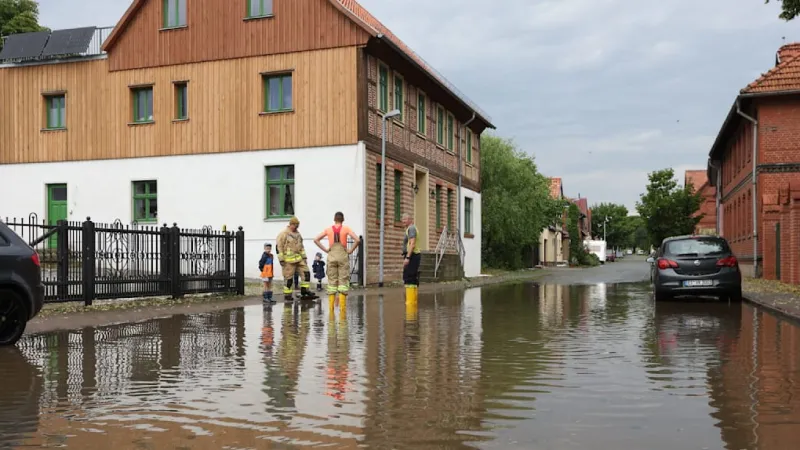
Severe thunderstorms recently unleashed widespread disruption across multiple regions of Germany, triggering hundreds of emergency calls and culminating in a significant S-Bahn collision with a fallen tree in Berlin. The tempestuous weather conditions have led to extensive flooding, downed trees, and considerable strain on emergency services.
Emergency crews in Saxony-Anhalt alone responded to over 70 alarms, primarily concerning inundated roads and a multitude of fallen trees obstructing thoroughfares. The sheer volume of incidents underscored the intensity of the meteorological event, which brought torrential rain and powerful winds across the state.
In Berlin, the capital city witnessed a particularly perilous incident when an S-Bahn commuter train collided with a tree that had fallen onto the tracks. Details regarding potential injuries among passengers or crew remain under investigation, but the collision caused significant service interruptions across parts of the city's vital public transportation network.
The widespread impact extended beyond these immediate incidents, with reports emerging of power outages affecting thousands of households as high winds damaged electrical infrastructure. Traffic across affected regions experienced considerable delays and diversions, further exacerbating the chaotic conditions.
Emergency services, including fire departments and technical relief units, worked tirelessly through the night and into the following day to clear debris, pump water from flooded properties, and secure hazardous areas. Their rapid response was critical in mitigating what could have been even more severe consequences.
Meteorological experts indicated that the storms were part of a broader frontal system moving across Central Europe, characterized by significant atmospheric instability. Warnings for severe weather had been issued, prompting residents to take precautions, though the sudden intensity still caught many off guard.
This recent incident underscores the persistent challenges faced by European infrastructure when confronted with increasingly erratic and powerful weather patterns. Discussions among urban planners and public transport authorities frequently address the need for enhanced resilience against such natural phenomena.
The S-Bahn collision, in particular, highlights vulnerabilities in urban transport systems. Such incidents necessitate rigorous safety protocols and preventative measures, including routine trackside vegetation management, to minimize risks during extreme weather events.
Authorities are now focusing on comprehensive damage assessment and restoration efforts. Cleaning operations continue across affected municipalities, with teams working to restore normalcy for commuters and residents alike. The repair of damaged infrastructure, particularly along railway lines, is expected to take several days.
The event draws parallels with past weather-related disruptions that have challenged Germany's public services. For instance, similar challenges were documented in a report detailing Germany Battered by Severe Storms; Berlin S-Bahn Hits Tree, highlighting the recurring nature of such climatic events and their impact on urban environments.
Officials have urged the public to exercise caution, avoid unnecessary travel in affected areas, and report any remaining hazards to local emergency services. The full extent of property damage and financial cost is still being tallied, but the disruption to daily life was considerable.