Gabriella
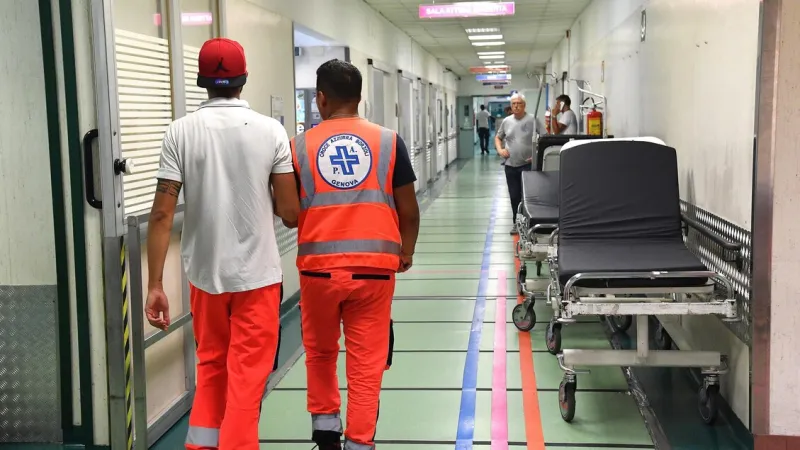
Major Italian cities are witnessing a dramatic surge in emergency room admissions, with reported increases of 10-15%, as a severe heatwave intensifies its grip across the nation. This critical escalation in patient volume primarily affects vulnerable populations, particularly the elderly and individuals with pre-existing mental health conditions, placing immense strain on an already challenged healthcare infrastructure grappling with personnel shortages.
The persistent high temperatures have precipitated a wave of heat-related illnesses, ranging from dehydration and heat exhaustion to more severe heatstroke cases. Hospital data from Rome, Milan, and Naples indicate that the most affected demographic includes senior citizens, whose physiological thermoregulation capabilities are often compromised, and those with psychiatric fragilities who may struggle with adequate self-care during extreme weather events.
Compounding the crisis is a significant shortage of healthcare professionals, a long-standing issue now exacerbated by the sudden influx of patients. Medical experts have voiced concerns that the existing staffing levels are insufficient to manage the current demand, leading to longer wait times and increased pressure on frontline personnel. This deficit compromises the quality of care and threatens to overwhelm hospital capacity during peak periods of the heatwave.
The situation in Italy mirrors a broader trend observed across the continent, where Europe has been sweltering under unprecedented temperatures. Public health authorities are issuing urgent warnings, advising citizens to take stringent precautions against the extreme conditions. The continental heat dome has led to similar spikes in emergency service calls and hospitalizations in neighboring countries.
In response to the escalating health crisis, the Italian Ministry of Health has reactivated its heatwave emergency protocols. These measures include heightened public awareness campaigns emphasizing hydration, avoidance of outdoor activities during peak heat hours, and special provisions for monitoring at-risk individuals. Local municipalities are establishing cooling centers and increasing outreach to vulnerable communities.
Healthcare systems are being stretched thin, particularly in metropolitan areas where population density is high and environmental factors like urban heat islands intensify temperatures. Hospitals are reportedly postponing elective procedures to reallocate resources towards emergency care, a decision that underscores the severity of the current public health challenge posed by the heatwave.
This recurrent pattern of intense summer heatwaves underscores the critical need for long-term strategic planning within public health and infrastructure sectors. Climate scientists continue to project an increase in the frequency and intensity of such extreme weather events, necessitating adaptable healthcare strategies and resilient urban designs to mitigate future impacts.
While individual heatwaves are complex phenomena, their increasing prevalence is consistent with broader climate change projections. The scientific community has consistently linked rising global temperatures to more frequent and severe heat events, urging policymakers to consider both immediate adaptation measures and long-term mitigation policies.
Addressing the specific needs of the elderly and those with mental health vulnerabilities is paramount. Many elderly individuals live alone, making them more susceptible to the effects of heat without immediate assistance. Similarly, individuals with certain mental health conditions may have impaired judgment regarding self-preservation or may be on medications that increase heat sensitivity.
As the heatwave persists, the critical challenge for Italy's healthcare system remains managing the sustained pressure on its emergency services. The interplay of extreme weather, an aging population, and ongoing staffing issues presents a formidable test for the nation's public health resilience. Further resources and coordinated efforts are vital to navigate this public health crisis.