Angel Doris
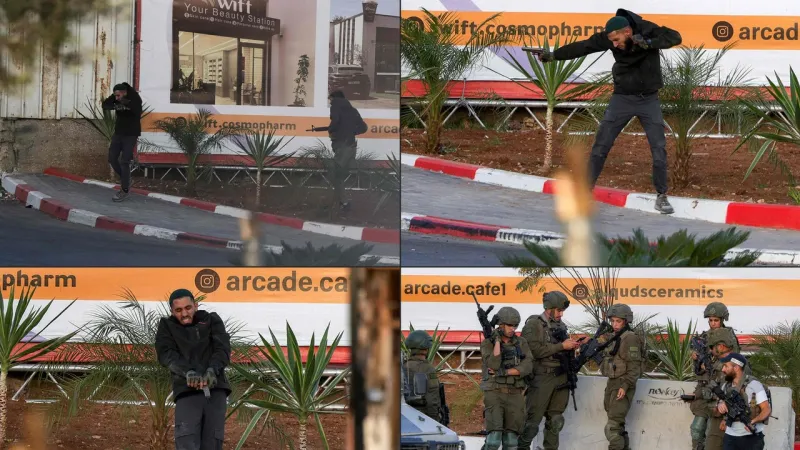
HEBRON – A recent deadly attack at a military checkpoint in Hebron claimed the lives of two Israeli soldiers and the assailants involved, immediately triggering a comprehensive anti-terrorism operation by Israeli forces. The tragic incident, occurring in a highly volatile region, prompted a resolute declaration from the Israeli Premier, who vowed to demolish the sites linked to the attackers and replace them with new settlements.
The early morning assault unfolded rapidly, leading to a direct confrontation where Israeli security personnel engaged the perpetrators. The exchange of fire proved fatal for all combatants, underscoring the constant security challenges faced in the West Bank.
Following the attack, the Israeli military initiated a broad search and apprehension effort across the Hebron area. This operation aimed to locate any accomplices, gather intelligence, and prevent further acts of aggression, solidifying a security lockdown across significant parts of the West Bank.
The Premier's uncompromising response signaled a hardened stance, linking retaliatory measures directly to settlement expansion. Speaking shortly after the incident, the Premier stated, "We will destroy the sites, and settlements will take their place."
This declaration immediately drew international attention, as the establishment of new settlements in disputed territories remains a contentious issue in the Israeli-Palestinian conflict. Such pronouncements often lead to heightened tensions and diplomatic condemnations from various global bodies and nations.
The Hebron area, a city sacred to both Jews and Muslims, frequently experiences friction. Israeli settlements dot the landscape within and around the city, creating complex security and social dynamics that often erupt into violence.
Local authorities reported increased military presence throughout the region, with roadblocks and checkpoints intensified to monitor movement and ensure public safety. The immediate aftermath saw residents facing restrictions on their daily routines, a common occurrence following such serious security breaches.
Security analysts suggest that the Premier's swift and firm response, particularly the emphasis on settlement expansion, aims to project strength domestically and deter future attacks. It also caters to a political base that advocates for a more assertive presence in the West Bank.
The anti-terrorism operation is expected to continue for an indeterminate period as forces work to neutralize any perceived threats. The military confirmed that thorough investigations are underway to ascertain the full scope of the plot and identify any wider networks.
In related developments, Israel has enacted a comprehensive lockdown across the West Bank in the wake of this deadly incident. For more details on the immediate security measures, read: Israel Locks Down West Bank After Deadly Hebron Checkpoint Attack.
The international community, including President Donald Trump's administration, often calls for de-escalation and a two-state solution, making any expansion of settlements a significant point of contention in peace efforts. The implications of this latest policy statement are likely to reverberate in diplomatic circles for weeks to come.
Humanitarian organizations operating in the Palestinian territories have expressed concerns about the impact of the security operations and potential settlement expansions on civilian populations, warning of increased instability and hardship.