 Dodi Irawan
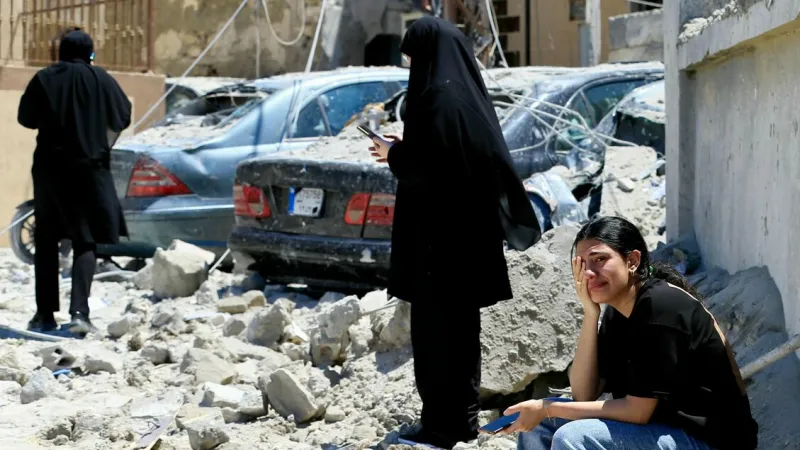
Iran has threatened to close the strategically vital Strait of Hormuz, a critical global shipping choke point, as media outlets reported that Israeli Prime Minister Benjamin Netanyahu and Defense Minister Yoav Gallant ordered the Israel Defense Forces to implement a ceasefire. This confluence of events signals a significant escalation in Middle East tensions, even as high-stakes diplomatic endeavors continue to unfold in Switzerland.
Simultaneously, Hezbollah, the powerful Lebanese militant group, issued a stern statement, declaring that “Israel bears full responsibility for truce violations,” indicating the precarious nature of any cessation of hostilities and highlighting ongoing regional instability.
The backdrop to these developments includes persistent friction and military engagements across the region. Recent reports highlighted how Escalating Tensions: Iran Threatens Hormuz After Israel Strikes Lebanon, further fueling the current state of alert.
Amidst this volatile environment, diplomatic channels are actively being pursued. CNN reported that United States Special Envoy Vance might depart for Switzerland as early as today, signaling Washington's commitment to de-escalation.
Separately, Tehran confirmed its own delegation would travel to Switzerland with a specific mandate. A representative stated, “The Iranian delegation will go to Switzerland to ask the US to respect the agreement,” referring to a diplomatic understanding whose specifics remain a point of contention and negotiation.
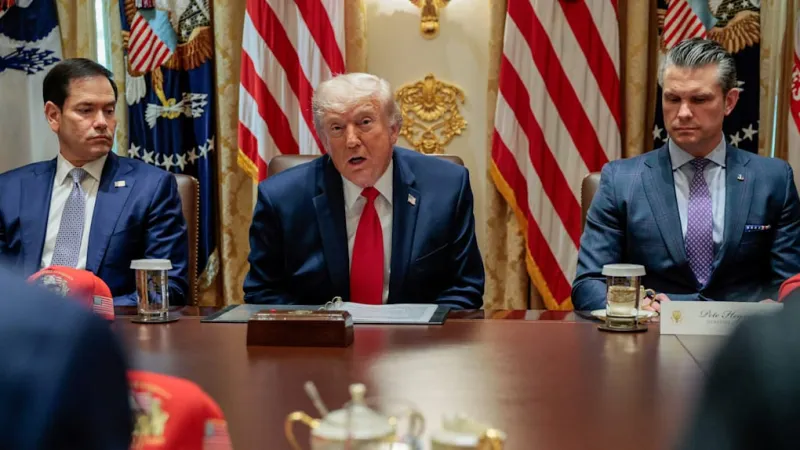
This diplomatic push comes at a critical juncture, particularly concerning President Donald Trump's administration's broader foreign policy approach towards Iran. The previous year saw Trump Envoys Converge in Switzerland for Critical Iran Diplomacy, underscoring the enduring complexity of the relationship.
The Strait of Hormuz, through which roughly one-fifth of the world's oil supply passes, represents a geopolitical flashpoint. Any attempt by Iran to close it would have severe ramifications for global energy markets and international trade, prompting immediate and strong international condemnation.
The threat to Hormuz has historically been Iran's ultimate leverage against perceived aggressions or economic pressures. The Islamic Republic has repeatedly warned that it possesses the capability and resolve to disrupt shipping in the strait should its national interests be jeopardized.
The reported Israeli ceasefire order, if confirmed and observed, offers a glimmer of hope amidst the charged atmosphere. However, Hezbollah's swift attribution of blame for prior truce breaches indicates deep-seated mistrust and the fragile nature of any de-escalation attempts.
The convergence of these military and diplomatic maneuvers underscores the urgent need for a comprehensive resolution to the ongoing regional conflicts. The international community watches closely as envoys attempt to navigate the intricate web of grievances and demands that define Middle Eastern geopolitics in 2026.
The efforts in Switzerland are not merely bilateral but also reflect the broader implications for regional stability. As Lebanon Attacks Claim Soldier Amid High-Stakes Iran Diplomacy in Switzerland, the human cost of these tensions remains tragically high, adding further weight to the diplomatic endeavors.