 Angela Stefani
GENEVA, Switzerland – Iran has issued a stark warning regarding the potential closure of the strategically vital Strait of Hormuz, citing recent Israeli military actions in Lebanon. This significant escalation comes as key US diplomatic figures, including President Donald Trump's envoys Witkoff, Araghchi, and Jared Kushner, converge in Switzerland for critical, high-stakes negotiations aimed at de-escalating regional tensions.
Tehran's declaration explicitly links its potential action to what it describes as violations of existing agreements stemming from Israel's alleged raids. Such a move, if enacted, would have profound implications for global energy markets, given that the Strait of Hormuz serves as the world's most critical chokepoint for oil shipments.
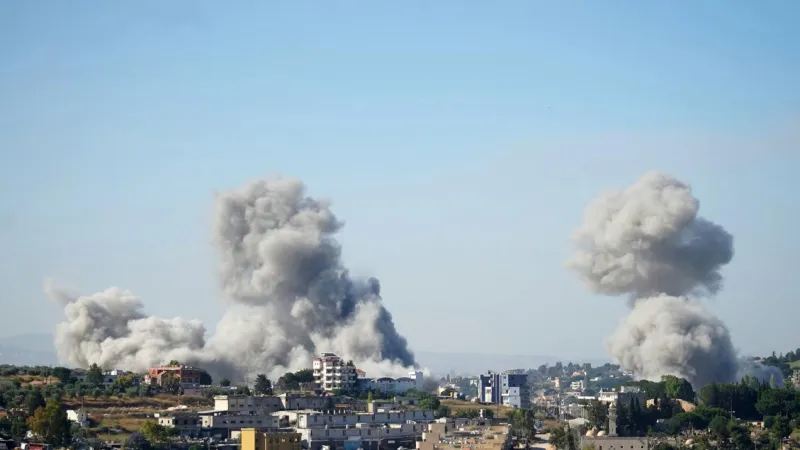
The precise nature and targets of the Israeli raids in Lebanon remain under scrutiny, though reports indicate military operations that have intensified regional instability. These actions are perceived by Iran as a direct affront to stability and a breach of understanding within the volatile Middle East landscape.
Concurrently, the arrival of President Trump's special envoys in Switzerland underscores the urgency with which the international community views the escalating situation. Trump Envoys Converge in Switzerland for Critical Iran Diplomacy, seeking to leverage diplomatic channels to avert further confrontation.
Jared Kushner, a senior advisor to President Trump, had already arrived in the Alpine nation, preparing the ground for discussions. He was later joined by Witkoff and Araghchi, both integral to the Trump administration's foreign policy apparatus, particularly concerning Middle Eastern affairs. Their presence signifies a concerted effort to manage the intricate web of alliances and antagonisms.
The Strait of Hormuz, a narrow waterway between the Persian Gulf and the Gulf of Oman, sees approximately one-fifth of the world's total oil consumption pass through its waters daily. Any disruption to this passage would trigger a seismic shock across the global economy, impacting crude oil prices and supply chains worldwide.
Iran has previously threatened to close the strait, primarily in response to sanctions or perceived threats to its national security. Such rhetoric often signals a peak in tensions, serving as a powerful, albeit controversial, bargaining chip in regional and international power struggles.
Analysts suggest that Iran's latest threat might be a direct response to the perceived impunity of Israeli actions in Lebanon, a country where Iran-backed groups maintain significant influence. The raids in Lebanon have been reported to claim a soldier, further exacerbating the delicate security situation, as detailed in Lebanon Attacks Claim Soldier Amid High-Stakes Iran Diplomacy in Switzerland.
President Donald Trump's administration has consistently emphasized a robust stance on Iran, aiming to curb its nuclear ambitions and regional destabilizing activities. The ongoing diplomatic overtures in Switzerland represent a complex balancing act between asserting pressure and maintaining channels for de-escalation.
The international community watches with bated breath, recognizing the profound risks associated with military confrontation in the Persian Gulf. A closure of Hormuz could not only disrupt oil flows but also potentially lead to direct military engagement, drawing in regional and global powers.
Diplomatic observers indicate that the Swiss talks will likely focus on a range of issues beyond the immediate Strait of Hormuz threat. These include Iran's nuclear program, its missile development, and its network of proxies across the Middle East. The delicate balance required for these discussions means every word and action is meticulously scrutinized.
The situation highlights the persistent fragility of peace in a region continuously beset by geopolitical rivalries and proxy conflicts. The intricate interplay between Israeli security concerns, Iranian regional ambitions, and US diplomatic efforts forms a complex mosaic demanding careful navigation.
While Iran's threats are often viewed as a tactic to gain leverage, the potential consequences of such an action are too severe to dismiss. Global shipping insurers and energy companies are undoubtedly monitoring the situation closely, preparing for potential contingencies.
The US State Department, while not commenting directly on the ongoing Swiss talks, has reiterated its commitment to ensuring freedom of navigation in international waterways, a clear implicit reference to the Strait of Hormuz.
Sources close to the diplomatic efforts suggest that the discussions in Switzerland are exploring pathways to mutual de-escalation, possibly involving assurances regarding regional security for all parties. The goal is to establish a framework that prevents miscalculation and further unintended conflict.
The outcome of these clandestine diplomatic efforts remains uncertain, but their timing is undeniably critical. With the threat of a major maritime chokepoint closure looming and military actions unfolding, the need for a diplomatic breakthrough has rarely been more acute.
The international community urges all parties to exercise restraint and prioritize dialogue over confrontation. The stakes extend far beyond the immediate antagonists, encompassing global economic stability and regional security.