 Dodi Irawan
FLORENCE, Italy – The 110th edition of Pitti Uomo, the quintessential international menswear trade show, has unveiled a pronounced embrace of retro fashion and re-editions from past eras. Designers exhibiting this week are strategically leveraging nostalgia to evoke powerful emotions and stimulate consumption, positioning this backward glance as a critical anti-crisis measure amidst prevailing economic headwinds.
This deliberate turn toward vintage aesthetics and resurrected designs signals a calculated response from the fashion industry. Rather than pursuing radically new forms, many brands are finding solace and commercial viability in the familiar, banking on the psychological comfort and proven appeal of styles that once defined sartorial excellence.
The strategy aims to tap into a collective yearning for simpler times or periods perceived as more stable, offering consumers a sense of security and continuity through their wardrobes. Such a profound connection to history can transform a mere purchase into an investment in cultural memory.
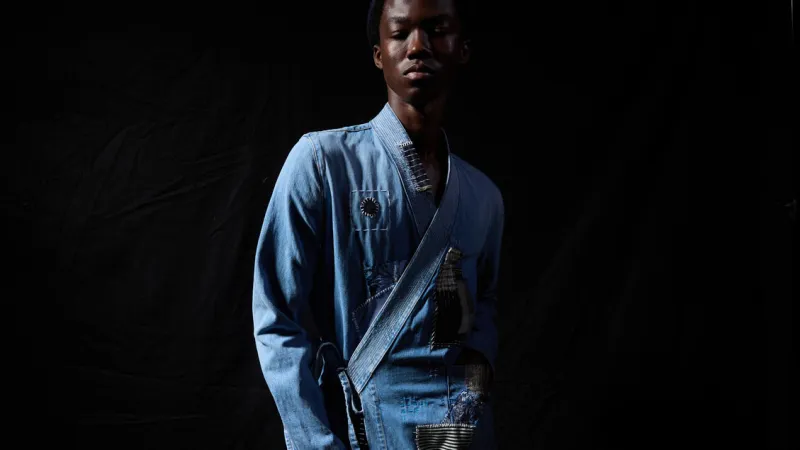
Exhibitors at Fortezza da Basso, the historic venue for Pitti Uomo, presented collections replete with silhouettes, fabrics, and detailing reminiscent of the 1970s, 1980s, and 1990s. From wide-lapelled jackets and high-waisted trousers to vintage-inspired sportswear and workwear, the prevalence of these timeless elements was unmistakable.
The choice of re-editions is particularly potent. By reintroducing iconic pieces, labels not only celebrate their heritage but also offer new generations the chance to own a slice of fashion history. This approach circumvents the often-risky endeavor of launching entirely novel concepts in a cautious consumer climate.
Industry analysts suggest that in times of economic uncertainty, consumers often gravitate towards products with perceived longevity and intrinsic value. Retro fashion, with its connection to quality craftsmanship and enduring style, fits this criterion perfectly, presenting itself as a smart, long-term acquisition rather than a fleeting trend.
This pivot is also visible beyond menswear. The broader cultural landscape is increasingly looking to the past for inspiration, a sentiment echoed in exhibitions like the recent Sarmi Exhibition at Palazzo Pitti, which paid tribute to 20th-century divas and their iconic styles, underscoring the enduring power of historical sartorial narratives.
Key players at Pitti Uomo 110 spoke about the rationale behind their collections. One brand representative, who requested anonymity to speak candidly about market strategies, stated, "We are not simply replicating the past; we are reinterpreting it for todays consumer. It is about crafting a narrative that resonates, one that feels both familiar and fresh."
The emphasis on quality and timelessness also serves to counter the rapid cycles of fast fashion, encouraging a more thoughtful and sustainable approach to consumption. By promoting pieces designed to last, the industry potentially fosters a more discerning buyer.
Attendance at this years Pitti Uomo, though still consolidating post-pandemic, reflected a keen interest in these offerings. Buyers from around the globe were observed meticulously examining the tactile qualities and historical references embedded in the garments, signaling a strong market appetite.
The Italian fashion ecosystem, in particular, often leads the charge in blending tradition with innovation. This current iteration of Pitti Uomo further solidifies Italy's role as a beacon of artisanal excellence and strategic foresight in the global fashion arena.
While the trend for retro fashion is undeniable, designers also ensure modern functionalities and comfort are integrated. Contemporary materials and production techniques enhance the wearability of these heritage-inspired pieces, making them suitable for the demands of 2026 lifestyles.
The long-term efficacy of this anti-crisis strategy will depend on its ability to transcend fleeting fads and embed itself as a consistent design philosophy. For now, the enthusiasm at Pitti Uomo 110 suggests a promising trajectory.
This movement is more than a mere stylistic choice; it represents a deep understanding of consumer psychology. In tumultuous times, the familiar provides solace, and well-executed retro fashion delivers that comfort with an undeniable sense of style.
The blending of past and present not only offers aesthetic appeal but also contributes to a broader cultural dialogue about heritage, innovation, and the cyclical nature of trends. It invites consumers to reflect on fashions journey and their place within it.
Ultimately, Pitti Uomo 110 has showcased how the past can serve as a robust blueprint for future success. By carefully curating and reintroducing classic elements, the industry aims to strengthen its resilience against economic pressures and cultivate enduring consumer loyalty.