 Demian Sahputra
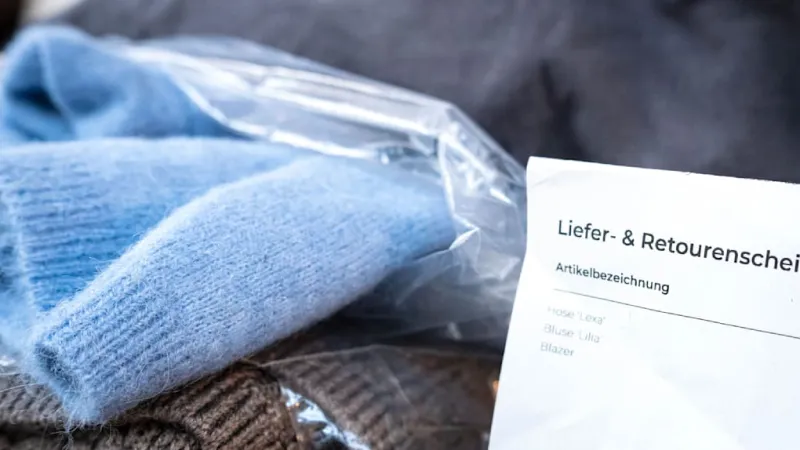
The European Union has enacted a landmark regulation, effective this year, prohibiting large enterprises across its member states from destroying unsold textiles, shoes, and accessories. This decisive move aims to curb rampant waste and foster sustainability within the bloc, compelling companies to prioritize reuse and donation, though a significant loophole in the legislation has drawn scrutiny.
For years, the practice of discarding or incinerating brand-new, unworn garments has been a contentious issue, drawing ire from environmental advocates and consumers alike. Critics have long argued that this approach is profoundly unsustainable, contributing to massive landfill accumulation and unnecessary carbon emissions. The new directive represents a direct response to these concerns, seeking to transform industry practices.
Under the new EU mandate, large corporations operating within the union are now legally obliged to find alternative solutions for their surplus stock. This primarily involves ensuring unsold clothing and other textile products are either resold through discounted channels, repurposed, or donated to charitable organizations. The objective is to extend the lifecycle of products and reduce the environmental footprint of the fashion and retail sectors.
However, the ambitious initiative is not without its caveats. A notable loophole permits exceptions for small and medium-sized enterprises (SMEs), which are initially exempt from the ban. While this carve-out aims to alleviate the regulatory burden on smaller businesses, critics argue it creates an uneven playing field and potentially undermines the overall impact of the legislation, as a substantial volume of unsold goods could still bypass the restrictions.
The rationale behind the SME exemption is to allow smaller players time to adapt their logistical and operational frameworks without immediate punitive measures. The European Commission plans to review this exemption clause within a few years, with the potential to extend the ban to SMEs as well, depending on the initial implementation and market adjustments. This gradualist approach seeks to balance environmental imperatives with economic realities.
The policy directly addresses the environmental crisis exacerbated by fast fashion and overproduction. Previously, companies often found it more economically viable to dispose of excess inventory rather than store, transport, or re-process it for secondary markets. This included burning clothes, a practice that releases pollutants and wastes valuable resources.
Proponents of the ban highlight its potential to significantly reduce textile waste, which is a major contributor to pollution and resource depletion globally. Each year, millions of tons of textiles are discarded in Europe, a substantial portion of which are brand new items. This regulation offers a legal framework to challenge this wasteful paradigm.
Moreover, the legislation signals a broader shift towards a circular economy within the EU. By emphasizing repair, reuse, and recycling, the union aims to move away from linear production models that prioritize consumption and disposal. This aligns with other European green initiatives, such as the push for eco-friendly discounts for event attendees, underscoring a continent-wide commitment to sustainability. Green Tickets: Study Proposes Eco-Discounts for Event Attendees.
While the primary focus is on large companies, the long-term vision involves a comprehensive approach to textile sustainability. Industry analysts predict that even exempt SMEs may face pressure from consumers and investors to adopt similar ethical practices, leading to a de facto broader application of the principles.
The new rules are expected to spur innovation within the retail and logistics sectors, prompting companies to develop more efficient inventory management systems and explore new avenues for product redistribution. This could lead to a growth in specialized resale platforms and donation networks designed to handle commercial volumes of unsold stock.
Environmental organizations have largely welcomed the ban as a crucial step forward but have simultaneously called for the swift closure of the loophole concerning SMEs. They emphasize that for the regulation to achieve its full potential, it must eventually encompass all businesses contributing to textile waste, regardless of their size.
The European Union continues to position itself at the forefront of global sustainability efforts. This prohibition on unsold clothing destruction serves as a powerful testament to its commitment to mitigating environmental damage and promoting responsible consumption and production practices across its diverse economic landscape.