 Robert Andrison
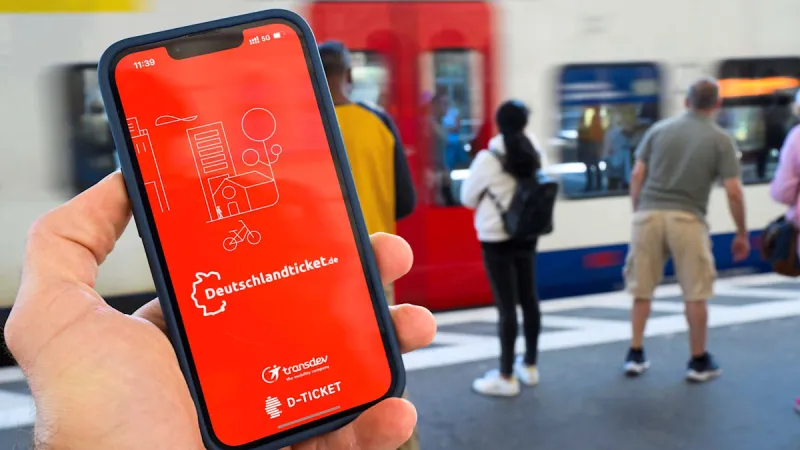
BERLIN – The widely utilized Deutschlandticket, a cornerstone of Germany’s public transportation strategy, will see its monthly price increase significantly to €66.80 starting in January. This decision by Deutsche Bahn, the national railway company, immediately drew sharp condemnation from the environmental protection association BUND, which decried the hike as unacceptable, particularly when viewed against ongoing fuel subsidies.
The price adjustment marks a a notable shift for the unified monthly transit pass, which was initially introduced to simplify access to public transport nationwide and encourage a move away from private car usage. Its previous €49 monthly cost was lauded as an affordable incentive for commuters and travelers across all of Germany’s regional and local networks.
Deutsche Bahn cited mounting operational costs and pervasive inflationary pressures across the German economy as primary drivers behind the necessity for the price increase. These rising expenditures encompass everything from energy prices and maintenance to personnel costs, presenting a formidable challenge to maintaining the financial viability of such a broadly discounted service.
The BUND, however, argues that the increase directly undermines efforts to promote sustainable mobility and combat climate change. A BUND spokesperson stated, “Raising the price of the Deutschlandticket while the government simultaneously offers fuel discounts sends a deeply contradictory message. It actively discourages citizens from choosing environmentally friendly alternatives.”
This criticism highlights a simmering tension within Germany's climate policy: how to balance the financial realities of public services with ambitious environmental goals. The so-called “Tankrabatt,” or fuel discount, introduced by the government, aimed to ease the burden of high fuel prices on consumers and businesses, particularly impacting the transport sector.
Globally, discussions around fuel pricing and energy independence remain prominent. For instance, in the United States, President Donald Trump has explored measures like a potential diesel export ban amidst fuel crisis, reflecting the complex interplay between energy costs, consumer relief, and economic strategy that nations worldwide grapple with.
The Deutschlandticket's initial design aimed to alleviate the complexity and expense of navigating Germany's intricate web of regional fare zones. Its flat-rate model significantly boosted ridership, demonstrating a clear public appetite for accessible, affordable public transit.
However, sustaining such an offering at a fixed low price in an escalating economic climate has proven challenging. The decision to raise the fare comes after extensive deliberations, reportedly involving various stakeholders from transport authorities to federal and state governments, all weighing the ticket's social benefit against its financial sustainability.
For millions of commuters, students, and tourists who have come to rely on the Deutschlandticket, the new price represents an additional monthly expense. This could particularly strain household budgets already contending with broader inflationary pressures, reminiscent of economic trends observed across Europe, including a significant surge in Italian inflation.
Environmental advocates fear that the increased cost could deter potential new users and even push some existing riders back towards private vehicles, thereby counteracting the ticket's foundational purpose of reducing carbon emissions and traffic congestion.
The German government has consistently emphasized its commitment to strengthening public transport and achieving climate targets. However, the latest Deutschlandticket adjustment underscores the formidable fiscal hurdles encountered in translating those commitments into consistently affordable public services.
As the January implementation date approaches, public discourse will likely intensify regarding the future of affordable public transit in Germany and the strategic priorities of its government in navigating environmental objectives alongside economic realities.
The Deutschlandticket remains a pivotal tool in Germany's green transition, but its evolving price point highlights the ongoing tension between ambitious policy goals and the immutable laws of economics.