Chris Robert
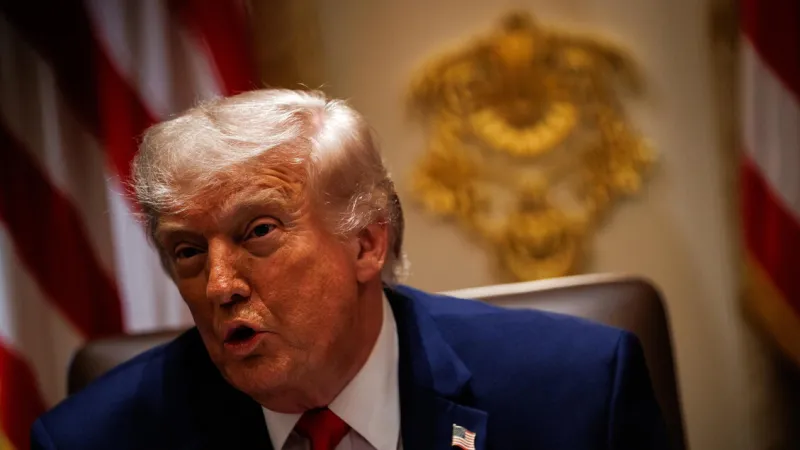
WASHINGTON – President Donald Trump and his senior advisors are reportedly engaged in consultations regarding a potential halt to U.S. diesel exports, a drastic measure aimed at alleviating a domestic fuel crisis and mitigating political vulnerabilities leading up to the upcoming midterm elections, according to a recent report by the Financial Times.
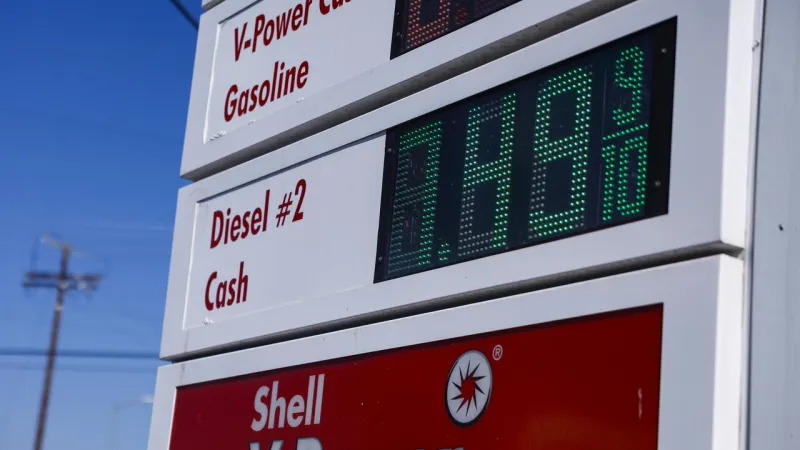
The discussions underscore mounting apprehension within the administration concerning escalating fuel prices and dwindling stockpiles across the nation. A domestic energy crunch, particularly impacting diesel, poses significant economic challenges for industries reliant on transportation and logistics, including agriculture, manufacturing, and freight.
Political strategists are keenly observing the public reaction to surging energy costs, recognizing the potential for widespread discontent to influence voter sentiment in the crucial midterm elections. The administration seeks proactive solutions to stabilize the market and avoid voter backlash often associated with economic hardship.
The Financial Times article, which cited sources familiar with the internal deliberations, detailed the nature of these high-level discussions. It highlighted the severity with which the White House views the current fuel landscape, pushing for a range of options beyond conventional market interventions.
Implementing a ban on diesel exports would represent an extraordinary intervention into global energy markets. The United States is a significant exporter of refined petroleum products, and such a move would undoubtedly send ripple effects across international supply chains, potentially impacting energy prices abroad.
Domestically, proponents of the potential ban argue that it would redirect substantial volumes of diesel back into the American market, theoretically increasing supply and driving down prices at the pump for consumers and businesses alike. This could provide immediate, tangible relief from inflationary pressures.
However, critics contend that such a policy could have unintended consequences, including alienating international allies dependent on U.S. fuel and potentially disrupting the intricate balance of global crude oil refining economics. Refiners might face difficulties selling excess product if export avenues are closed.
While rare, government interventions in energy markets during times of crisis are not unprecedented. However, a complete cessation of a major refined product export would be a move largely reserved for extreme national emergencies, highlighting the perceived urgency of the current situation.
Other strategies being considered alongside the export ban reportedly include releasing additional reserves from the Strategic Petroleum Reserve, encouraging increased domestic refining capacity, and exploring short-term waivers for environmental regulations to boost fuel output.
The potential U.S. move mirrors, in some ways, steps taken in other nations grappling with fuel affordability. For instance, Italy recently extended its diesel discount as Q8 implemented a fuel price cap, demonstrating governmental efforts to ease consumer burdens amidst fluctuating energy costs. This situation highlights how nations globally are confronting fuel crises with varied policy responses.
Energy industry analysts have begun to weigh the pros and cons of such a drastic measure. Many emphasize the need for a comprehensive, long-term energy strategy rather than short-term fixes that could destabilize global markets.
Major U.S. refiners are likely monitoring the discussions closely. An export ban could force them to re-evaluate their operational strategies, potentially leading to oversupply in the domestic market if not managed carefully, impacting profitability and future investment.
International partners, particularly those in Europe and Latin America that rely on U.S. diesel exports, would likely view such a ban with alarm. It could force them to seek alternative, potentially more expensive, sources of supply, exacerbating their own energy security concerns.
While primarily an economic and political issue, any shift in fuel policy could also have tangential environmental implications, though these are not the primary drivers of the current debate. The immediate focus remains on supply and cost.
The coming weeks will likely reveal more about the administration's chosen course of action. Observers anticipate intense lobbying from various industry groups and international stakeholders as the implications of a diesel export ban are fully considered.
President Trump faces a complex balancing act: addressing immediate domestic concerns over fuel costs while navigating the broader economic and geopolitical ramifications of any unilateral action. The pressure to deliver tangible relief before the midterms is palpable.
The mere consideration of a diesel export ban signifies the acute level of concern within the White House regarding the nation's energy outlook and its direct impact on both the economy and the political landscape.
The Financial Times report, known for its strong insights into global finance and policy, provides a critical glimpse into these high-stakes discussions.