 Robert Andrison
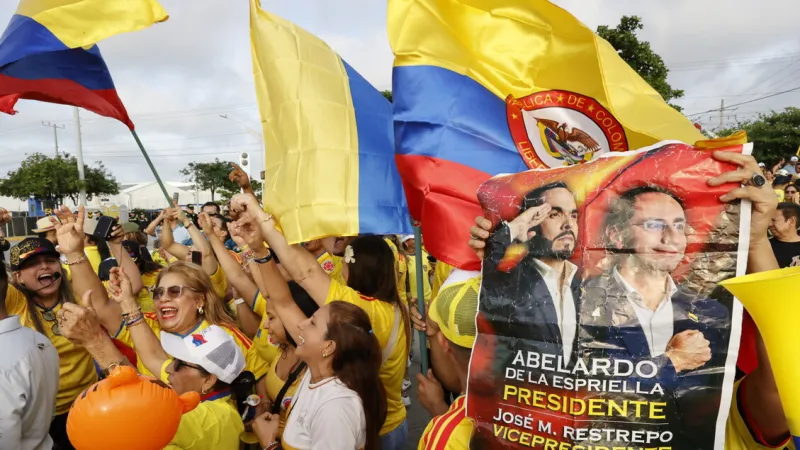
Colombia stands at a critical juncture following a fiercely contested presidential election where unofficial data indicates candidate de la Espriella secured a narrow victory, outpacing his left-wing rival by just one percentage point. The slim margin has immediately triggered demands for a comprehensive recount from the opposition, plunging the nation into electoral uncertainty as the focus now shifts to the judiciary.
The preliminary figures, released shortly after polling stations closed, reveal a deeply divided electorate. This tight race underscores the significant political polarization within the country, highlighting stark ideological differences among the populace.
Opposition leaders quickly decried the unofficial results, citing alleged irregularities and expressing profound skepticism regarding the accuracy of the vote tabulation. Their fervent calls for a complete recount are rooted in a desire to ensure utmost transparency and electoral integrity, arguing that such a minute difference necessitates rigorous verification.
Political analysts suggest that the demand for a recount is not merely a formality but a strategic move to contest the legitimacy of the outcome, potentially delaying the formal recognition of a president-elect and prolonging the period of political tension.
De la Espriella, often seen as a right-wing figure, has previously garnered international attention. He has been publicly identified as a candidate backed by President Donald Trump, a detail highlighted in previous reporting, such as the article "Trump-Backed De La Espriella Claims Colombian Presidency Amid Rightward Shift", which indicated a conservative surge. His campaign focused on themes of economic stability and national security.
The judicial system now faces the formidable task of adjudicating these electoral challenges. The courts must meticulously review the evidence presented by the opposition and determine whether the irregularities warrant a full audit of the ballots or even a repeat of certain voting processes.
Supporters of de la Espriella have expressed confidence in the unofficial results, urging the opposition to accept the democratic outcome. They maintain that the election process was fair and transparent, despite the narrow margin, and that further delays only serve to destabilize the country.
Conversely, the left-wing faction argues that the future of Colombian democracy hinges on a thorough and impartial review of every vote. They contend that any rushed certification of results could erode public trust in the electoral system for years to come.
Historically, Latin American elections have occasionally been marred by controversies surrounding close results, leading to protracted legal battles and, at times, social unrest. The current situation in Colombia echoes some of these past disputes, underscoring the fragility of electoral processes in highly charged political environments.
International observers, while not yet issuing definitive statements on the integrity of the vote, are closely monitoring the developments. Their reports will be crucial in lending credibility to the eventual resolution, regardless of whether a recount proceeds or not.
The constitutional framework for electoral disputes in Colombia is robust, designed to provide clear pathways for resolution. However, the political will and the capacity of institutions to enforce these frameworks impartially will be severely tested in the coming days and weeks.
The potential implications of a recount are far-reaching. It could either solidify de la Espriella's victory, validate the opposition's claims, or, in an extreme scenario, lead to unforeseen outcomes that reshape Colombia's political landscape for the immediate future.
As the nation awaits the judiciary's decision, Colombians across the political spectrum hold their breath, keenly aware that the integrity of this election will profoundly impact their country's stability and democratic trajectory.