 Demian Sahputra
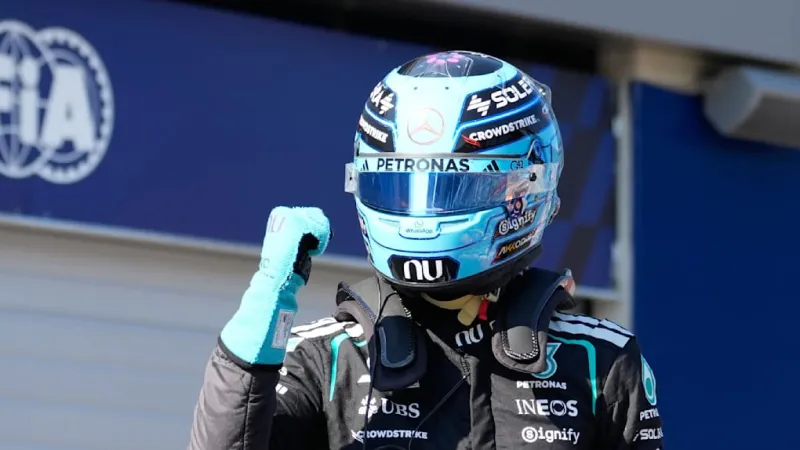
In a searing display of driving prowess, Mercedes pilot George Russell clinched victory at the Formula 1 Austrian Grand Prix in Spielberg, conquering track temperatures exceeding 50 degrees Celsius. The flawless English driver secured his second Grand Prix win of the season, leaving defending champion Max Verstappen of Red Bull to settle for second place in a fiercely contested race.
The conditions at the Red Bull Ring were exceptionally challenging, with the asphalt registering over 50 degrees Celsius, pushing both machinery and drivers to their absolute limits. This extreme heat added an unpredictable element to the high-stakes competition, demanding peak physical endurance and strategic acumen from every team.
Russell’s performance was nothing short of masterful. He maintained composure and precision throughout the arduous event, executing a perfectly managed race that saw him expertly navigate the treacherous conditions without a single discernible error. His consistency proved decisive against a field of world-class competitors.
Max Verstappen, driving a re-energized Red Bull, mounted a formidable challenge. Despite his team’s recent improvements and his own relentless pursuit, the Dutchman could not overcome Russell’s immaculate drive, ultimately finishing a respectable second. The battle between the two young titans showcased the thrilling intensity of modern Formula 1.
This victory marks a significant milestone for George Russell and the Mercedes-AMG Petronas Formula One Team. It underscores their continued resurgence in the championship battle and positions Russell as a serious contender for the drivers crown. The team’s strategic calls and pit stop execution were pivotal in securing this crucial win.
The 2026 Formula 1 season has been characterized by intense rivalry and unexpected twists, with several drivers vying for dominance. Russell’s consistent form and growing confidence make him a formidable presence on the grid, adding further excitement to what promises to be a memorable championship fight.
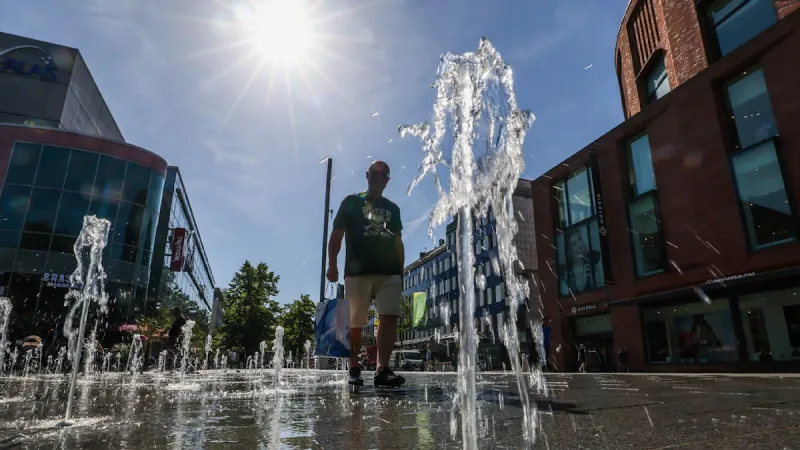
Such extreme weather conditions are becoming an increasingly prevalent factor in global sporting events, requiring athletes and organizers to adapt rapidly. Races like the Austrian Grand Prix highlight the broader concerns about climate and its impact on performance and safety. Reports indicate Europe bracing for peak heatwaves, which have led to events like the Frankfurt Triathlon cutting its course amid extreme heat, a stark reminder of these pervasive challenges.
The Red Bull Ring in Spielberg, nestled in the picturesque Styrian mountains of Austria, is renowned for its fast corners and elevation changes. While traditionally offering a thrilling spectacle, the added burden of blistering temperatures tested the limits of tire degradation and engine cooling, making every lap a precarious balance of speed and preservation.
Fans in attendance, many braving the intense sun, witnessed an unforgettable display of racing. The atmosphere was electric, testament to the enduring appeal of Formula 1. This race will undoubtedly be remembered as one where skill, rather than sheer power, dictated the ultimate outcome.
Russell’s triumph signals a shift in momentum for Mercedes and potentially the championship narrative. As the season progresses, all eyes will be on whether Russell can maintain this exceptional form and continue to challenge the established order at the pinnacle of motorsport.
The engineering prowess behind the Mercedes car, coupled with Russell’s precision, allowed them to optimize performance even as the track surface became a crucible. This synergistic relationship between driver and machine was on full display, providing valuable data for future developments.
Moreover, the strategic choices regarding tire compounds and pit windows were under intense scrutiny. In conditions where thermal degradation was rampant, the ability to manage tires effectively became a race-defining factor, distinguishing the ultimate victor from the rest of the pack.