 Robert Andrison
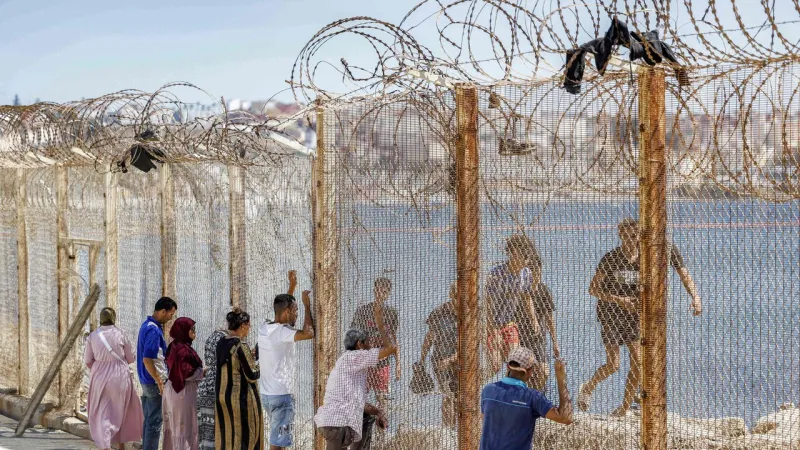
The European Border and Coast Guard Agency, Frontex, announced today a substantial 37 percent reduction in irregular entries into the European Union during the first seven months of 2026, signaling a significant shift in migration patterns despite localized increases in some routes. This overall decline comes as European nations continue to grapple with complex migration challenges.
According to the agency's latest report, the period from January through July 2026 witnessed a marked decrease in individuals attempting to cross EU borders without authorization. This trend provides a crucial snapshot of the evolving dynamics at the bloc's external frontiers, influencing policy debates across member states.
A significant factor contributing to this overall reduction is the dramatic 55 percent decrease observed in the Central Mediterranean route. This corridor, historically a primary pathway for migrants and asylum seekers originating from North Africa and the Middle East, has seen intensified efforts from both EU and national authorities to curb crossings.
Conversely, the Western Mediterranean route experienced a notable surge, registering a 37 percent increase in irregular entries during the same seven-month span. This regional uptick suggests that while some routes are being more effectively managed or deterred, migratory pressures are simply redirecting to alternative, often more perilous, paths.
Frontex clarified that the presented data excludes figures pertaining to Ceuta, a Spanish autonomous city on the North African coast. This omission means the overall picture, while comprehensive for most EU borders, does not fully encapsulate all entry points, particularly those within Spanish territories bordering Morocco.
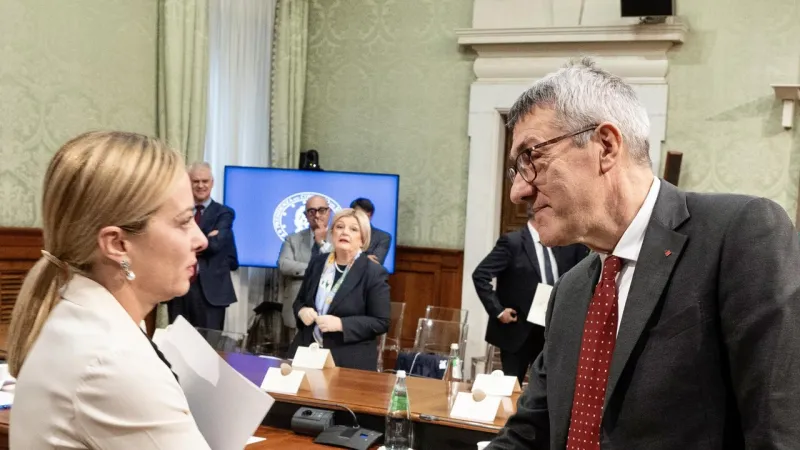
The agency's findings are likely to fuel ongoing discussions among European leaders regarding migration policies, border security, and international cooperation. Leaders like Italy's Prime Minister Giorgia Meloni have consistently called for stronger EU borders amid the migration crisis, a sentiment echoed by several other member states facing direct migratory pressures.
Analysts suggest that improved collaboration with third countries, coupled with enhanced surveillance technologies and patrol capabilities, may be contributing to the decline in specific corridors. The deterrence effect of more robust border management could compel smugglers and migrants to seek less monitored routes.
However, the shift towards the Western Mediterranean also highlights the adaptive nature of human smuggling networks. When one route becomes harder to navigate, alternative pathways quickly emerge, often with increased risks for those undertaking the journeys.
The data underscores the persistent need for a holistic and adaptable approach to managing irregular entries into the EU. While a significant overall drop is reported, the redistribution of migratory flows demands continuous monitoring and strategic adjustments from EU agencies and national governments alike.
Future policy considerations will likely focus on strengthening cooperation with transit countries in North Africa and the Middle East, as well as addressing the root causes of migration, such as conflict, poverty, and political instability. The European Union remains committed to both securing its borders and upholding humanitarian principles.
The agency further emphasized that these figures represent irregular border crossings, not necessarily asylum claims, though many individuals entering irregularly do seek international protection. Distinguishing between these categories is crucial for policymakers formulating comprehensive responses.
Frontex operations involve thousands of officers and sophisticated equipment deployed across the EU's external borders, from the Mediterranean Sea to the Eastern land borders. Their role includes surveillance, intelligence gathering, and supporting national authorities in border management tasks.
The reported trends will be closely scrutinized by national governments as they prepare for further discussions at the European Council. The dynamics of irregular entries EU remain a top agenda item for political leaders across the continent, particularly in light of ongoing geopolitical complexities.