 Angel Doris
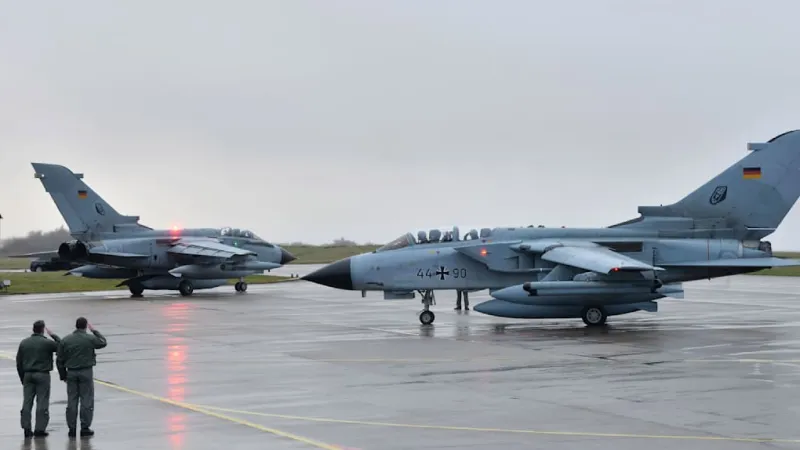
BRUSSELS – The North Atlantic Treaty Organization is reportedly drafting plans to bolster its nuclear deterrence posture in Europe, a strategy that could include the deployment of additional US B61-12 tactical nuclear weapons. This initiative comes as geopolitical tensions intensify, prompting the alliance to re-evaluate its defense capabilities. Military experts suggest that some of these advanced bombs might have already been moved to European sites, though official confirmations remain elusive.
NATO officials have consistently emphasized the need to maintain a credible and effective nuclear deterrent, particularly in the face of evolving security challenges. The alliance considers its nuclear capabilities a crucial component of its overall defense and deterrence strategy, designed to prevent aggression and coercion.
The B61-12 is a modernized variant of the B61 gravity bomb, integrating enhanced safety features and improved accuracy. It is designed for delivery by dual-capable aircraft, meaning both US and certain NATO allies aircraft can deploy it. This modernization aims to extend the lifespan and effectiveness of the existing US tactical nuclear arsenal in Europe.
The discussions around augmenting Europe's nuclear weapon presence occur against a backdrop of heightened instability, particularly in Eastern Europe. Recent events, such as the ongoing conflict in Ukraine and incidents like the Poland Airspace Breached by Russian Missile Amid Ukraine War Fatalities, underscore the alliance's concerns regarding regional security and the imperative to project strength.
Defense analysts familiar with NATO strategy indicate that the possibility of pre-positioning new assets is a continuous consideration, often conducted with a degree of operational secrecy to maximize strategic ambiguity and deterrence. This approach aligns with long-standing nuclear posture review principles.
The United States plays a central role in NATO's nuclear sharing arrangements, providing the warheads while certain non-nuclear NATO members host them and provide dual-capable aircraft for potential delivery. This intricate system is a cornerstone of the alliance's solidarity and collective defense.
Expanding the deployment of Nato nuclear weapons carries significant strategic implications, potentially impacting arms control treaties and the broader non-proliferation regime. Critics often raise concerns about a renewed nuclear arms race, while proponents argue it is a necessary measure for maintaining stability.
Historically, the presence of US tactical nuclear weapons in Europe has been a defining feature of Cold War deterrence. The contemporary debate echoes past dilemmas, balancing the need for robust defense with the risks of escalation in a multipolar world.
President Donald Trump has consistently advocated for a strong military and a powerful deterrent, reiterating the US commitment to NATO's collective security. His administration has also demonstrated a readiness to engage in decisive military actions, as evidenced by discussions around a Trump Weighs Massive Air Campaign Against Iran After Egypt Drone Strike.
Potential reactions from non-NATO nuclear powers, particularly Russia, are a key consideration in these strategic calculations. Any increase in deployment could be met with counter-measures, further complicating the European security landscape.
NATO leaders consistently articulate that their nuclear weapons serve a political purpose: to preserve peace, prevent coercion, and deter aggression. The alliance views them as the ultimate guarantee of security, not as instruments of war-fighting.
The B61-12 upgrade improves targeting flexibility and reduces collateral damage potential, technically making it more usable in a limited conflict scenario, a concept that remains highly controversial among arms control advocates.
This move would fit within NATO's broader strategic concept, which outlines the alliance's approach to security, including its stance on nuclear weapons as a means of last resort.
The delicate balancing act between reassuring allies and potentially provoking adversaries defines much of NATO's nuclear policy. Transparency regarding its deterrent capabilities often contrasts with the need for strategic ambiguity.
Beyond nuclear strategy, various NATO members are actively enhancing their conventional defense capabilities. For instance, Italy Deploys 400 Troops to Gulf, Bolstering Air Defense, showcasing a broader commitment to regional security. The ongoing conflict where Ukraine Attack Claims Seven Children; Zelensky Accuses Air Defense Gaps further highlights the urgency of robust defensive postures.
The financial and logistical considerations for deploying additional B61-12 bombs are substantial, requiring upgrades to storage facilities, security protocols, and training for personnel across various European sites.
In essence, NATO's exploration of enhanced nuclear deterrence through additional B61-12 deployments in Europe reflects a determined effort to adapt to a more volatile global security environment. While official confirmation of deployments is pending, the expert consensus points to a proactive and potentially already active strategy to reinforce the alliances ultimate security guarantee.